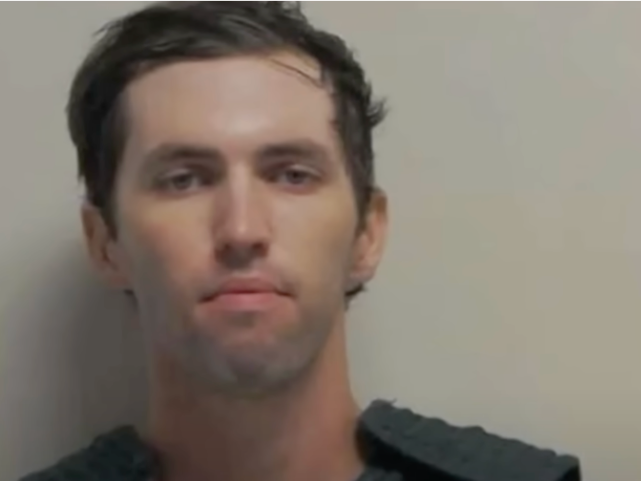

Image Source:YouTube
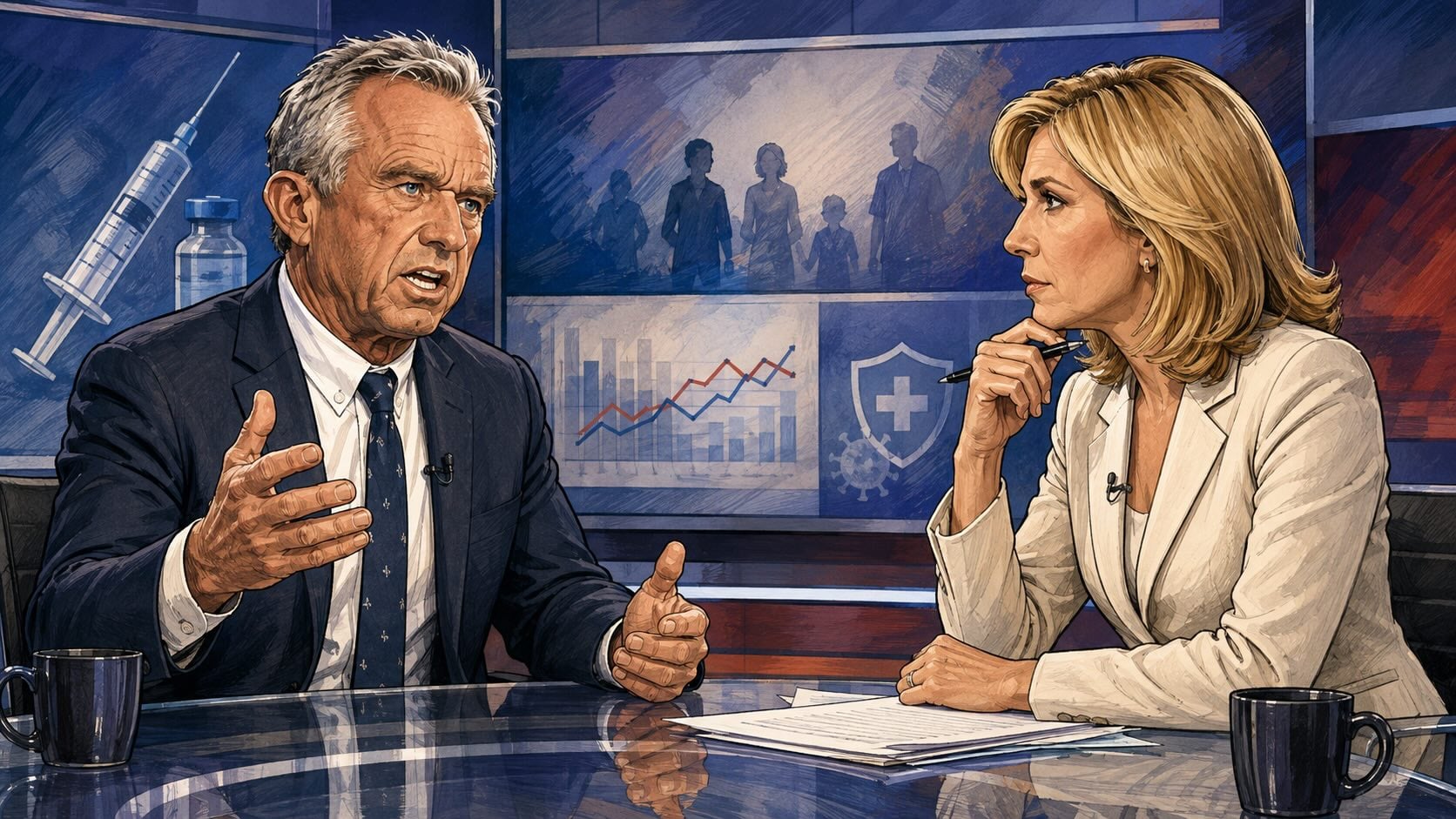
Utah Governor Spencer Cox said the man accused of killing conservative activist Charlie Kirk was influenced by leftist ideology, adding urgency to the national conversation over political violence. Speaking on NBC’s Meet the Press, Cox argued that Americans must confront the dangers of radicalization across the spectrum before more bloodshed occurs. His words turned the spotlight on the beliefs of 22-year-old Tyler Robinson, the suspect now facing charges.
Authorities say Robinson grew up in a conservative household but turned toward progressive politics during his late teens. Relatives told Fox News he became increasingly withdrawn, while others noted his friendship with a transgender roommate who reportedly criticized conservatives and Christians. This environment, combined with Robinson’s personal struggles, is now central to understanding why Kirk was targeted during a campus event in Salt Lake City.
The Attack That Shocked Conservatives
Video from the scene showed Kirk struck in the neck as he answered a question about gun violence. The attack stunned the audience and set off chaos as security rushed him from the stage. Kirk was later pronounced dead at a nearby hospital, a development that triggered immediate anger among conservatives. His supporters view the murder as evidence that public hostility against their movement has reached lethal levels.
Robinson’s alleged embrace of leftist ideology has become a central talking point for both investigators and commentators. Al Jazeera reported that Cox declined to provide details about the suspect’s online activity but emphasized the role of “dark places” on the internet in fueling hate. The Guardian added that while Robinson came from a conservative family, his personal writings and relationships revealed a very different ideological direction. Together, these reports point to an ideological shift that now frames the case.
Rising Concerns Over Political Rhetoric
The political response has been swift and polarizing. Conservatives argue that the climate of hostility toward their leaders, amplified by social media and activist circles, is inspiring violence. Progressives caution against broad blame, warning that individual actions should not be used to indict an entire movement. Cox attempted to strike a middle line, urging recognition of ideological extremism without framing the tragedy as solely a partisan issue.
Public debate has also turned toward how free speech and political expression are handled on college campuses. Kirk, known for fiery exchanges with progressive students, was often a lightning rod during appearances. His critics argue that his confrontational style escalated tensions, while his allies insist that robust debate should never result in targeted violence. The campus setting of the shooting ensures that higher education will remain a key point of argument as the trial unfolds.
Legal Trial and National Consequences
The legal process will determine Robinson’s culpability, but the political weight of the trial is already clear. Prosecutors must establish intent, while defense attorneys may raise questions of mental health and personal instability. For many Americans, though, the broader issue is not only whether Robinson is guilty but what his alleged leftist ideology reveals about the country’s growing polarization.
The murder of Charlie Kirk has become a defining moment in the debate over political violence in America. It illustrates how personal grievances, ideological radicalization, and a toxic political climate can combine with deadly consequences. Whether the courts can deliver justice that calms the culture wars remains uncertain, but the tragedy has already left an indelible mark on national politics.
Do you believe leftist ideology played a decisive role in the murder of Charlie Kirk? Tell us what you think.