
Source: YouTube
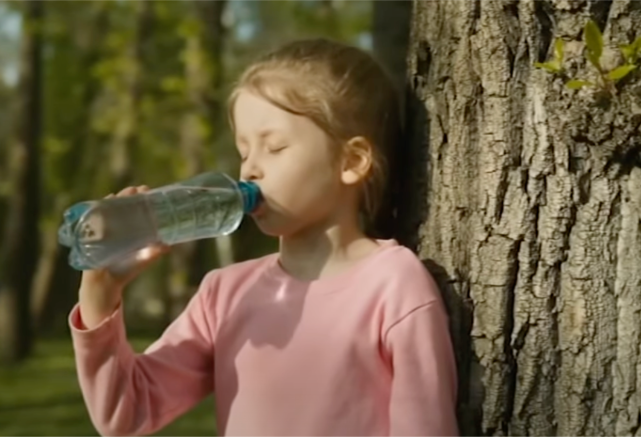
Recently, Health Secretary Robert F. Kennedy Jr. reignited one of America’s longest-running public health debates. On Monday, during a multi-state tour, Kennedy called on states to ban fluoridated water in their public drinking supplies and reverse more than 70 years of federal public health policy. A longtime critic of fluoridation, Kennedy argued the practice no longer makes sense in modern water systems. “It makes no sense to have it in our water supply,” he said at a press event in Utah. Incidentally, the Beehive state is the first state to pass such a ban on adding fluoride to public water systems. Meanwhile, Environmental Protection Agency Administrator Lee Zeldin also announced plans to review recent research on fluoride’s safety, signaling further federal movement.
The Case Against Fluoridated Water Gains Momentum
House Speaker Mike Johnson also added weight to the issue on Tuesday, stating that fluoride in public water “deserves real evaluation.” He cited concern over the chemical’s potential impact on children’s health, saying, “There’s a concern that it may be having a negative effect.” Kennedy and his supporters argue that excessive fluoride exposure poses real health risks. Recent studies have found links between high fluoride levels (above 1.5 milligrams per liter) and reduced IQ scores in children. These levels are more than double the CDC’s current recommendation of 0.7 milligrams per liter, but supporters of the ban insist that any exposure should be reconsidered.
Kennedy, a former environmental lawyer, has called fluoride a “neurotoxin” and has associated it with conditions such as thyroid disease and brittle bones. A 2023 report from the National Toxicology Program expressed moderate confidence in a link between fluoride and developmental harm. However, the data used in the study primarily came from international studies where fluoride levels were significantly higher than those used in U.S. systems.
Many supporters of the ban against fluoridated water also take issue with the idea of mass medication. Unlike prescription drugs, fluoride is distributed publicly without the need for individual consent or dosage control. Kennedy’s team argues that Americans already receive fluoride through toothpaste, food, and beverages. As such, further fluoridation from tap water is unnecessary and potentially harmful. They argue that the ban emphasizes individual rights and caution that scientific uncertainty should favor public restraint, not automatic continuation.
Experts Push Back, Calling Fluoridated Water a Public Health Success
However, many public health organizations strongly oppose Kennedy’s proposal. The American Dental Association and the CDC have long classified water fluoridation as one of the greatest health achievements of the 20th century. By fortifying tooth enamel, fluoride prevents decay and reduces dental treatment costs. The ADA says fluoridated water lowers cavity rates by at least 25 percent in American children and adults. According to a 2022 CDC analysis, fluoride is added to around 60% of the U.S. population’s drinking water systems.
Critics of the ban argue that most scientific evidence supports fluoride’s safety at current levels. They also stress that the risks flagged by recent studies only emerge at much higher concentrations. In the U.S., nearly two-thirds of the population drinks fluoridated water, and rates of dental disease have dropped dramatically since the practice began. Fluoridated water is a rare example of a low-cost, high-impact public intervention. In places like Erie, Pennsylvania, annual costs of adding fluoride to drinking water remain below $50,000 for systems serving hundreds of thousands. Many utility services roll the cost into normal water rates.
Opponents of Kennedy’s plan also warn that politicizing a long-standing medical standard could lead to broader public distrust in proven health measures. They question whether the CDC should reverse a public health recommendation without a clear and independent scientific consensus.
Is This the Beginning of a National Reversal for Fluoridated Water?
Some states, particularly those with large rural areas and budget constraints, are already pulling back. According to AP data, over 700 local water systems have ended fluoridation in the past six years. In many cases, the reasons were financial or related to supply chain disruptions. But now, policy leaders are considering whether the science itself warrants a national reset.
The stakes go beyond cavities. This debate touches on medical ethics, local control, and the federal government’s role in shaping daily health decisions. Whether or not Kennedy succeeds in reshaping CDC guidance, states are now facing a fundamental question: Should fluoridated water continue, or is it time to turn off the tap?
Do you agree with a federal ban on fluoridated water? Tell us what you think!
Survey: