
Source: YouTube
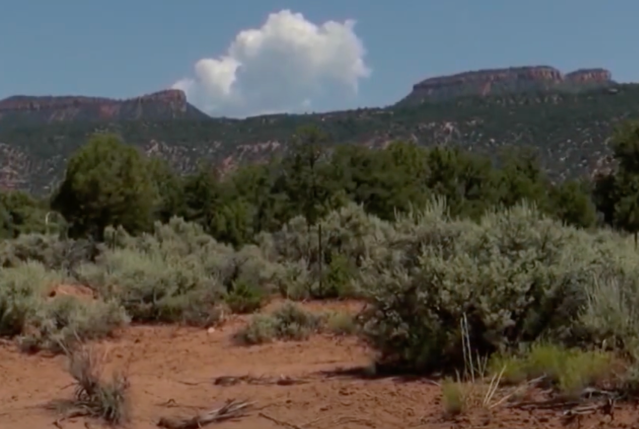
A sweeping budget proposal from House Republicans includes the controversial sale of public lands in Nevada and Utah, aiming to offset revenue losses from President Donald Trump’s tax cut plan. The move would authorize the sale of over 11,000 acres of federal land and comes as part of a broader effort to generate $18 billion through fossil fuel leases, timber sales, and resource development on public land.
The provision was introduced late at night and approved shortly after midnight by the House Natural Resources Committee. Lawmakers from Utah and Nevada, led by Reps. Celeste Maloy and Mark Amodei, inserted the land sale provision into a 33-page amendment that bypassed typical scrutiny. Although proponents say the parcels represent a small portion of federal holdings and are intended to support local economic development and housing needs, critics argue the sale sets a dangerous precedent.
Behind the Amendment: Local Justifications and Broader Goals
Supporters frame the land sales as practical, targeted solutions for fast-growing areas. According to Maloy, Utah’s public land holdings limit transportation and housing efforts in districts like hers, which surround tourist hubs such as St. George. She claims the sale affects less than a third of a percent of federal land in the state.
The Republican majority on the committee echoed her sentiment, stating the measure reflects local interests and will bring in valuable federal revenue. They insist it is a strategic, not ideological, move to reduce federal control in areas where states and municipalities have long sought greater say.
However, the amendment to sell public lands does not exist in isolation. It is part of a larger budget package that includes sharp increases in oil, gas, and coal leasing while reducing royalty rates for extractive industries. Combined with massive tax cuts, these measures could weaken regulatory oversight and conservation protections across millions of acres of public lands.
Opposition Mounts from Within and Outside the GOP and Congress
Democrats and environmental groups were swift to condemn the proposal. Rep. Dave Min of California criticized the process, noting that the amendment was introduced after 11 p.m. without prior distribution. Environmental advocates, including the Wilderness Society and the Sierra Club, accused the committee of orchestrating a stealth effort to privatize America’s natural heritage.
Former Bureau of Land Management officials and public land defenders also voiced alarm. They warned that these limited sales are part of a broader strategy to reduce federal stewardship in favor of energy development and private interests.
Montana Republican Rep. Ryan Zinke, a former Interior Secretary under Trump, broke ranks with his party. Zinke has drawn a hard line against public land sales, calling them a permanent loss for future generations. He and Democrat Gabe Vasquez of New Mexico recently formed a bipartisan caucus to oppose similar efforts.
Public Lands at a Political Crossroads
Though the affected parcels are geographically small, the political implications are outsized. The amendment may still be struck from the final version of the bill if Republican leadership cannot secure enough votes to pass it in the House.
The controversy reflects long-running tensions over federal land ownership in the western United States, where economic development often competes with conservation goals. Republicans backing the amendment say the federal government should release underused land to meet housing demands and fund fiscal priorities. Critics counter that public lands belong to all Americans and should not be auctioned to pay for tax cuts benefiting the wealthy.
Oil, gas, and coal royalty rates would fall to levels not seen since before the Biden administration. The proposed changes include slashing the onshore royalty rate from 16.7 percent to 12.5 percent and reducing coal royalties even further. These adjustments are projected to cost taxpayers billions over the next decade, assuming demand for leases remains strong, which is uncertain in a market shifting toward renewables.
As the legislation heads for a full House vote, the question becomes whether Americans support trading federal lands for fiscal space. With bipartisan resistance forming and public scrutiny rising, the debate is far from settled. For now, a piece of America’s shared landscape may be sold to balance a tax equation.
Do you support selling public lands to help pay for the government’s tax cuts? Tell us what you think!
Survey