
Source: YouTube
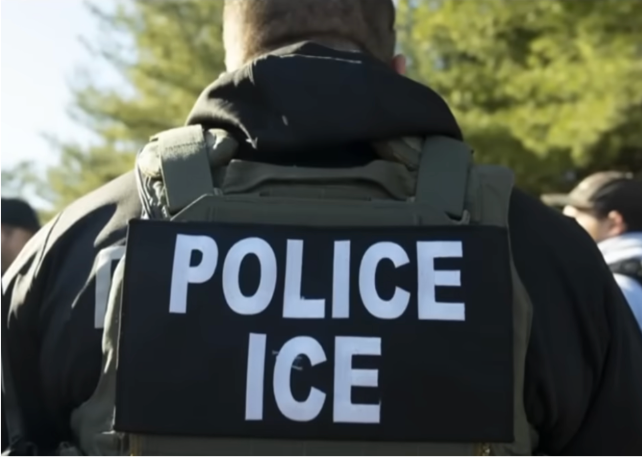
The Trump administration is revoking temporary protected status for about 76,000 Honduran and Nicaraguan migrants, reversing protections that have been in place for decades. Homeland Security Secretary Kristi Noem announced the decision Monday, citing improved conditions in both countries. The move is part of a broader effort to scale back immigration protections and narrow eligibility for legal status in the U.S. Temporary protected status, or TPS, allows nationals from designated countries to remain in the U.S. if returning home would pose a risk due to war, natural disasters, or extraordinary conditions. Those with TPS can legally work in the U.S. while the designation remains active. Honduras and Nicaragua first received TPS in 1999 following Hurricane Mitch, a devastating storm that killed over 10,000 people and caused widespread destruction in Central America.
Revocation of Temporary Protected Status Reflects a Broader Strategy
DHS said the protections for Hondurans and Nicaraguans will end on September 6. Secretary Noem’s review cited growth in tourism, foreign investment, and infrastructure recovery as justification. In a statement, she said TPS was always intended to be temporary and that “conditions on the ground no longer prevent safe return.”
Ongoing Legal and Political Battles
Litigation continues to challenge the administration’s actions. A federal judge in New York recently blocked the termination of TPS for Haitian nationals, arguing the decision violated federal procedures. Meanwhile, the administration remains emboldened by the Supreme Court’s green light on other terminations.
Critics argue that the justification for ending TPS in some cases ignores present‑day threats. The State Department continues to warn U.S. citizens about traveling to Honduras and Nicaragua. Honduras remains under a partial state of emergency due to crime, and Nicaragua is facing international scrutiny over authoritarian rule and political repression. Both nations struggle with fragile healthcare systems and limited job opportunities.
Migrant advocates say ending TPS will create immediate hardship. Many Honduran and Nicaraguan recipients have lived in the U.S. for decades, built families, and contributed to local economies. Business owners and community groups have voiced concern over the loss of legal workers in sectors such as construction, agriculture, and domestic services.
DHS Pushes Voluntary Departure Incentives
To ease the transition, DHS is offering incentives for voluntary return. Migrants who choose to self‑deport through the CBP One app can receive a free plane ticket, a $1,000 exit bonus, and potential eligibility for future legal entry. Homeland Security officials say this approach restores integrity to the immigration system and ensures that TPS aligns with its statutory purpose.
Administration officials also emphasized their belief that Honduras and Nicaragua are ready to repatriate citizens safely. According to a DHS spokesperson, environmental and political conditions in both countries no longer justify extended protection. The spokesperson also referenced cooperation from foreign governments, particularly Honduras, in supporting U.S. border and enforcement priorities.
What Comes Next for Temporary Protection Status Holders
Many recipients face difficult choices in the coming weeks. Some may attempt to adjust their status through marriage, employer sponsorship, or asylum claims. Others may join pending lawsuits challenging the administration’s actions or seek other forms of relief. For most, however, options are limited. Immigration analysts expect further court battles as TPS holders from other countries face upcoming expirations. The administration has not ruled out additional terminations, and immigration policy remains a central theme of the 2025 presidential campaign.
With the end of temporary protected status now scheduled for September, migrant communities, employers, and state governments are preparing for the consequences. Whether the courts will intervene again remains uncertain, but the administration’s intent is clear: to reduce the scope and scale of TPS, one country at a time.
Should the U.S. government continue limiting TPS designations, even when countries remain politically unstable? Tell us what you think.
Survey