
Source: YouTube
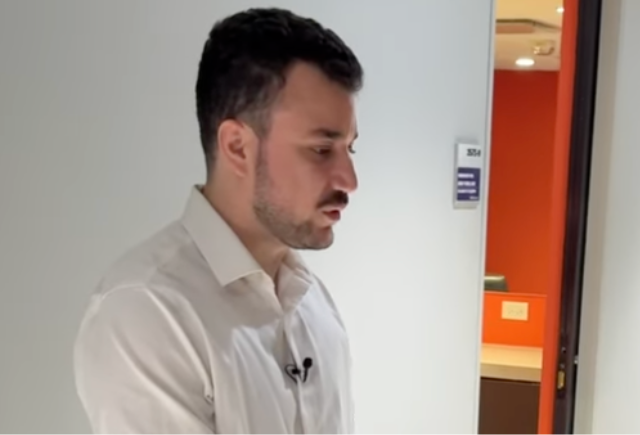
Weeks after being released from immigration detention, Palestinian-American activist Mahmoud Khalil is suing the Trump administration for $20 million. His legal claim, filed under the Federal Tort Claims Act, targets the Department of Homeland Security, Immigration and Customs Enforcement, and the State Department. Khalil accuses these agencies of false imprisonment, malicious prosecution, and defamation following his March arrest and over three months of detention. According to Khalil’s complaint, he was wrongfully branded an antisemite and portrayed as a threat to U.S. security for his public role in pro-Palestinian protests at Columbia University. He claims that the government targeted him for his speech and political beliefs rather than for any credible evidence of wrongdoing. His legal team argues that he was detained under false pretenses and subjected to public vilification aimed at undermining his credibility as an advocate.
Mahmoud Kahlil: From Campus Advocate to Federal Detainee
A graduate student and legal U.S. resident, Mahmoud Khalil served as a liaison between Columbia University officials and students who organized protests in solidarity with Palestinians after the Israel-Hamas conflict reignited in 2023. His involvement in the protests drew attention from federal authorities. In March, ICE agents arrested him in New York and transferred him to a Louisiana detention facility. The Trump administration argued that his continued presence in the country undermined U.S. foreign policy.
Administration Pushback and Public Fallout
The Department of Homeland Security dismissed Khalil’s claim as meritless. A spokesperson accused him of “hateful behavior and rhetoric,” stating that Jewish students felt threatened by his actions. The State Department maintained that all actions taken were lawful and justified under national security protocols. Trump officials, including Rubio, continued to defend the government’s discretion in revoking visas for foreign nationals who appear to support hostile entities, even indirectly.
Political Risk and Public Debate
The case has exposed deep divisions over how national security laws intersect with First Amendment protections. For supporters of the Trump administration, Khalil’s deportation was justified under policies aimed at limiting foreign support for hostile groups. For his advocates, the case represents an overreach that weaponizes immigration law against free speech.
The lawsuit arrives as immigration and foreign policy continue to dominate the national conversation. While the outcome of Khalil’s $20 million claim remains uncertain, the underlying question of whether federal power was misused is now before the courts. His case is still active in immigration proceedings, with a pending injunction filed to prevent any future detention or deportation.
Khalil maintains that this case is about more than money or politics. “This isn’t just about me,” he said. “It’s about showing that retaliation for political speech is not acceptable in a democratic society.”
Do you think Mahmoud Khalil’s $20 million lawsuit will succeed? Tell us what you think.
Survey