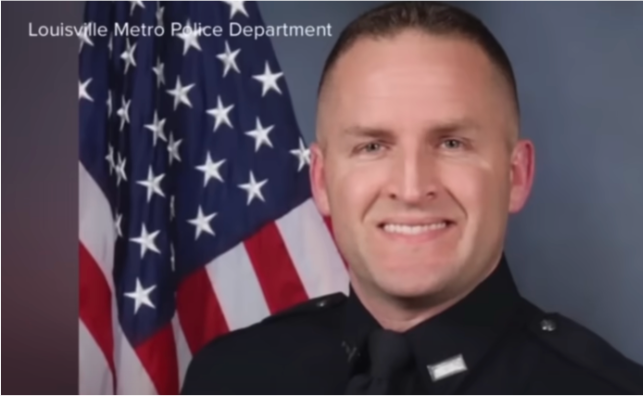

Source: YouTube
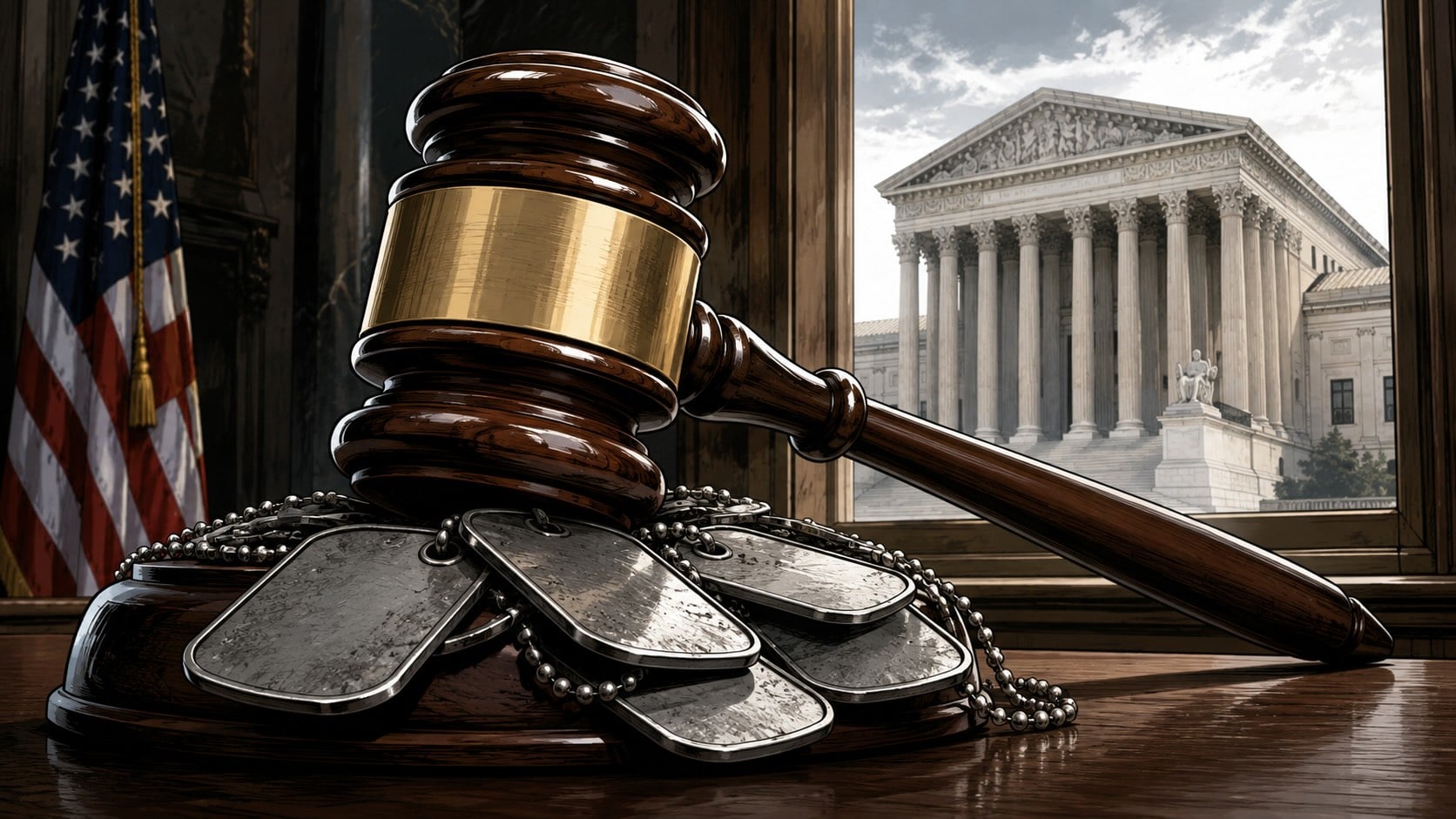
Brett Hankison, the only officer convicted for his role in the fatal police raid that killed Breanna Taylor, has been sentenced to 33 months in prison. The ruling follows a federal jury’s 2024 verdict that found Hankison guilty of violating Taylor’s civil rights by using excessive force. His conviction stems from firing blindly into her apartment during a botched drug raid in March 2020. Although his bullets did not strike anyone, some entered a neighboring unit occupied by a child, a man, and a pregnant woman.
The charge carried a maximum sentence of life in prison. But the Trump administration’s Justice Department, now back in power, recommended just one day in jail. Critics argue this signals a broader retreat from the police‑oversight efforts pursued under President Biden. Hankison will serve nearly three years behind bars, followed by three years of supervised release.
Why Breanna Taylor Became a National Symbol
Breonna Taylor was a 26‑year‑old emergency medical technician living in Louisville, Kentucky. On March 13, 2020, officers used a no‑knock warrant to enter her apartment in a narcotics investigation linked to a former boyfriend. Taylor and her current partner, Kenneth Walker, were asleep. Walker fired a single shot, believing intruders had broken in. Police returned fire with 32 bullets, some of which struck Taylor and killed her.
Alongside George Floyd, Breonna Taylor’s name became a rallying cry for Black Lives Matter protests during the summer of 2020. The raid exposed flaws in no‑knock warrants and led to calls for police reform. Eventually, Louisville banned the tactic altogether.
Trump DOJ Reverses Course on Police Accountability
The latest sentence has drawn sharp responses, not just for its duration but for how the Justice Department handled it. Despite prosecuting Hankison under the Biden administration, the Trump‑led DOJ urged the court to impose a token sentence, arguing he did not directly kill Taylor and had already suffered reputational harm.
The memo requesting a one‑day sentence was signed by Trump’s Civil Rights Division appointee, Harmeet Dhillon, and her deputy—not by the original prosecutorial team. That move was criticized by Taylor’s family and civil rights attorneys as an abandonment of accountability.
Attorney Ben Crump, speaking for the Taylor family, said the DOJ seemed more focused on defending Hankison than representing Taylor. Her mother, Tamika Palmer, called the recommendation “a betrayal.”
Brett Hankison: Bad Shots Fired
Hankison, a former Louisville Metro Police detective, was previously tried at the state level and acquitted. His federal conviction centered on firing 10 bullets through Taylor’s covered windows and sliding door after gunfire had subsided. Prosecutors argued he broke the fundamental rule of deadly force: never shoot at someone you cannot see. The jury agreed. The only other conviction so far is that of ex‑officer Kelly Goodlett, who pleaded guilty to falsifying the affidavit used to obtain the warrant. Two other officers face separate federal charges.
Since returning to office, the Trump administration has moved to cancel police reform agreements begun under Biden, including consent decrees in Louisville and Minneapolis. Civil rights advocates say this weakens federal oversight and allows departments to avoid systemic change.
About 70% of DOJ Civil Rights Division attorneys have reportedly resigned since Trump’s return. Critics view the Hankison sentencing recommendation as further evidence of a shift away from prosecuting police misconduct.
What’s Next for Accountability?
Hankison’s conviction may stand as the only federal sentencing connected to Taylor’s death. Two more officers still await trial. Taylor’s attorneys insist that justice is far from complete.
Despite Monday’s ruling, the court battle over Breonna Taylor’s death continues to expose deep divides in America’s criminal justice system—between administrations, communities, and ideas of fairness.
Did Brett Hankison deserve 33 months in jail for his role in the Breonna Taylor case? Tell us what you think.