
Image source: YouTube
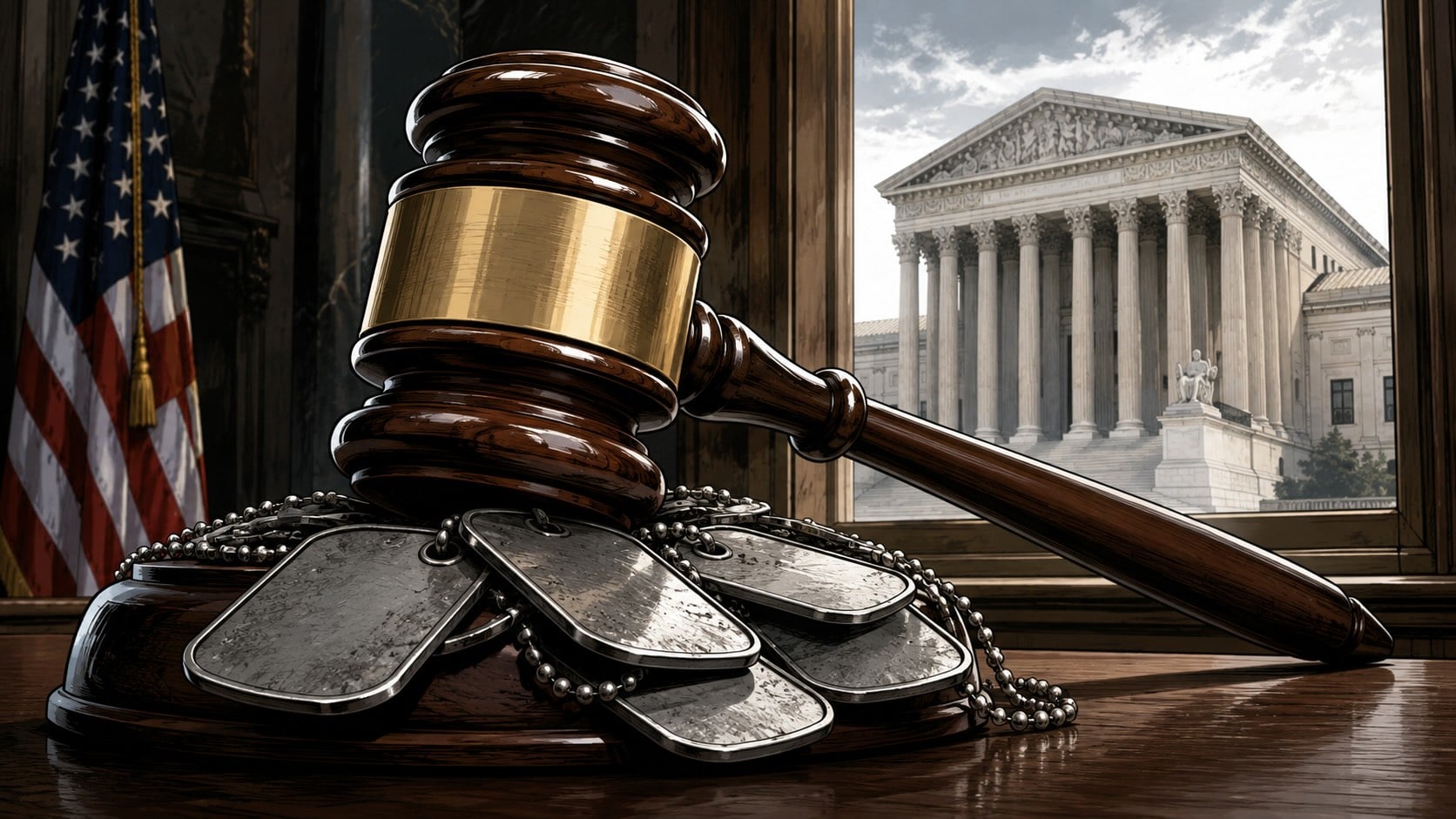
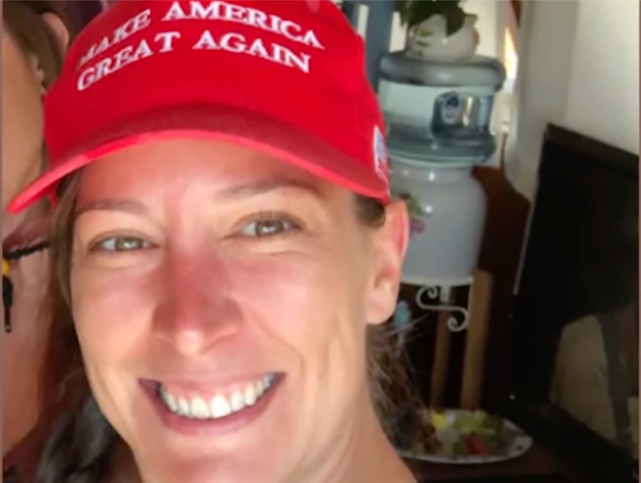
Yesterday, the United States Air Force announced that Ashli Babbitt, the 35-year-old veteran killed during the January 6 Capitol riot, will receive full military funeral honors. The move reverses earlier refusals issued under President Biden’s military leadership and has ignited a fresh debate about how Babbitt’s service and actions should be remembered. Babbitt, a California native and Air Force veteran, was fatally shot by a Capitol Police officer while attempting to enter the Speaker’s Lobby as rioters broke through barricades.
Reversal of a Previous Denial
The decision marks a major shift after years of appeals from Babbitt’s family and supporters who argued that her service should not be disregarded. Military funeral honors include an honor guard, the presentation of a folded flag, and the sounding of “Taps.” According to the Air Force, eligibility for honors rests on an individual’s record of service and is not influenced by events that occur after leaving the military. Based on that policy, officials concluded that Babbitt was entitled to recognition.
Supporters describe the reversal as long overdue. They emphasize her years of uniformed service and view the recognition as a step toward respecting veterans regardless of politics. Critics strongly disagree, contending that honoring Babbitt risks elevating her actions on January 6. The divide underscores how the decision, while rooted in military policy, will inevitably carry political consequences.
How Ashli Babbitt’s Story Became a National Flashpoint
Ashli Babbitt’s death quickly became one of the most debated outcomes of the Capitol attack. Video footage showing her attempting to climb through a shattered window moments before she was shot turned her into a symbol for both sides of the political spectrum. To some Americans, she represented government overreach and an abuse of lethal force. To others, she was a participant in an event that threatened lawmakers and democratic processes.
Her supporters have argued that she was an unarmed veteran who deserved better treatment. Opponents counter that her decision to force entry into a restricted area justified the response by the officer on duty. These clashing perspectives have fueled years of argument and continue to shape how Babbitt is remembered today.
The Air Force’s Position: No Politics Involved in the Decision
The Air Force stressed that its decision does not reflect a political view of January 6. Officials stated that funeral honors are granted strictly according to prior service records. By that measure, Babbitt’s decade in the Air Force secured her eligibility. Still, because of the national attention attached to her case, the military’s adherence to procedure now intersects with public opinion and partisan narratives.
This decision also highlights the difficulty of separating a veteran’s service history from the events that define their public reputation. While the Air Force insists it followed established policy, Americans will interpret the outcome through their own political lens. That ensures Babbitt’s funeral honors will remain more than a technical application of rules.
Reactions From Across the Spectrum
Public response to the announcement reflects the country’s deep divisions. Supporters say the decision corrects an injustice and restores dignity to her family. They view it as recognition of service that should never have been denied in the first place. However, opponents warn that granting honors risks normalizing the actions of those who joined the January 6 attack. In their view, honoring Babbitt sends the wrong message about accountability.
Either way, Ashli Babbitt’s story now symbolizes unresolved tensions about how the nation interprets January 6. Some Americans focus on her veteran identity and see the honors as proof that military service stands above politics. Others focus on the violence at the Capitol and argue that honoring her disrespects those who defended lawmakers that day. Both perspectives illustrate why her name continues to stir national debate.
Ashli Babbitt’s legacy sits at the intersection of service, tragedy, and political division. The Air Force’s decision to grant funeral honors ensures her story will remain a point of contention in how the country remembers January 6 and the people who took part in it.
What do you think about the Air Force granting Ashli Babbitt full military funeral honors? Tell us what you think.