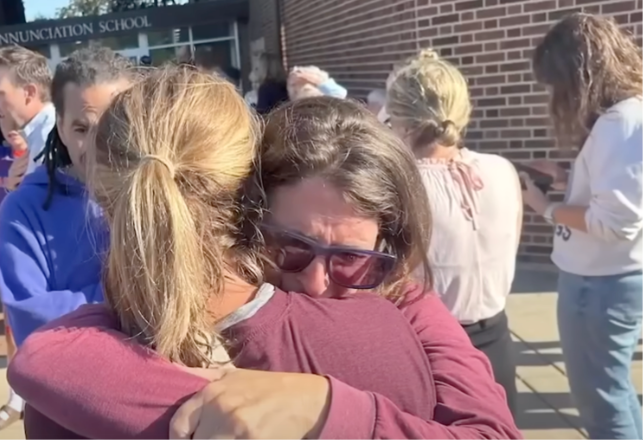

Image Source: YouTube
Senior Justice Department officials are considering a transgender firearm ban after last week’s shooting at a Minneapolis Catholic church. The proposals remain in the discussion stage but represent a significant shift in how federal authorities may approach gun ownership. Officials confirmed the talks began in response to the deadly attack, which renewed debate over public safety, civil rights, and constitutional protections.
DOJ Examines Firearm Restrictions After Minneapolis Attack
The Minneapolis church shooting left multiple parishioners dead and others injured when a transgender gunman opened fire during services. Justice Department leaders acknowledged the attack triggered a new review of firearm access laws. Current federal statutes restrict gun ownership for convicted felons, domestic abusers, undocumented immigrants, and individuals deemed mentally unfit by a court.
Adding transgender identity to that list would represent the first attempt to limit firearm rights based solely on gender identity. Officials admitted such a step would be unprecedented, carrying both legal and political risks. No draft rule has circulated, but internal conversations continue at the highest levels of the department.
Proposed Ban Targets Transgender Gun Ownership, Civil Rights Groups and Lawmakers Push Back
Under the proposals, transgender individuals would face the same type of restrictions already imposed on felons or those ruled mentally incompetent. Supporters inside the department argue that the Minneapolis shooting highlighted potential risks that current statutes fail to address. They claim a transgender firearm ban could strengthen public safety by narrowing access to high-risk groups. However, critics counter that the idea conflates identity with behavior, arguing there is no evidence linking gender identity to higher levels of violence. They warn that basing restrictions on identity markers rather than actions would undermine constitutional principles and deepen societal divisions.
Civil liberties organizations quickly condemned the reports, calling the transgender firearm ban discriminatory and unconstitutional. The American Civil Liberties Union and LGBTQ advocacy groups pledged immediate legal challenges if the Justice Department attempts to move forward. Gun rights groups also criticized the idea, though for different reasons. They argue that firearm policy should be tied to conduct, not identity. Several Republican lawmakers said carving out an identity-based ban opens the door to broader government overreach, threatening the Second Amendment rights of all citizens.
Legal Hurdles in an Expanding Second Amendment Era
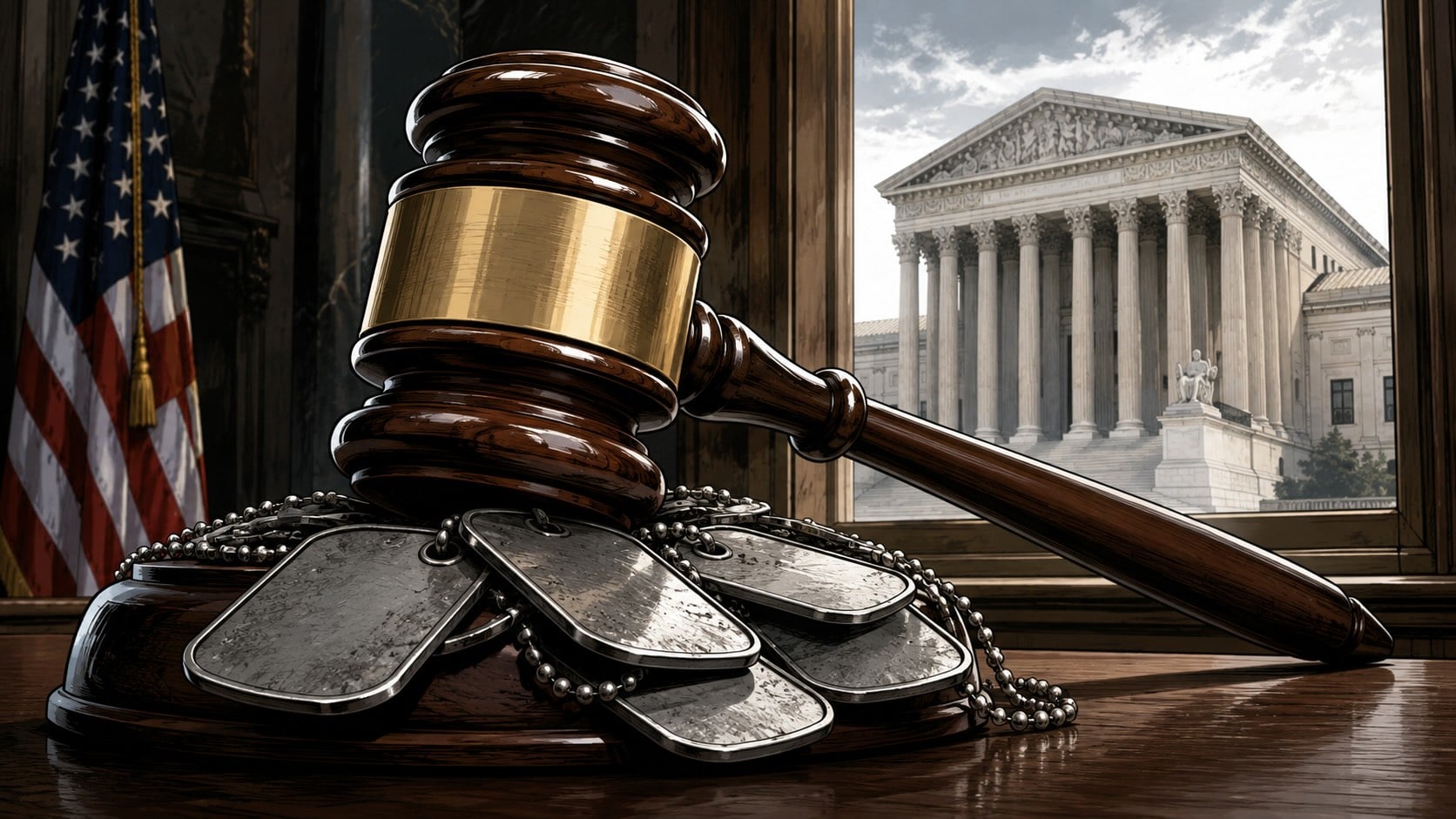
Legal experts believe the transgender firearm ban would face steep challenges in federal court. The Supreme Court has expanded protections for gun owners in recent rulings, striking down state-level restrictions viewed as too broad. An identity-based ban, they argue, would likely be overturned quickly.
Scholars also note the symbolic stakes. Introducing an identity restriction would be a sharp departure from decades of precedent focused on criminal conduct and mental health. Even if blocked by the courts, the proposal could reshape political debate over how far the executive branch can go without new legislation.
Public Reactions on Proposed Transgender Firearm Ban Reflect Sharp National Divide
The leaked discussions have already drawn strong public reactions. Some Americans view the proposed transgender firearm ban as a justified response to the Minneapolis tragedy, believing extraordinary measures are necessary to prevent future violence. Others see it as an attack on transgender rights that ignores broader solutions like mental health screenings, expanded background checks, and community-based interventions.
The White House has not commented publicly on the internal Justice Department debate. Officials emphasized that no decision has been finalized, but the leak guarantees the transgender firearm ban will remain a flashpoint in the ongoing fight over guns, rights, and security.
Should the Justice Department pursue a transgender firearm ban after the Minneapolis church shooting, or would that policy violate fundamental rights? Tell us what you think.