
Image Source: YouTube
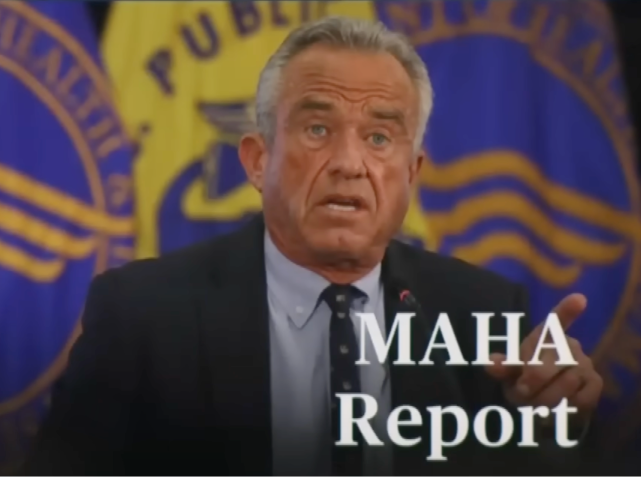
The Make America Healthy Again child health report released Tuesday spotlighted competing visions within the movement and left supporters divided. The 20-page plan, prepared by a presidential commission chaired by Health and Human Services Secretary Robert F. Kennedy Jr., aimed to outline a national strategy to reduce chronic disease among children. Yet its cautious handling of food safety and chemical regulation frustrated supporters who expected stronger pesticide restrictions as proof of the administration’s commitment.
The commission emphasized prevention, nutrition, and expanded pediatric access as the foundation of its recommendations. Proposals included more school-based screenings, expanded community nutrition programs, and new federal research into environmental contributors to childhood illness. These measures were presented as politically achievable first steps that could reduce disparities while gaining bipartisan backing. However, the absence of direct pesticide limits quickly overshadowed the rollout and highlighted the tension between grassroots demands and institutional caution.
Targeting Diet, Additives, and Fluoride While Skipping Gun Violence
The child health report went beyond prevention programs to single out food standards, additives, and chemicals as central risks. It criticized the availability of ultra-processed foods and artificial dyes, echoing Kennedy’s earlier pledge to phase out certain dyes announced in April. The commission also called for revamped federal dietary guidelines, new oversight of advisory committees, and increased testing for heavy metals like lead in infant formula. It promised initiatives to boost breastfeeding rates nationwide while renewing Kennedy’s campaign against fluoride in drinking water. That pledge reignited debate with public health experts, who continue to credit fluoride as a milestone in cavity prevention.
The report introduced a plan for the National Institutes of Health to create a Real World Data Platform linking health records, insurance claims, and multiple datasets. Supporters argue this could strengthen pediatric research, while critics warn it may jeopardize patient privacy. Yet the report left out one of the most pressing child health issues: firearms. Gun violence remains the leading cause of death among American children and teens. Kennedy acknowledged the omission when pressed, saying research was underway but noting that “this is not happening in other countries.”
Grassroots Advocates and Agribusiness Clash Over Chemicals
Supporters who had rallied to Kennedy’s campaign message argued that chemical exposure represents a fundamental driver of chronic illness in children. For them, failure to address pesticides directly represented a broken promise. They warned that leaving the issue to “further study” repeats decades of delay and signals a retreat from bold action. This reaction revealed just how central the expectation of pesticide reform has become to MAHA’s credibility with its core base.
Agribusiness groups responded differently, welcoming the report’s restrained framing. Their leaders praised the commission for focusing on nutrition and preventive care instead of targeting pesticides. They argued that stability in food production requires avoiding disruptive restrictions. For these stakeholders, Kennedy’s tone signaled that compromise remained possible, even as activists demanded a stronger stance. The competing reactions underscored the fragile balance Kennedy is trying to maintain between grassroots momentum and industry cooperation.
Movement Faces Test of Unity and Direction
The rollout placed Kennedy at the center of a test that could shape the future of the Make America Healthy Again campaign. As health secretary, he must translate movement energy into policy while working within Washington’s constraints. By describing the plan as a “starting point,” Kennedy left open the door to stronger reforms in the future. Yet critics heard hesitation, worrying that flexibility risks weakening public confidence in the initiative’s resolve.
The clash over the child health report has now become a measure of the movement’s durability. One faction urges gradual reforms that can build consensus without alienating industry allies. Another insists that only decisive action against pesticides will fulfill MAHA’s promise to families. Whether Kennedy can reconcile these positions will determine if the campaign builds momentum for lasting change or loses credibility under the weight of compromise.
What should the Make America Healthy Again movement prioritize? Tell us what you think.