
Image Source: YouTube
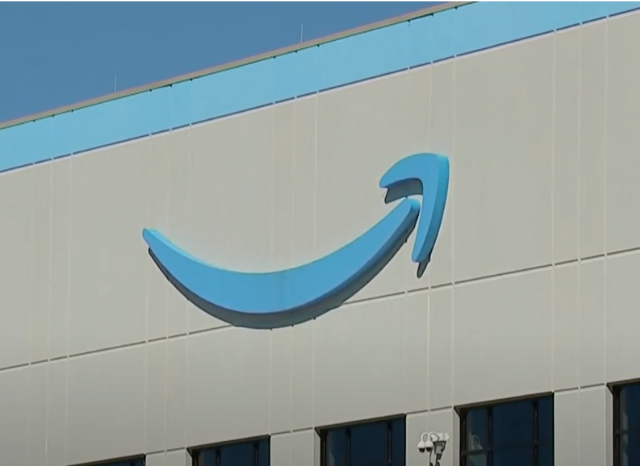
Amazon is defending its Prime subscription program in a Seattle federal courtroom against allegations from the Federal Trade Commission. The case focuses on whether Amazon misled consumers into enrolling in Prime and made it intentionally difficult to cancel. At stake is the reputation of one of Amazon’s most profitable services and the broader question of how far companies can go in shaping online consumer behavior.
Prime is a cornerstone of Amazon’s business model, generating billions through monthly and annual fees while driving customer loyalty. The FTC claims the company designed sign-up flows that nudged customers into joining without clear consent. The agency also argues that Amazon constructed cancellation processes so confusing that many consumers abandoned their attempts. The commission characterizes these tactics as unfair practices that violated consumer protection laws.
FTC Targets Amazon’s Business Practices
The lawsuit challenges how the Prime subscription is presented, framing the issue as a matter of deception. According to court filings, the FTC points to “dark patterns” in Amazon’s website and app that guided shoppers toward Prime during checkout. Regulators claim these design choices blurred the line between optional service and required step, leaving users unclear about what they were agreeing to purchase.
Amazon disputes this narrative, insisting customers always knew they were enrolling. The company says Prime subscribers benefit from fast shipping, exclusive deals, and streaming services that millions voluntarily renew each year. Amazon attorneys argue that clear disclosures exist and that cancellations are possible through established online options. They frame the FTC’s complaint as an overreach that ignores customer satisfaction with the program.
The court must decide whether these claims amount to manipulation or simply aggressive marketing. If the FTC prevails, Amazon could face penalties, tighter oversight, and potential restrictions on how it promotes Prime. A loss for regulators would strengthen Amazon’s position in defending its subscription model.
Consumer Protection on Trial
The broader implications extend beyond Amazon’s Prime subscription. Other companies also rely on recurring memberships and design choices that make cancellation inconvenient. A ruling against Amazon could set a precedent that forces digital platforms to redesign their systems for greater transparency. For consumers, such an outcome would reshape expectations about online subscriptions.
Prime’s scale amplifies the stakes. With more than 200 million global members, even small design changes influence massive revenue streams. The FTC argues that protecting consumers from hidden hurdles is essential in a digital economy dominated by subscription models. Amazon responds that millions of users willingly pay and stay because they see value, not because they are trapped.
This conflict highlights how regulation collides with business innovation. The FTC wants stricter guardrails to prevent what it calls coercive practices, while Amazon portrays its service as a voluntary choice in a competitive market. The court’s ruling could influence how policymakers, companies, and consumers define fairness in online commerce.
For now, the trial pits consumer protection advocates against one of the world’s most powerful corporations. The outcome will decide whether Amazon must change the way it markets Prime or whether its current approach remains lawful. Either way, the case underscores how a single subscription service can become the center of national debate about fairness in the digital marketplace.
Should the FTC force Amazon to change how it markets its Prime subscription? Tell us what you think.