
QUICK SUMMARY: Consumer prices rose 3.8 percent in April, the highest annual reading in three years. The US-Iran war has kept the Strait of Hormuz closed since March, sending energy costs up 18 percent over the past year. Gas is up 28 percent. Grocery prices just posted their biggest single-month jump since 2022. Wages are not keeping up with rising prices. Here is what that means for your grocery bill and retirement budget right now.
The Bureau of Labor Statistics reported Tuesday that consumer prices rose 3.8 percent over the 12 months through April, the highest reading in three years. Energy drove more than 40 percent of the monthly increase. At 3.8 percent, inflation is outpacing wages, and rising prices at the pump and the checkout line are not done climbing. Grocery prices climbed 0.7 percent in April alone.
That is the number. Here is what is behind it.
Why Are Rising Prices Getting Worse in 2026?
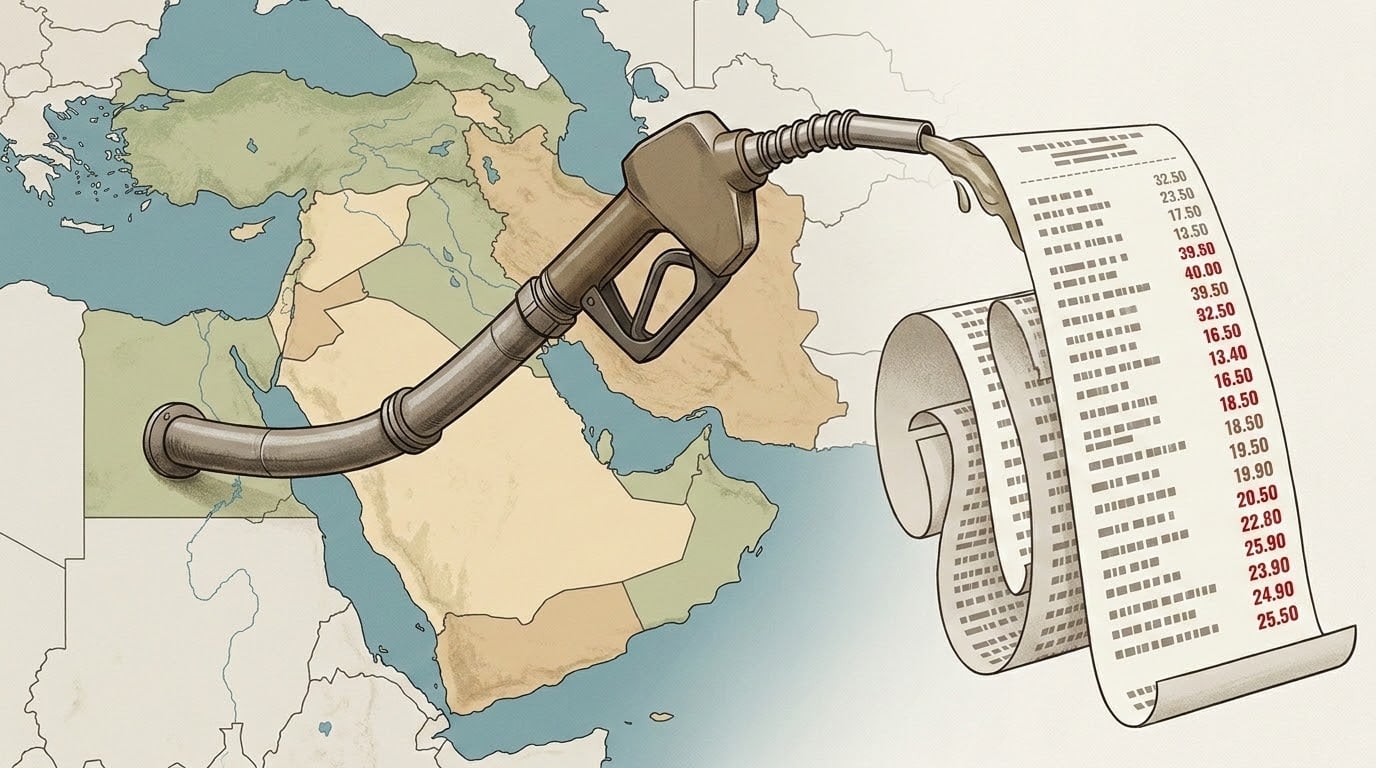
The Strait of Hormuz carries roughly a quarter of the world’s daily oil supply. It has been closed since March 2, when the US-Iran war shut down the waterway. That closure restricted global oil supply. Higher oil costs move through the economy in a predictable order: first at the gas pump, then through diesel fuel, then through the trucking and logistics costs that move food from farms to store shelves.
Energy prices are up 18 percent over the past year. Gasoline is up 28 percent. Fuel oil is up 54 percent.
Energy accounted for more than 40 percent of April’s monthly inflation increase, according to the Bureau of Labor Statistics.
James McCann, senior economist at Edward Jones, said in a note released Tuesday: “American households continue to feel the brunt of surging energy costs. The risk that we are not past the peak of these price pressures is rising.”
The Strait of Hormuz closure in March means additional grocery price increases are still working through the supply chain.
Higher diesel costs take three to six months to reach grocery shelves. The Strait closed in March. That puts further price increases arriving through the summer, regardless of what happens in the conflict.
What Do Rising Prices Mean for Your Grocery Bill and Retirement Budget Right Now?
Wages grew 3.6 percent over the same 12 months that inflation ran at 3.8 percent. That gap is small but real. In practical terms, each dollar earned is buying slightly less than it was a year ago. That covers your gas bill, grocery budget, recreational expenses, and your retirement budget.
How Rising Prices Are Hitting Fixed Incomes Hardest

For households on fixed incomes, the position is harder. The Social Security cost-of-living adjustment for 2026 was set last fall, before the Iran war began and before energy prices moved. There is no mechanism to recalculate benefits mid-year.
The 2026 Social Security COLA was calculated before the Iran war began. There is no mechanism for a mid-year adjustment.
Retirees are covering higher gas and grocery costs on a payment sized for a lower-inflation environment. The 2027 adjustment will reflect this year’s inflation data and is expected to be considerably higher, but that does not help anyone covering bills today. See how federal workforce cuts are adding further pressure on the Social Security Administration.
What the Numbers Mean at the Checkout Line
Jim Piper, a 36-year-old from Indiana who relies on a fixed income, said this week: “I got to pay more, even though I’m not making more.”
That is where the inflation rate becomes a household problem. Grocery prices posted their biggest single-month increase since August 2022. The diesel transmission lag means that number is not the ceiling.
If you are within 10 years of retirement or already on a fixed income, this is the kind of pressure a plan needs to account for before it arrives, not after. These two guides are built specifically for that window: one written by a practicing CFP for people within a decade of retirement, one a 2025 updated walkthrough of how to protect a plan when living costs keep climbing.
Disclosure: BreakingNewsAlerts.com participates in the Amazon Associates program and may earn a commission if you purchase through the links below, at no additional cost to you.


What Is the Most Important Step to Protect Your Budget From Rising Prices?
The connection between a war in the Middle East and a grocery receipt runs through oil prices, diesel costs, and the logistics chains that stock every store shelf. That chain takes months to fully transmit.
With inflation at 3.8 percent and the supply chain lag still working through, rising prices at the grocery store are not done moving. Knowing what your monthly budget actually looks like against that pressure is the most direct move available right now.
Frequently Asked Questions:
Why are prices rising again in 2026?
The main driver is energy. The US-Iran war has kept the Strait of Hormuz closed since March 2, restricting global oil supply. The Bureau of Labor Statistics confirmed that energy accounted for more than 40 percent of April’s monthly inflation increase. Higher energy costs raise prices at the pump and work through to grocery shelves over the following months.
How much has gas gone up in 2026?
Gasoline prices are up 28 percent over the past year, according to the April 2026 CPI report. Fuel oil has risen 54 percent over the same period. Both increases trace directly to the Strait of Hormuz closure following the US-Iran war, which has restricted roughly a quarter of the world’s daily oil supply since March 2.
How did the Iran war cause grocery prices to go up?
Higher energy costs raise the price of diesel fuel, which trucking and logistics companies use to move food from farms and processing facilities to retailers. Those higher transportation costs get passed to shoppers. The transmission takes three to six months after the initial energy price shock. The Strait closed in March, which means grocery price increases from that event are still arriving.
What does this mean for my Social Security check?
The 2026 Social Security cost-of-living adjustment was calculated last fall, before the Iran war and the energy price spike. Benefits cannot be adjusted mid-year. Retirees are absorbing higher costs on a payment sized for a lower-inflation environment. The 2027 COLA will reflect this year’s higher inflation data and is expected to be considerably higher, but current payment amounts do not change until then.
When will the 2027 Social Security COLA be announced?
The Social Security Administration calculates the annual cost-of-living adjustment using CPI data from July through September each year. The official 2027 announcement is expected in October 2026. With inflation running at its highest level in three years, the 2027 adjustment is projected to be considerably higher than the 2026 figure of 2.5 percent.