
QUICK SUMMARY: The Supreme Court struck down President Donald Trump’s tariffs, triggering $166 billion in tariff refunds, but only to corporations that paid Customs directly. Never mind that the average American household absorbed roughly $2,500 in higher prices this year; they have no legal claim to any of it. While Costco and FedEx have pledged to pass money back, most retailers remained quiet about giving back.
You paid more for electronics, shoes, furniture, and clothing since last year. The good news? The tariffs that drove those prices up have now been ruled unconstitutional by the Supreme Court. A $166 billion refund is now flowing through a government portal. The bad news? None of it is coming back to you personally.
That is not an opinion. It is how the refund system was built.
Why Don’t Consumers Qualify for Tariff Refunds?
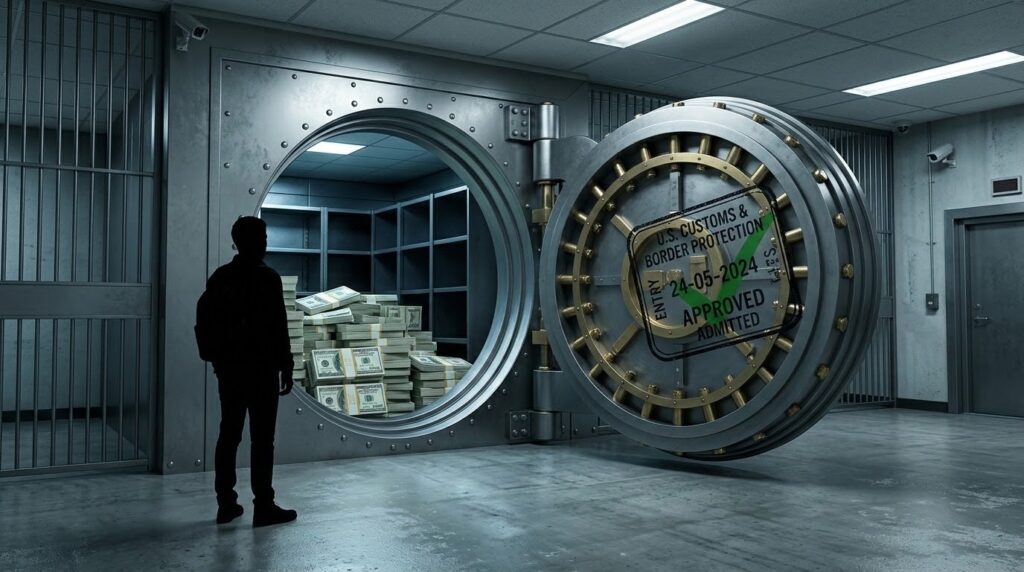
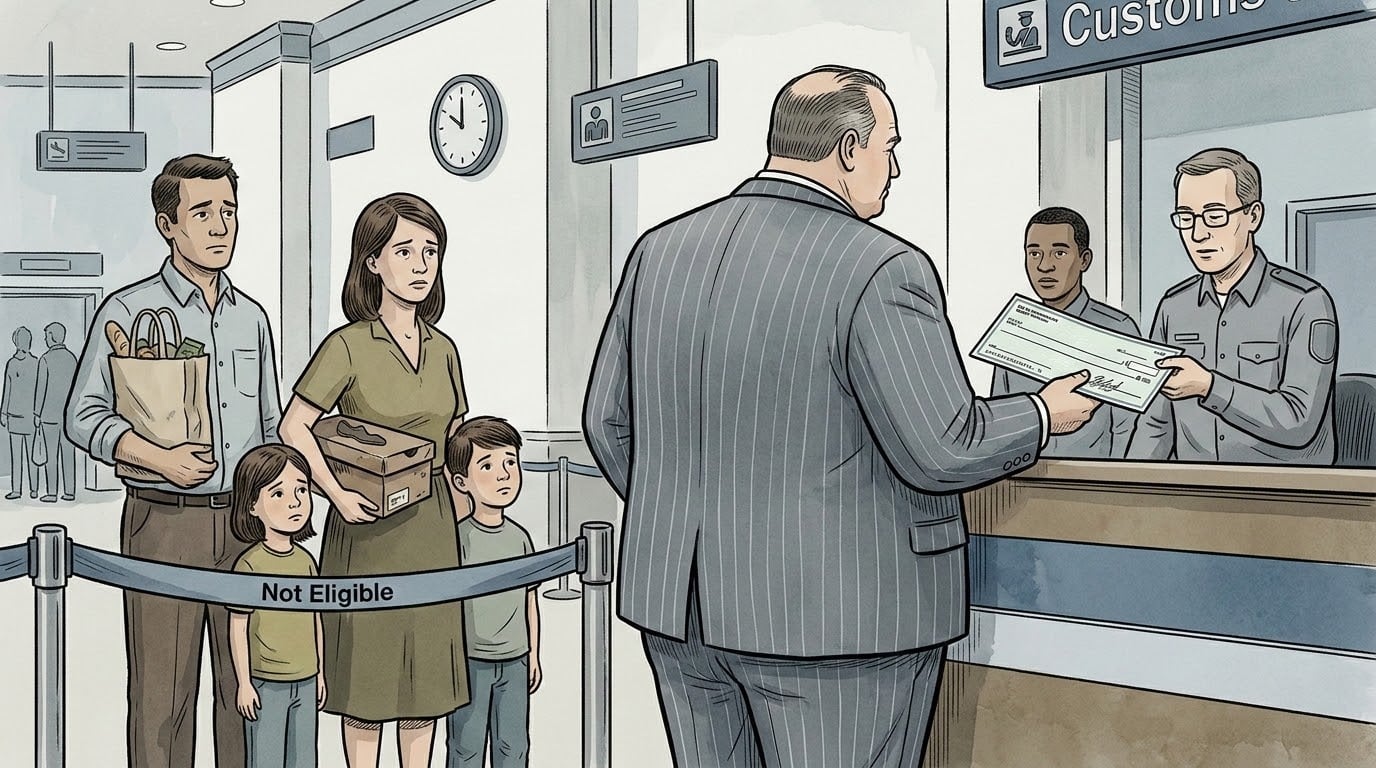
When a company imports a product, it pays customs duties directly to U.S. Customs and Border Protection at the port of entry. That company is the Importer of Record. In February, the Supreme Court ruled those tariffs unconstitutional and ordered CBP to return the money to whoever paid it. That means Importers of Record only.
You were never the Importer of Record. You bought a product from a retailer. The retailer bought it from a distributor. The distributor bought it from an importer. The importer paid CBP. CBP is refunding CBP’s counterparty. That is not you.
The government’s refund portal, called CAPE (Consolidated Administration and Processing of Entries), was launched on April 20, 2026, and is accessible only to Importers of Record and licensed customs brokers. Individual consumers cannot apply. “By the time it gets down to the consumers, the whole tariff has been diluted,” said Robert Shapiro, an international trade lawyer at Thompson Coburn, in an interview with NPR.
How Much Did the Average Household Lose, and Who Is Getting That Money Back?
The Budget Lab at Yale estimates the average American household paid roughly $2,500 more for goods in 2026. That money is not coming back through any government channel.
As of this week, $35.46 billion in refunds is already being processed. Confirmed recipients include Oshkosh Corporation and Basic Fun, the maker of Care Bears and Tonka toys. Citi’s equity researchers put the corporate refund totals in perspective: Walmart, roughly $10 billion. Target, roughly $2 billion. Nike, roughly $1 billion. None of those three companies has made a binding public commitment to return any of that to customers.
Which Companies Have Pledged to Pass Tariff Refunds to Customers?
Two companies have made public pledges. Costco CEO Ron Vachris told investors the company would pass refunds through as lower prices. FedEx said it would issue refunds to customers in cases where it served as the Importer of Record on their shipments. Neither company has named a timeline or a mechanism.
Most major retailers have made no public commitment to pass any refund money back to customers.
Every other major retailer has been silent. “Companies are under zero legal obligation to pass the money to the households who absorbed the cost,” said Michael Ryan, a finance expert and founder of MichaelRyanMoney.com, in an interview with Newsweek. Economists note that retailers rarely drop prices to pass savings along. When tariff costs were rising, prices went up fast. When those costs disappear, prices tend to stay where they are.
Can Consumers Sue to Recover Tariff Costs?
Class action lawsuits have been filed in federal courts across Georgia, Florida, New York, South Carolina, and Oregon against Nike, Costco, FedEx, UPS, and others. The core allegation: these companies collected tariff surcharges from customers, and now stand to recover the same money from the government by getting paid on the same cost twice.
Those cases are in early stages, no class has been certified, and no settlement exists. Legal experts note the claims face significant challenges on standing. If a class is certified, most consumers would be included automatically without registering.
A Texas lawmaker has proposed the American Consumer Tariff Rebate Act, which would send $1,020 per taxpayer plus $125 per child. That bill has not passed and has no Senate companion.
What Happens Next, and Could New Tariffs Arrive Before the Old Ones Are Refunded?
A federal court deadline for CBP to report refund progress is May 26, 2026. The Trump administration is separately appealing the court ruling that struck down the 10 percent replacement tariffs imposed after the Supreme Court decision. If that appeal succeeds, new tariff costs may arrive before the old tariff refunds reach anyone.
The $2,500 your household absorbed in tariffs this year is not coming back through any government check.
The only question still open is whether the corporations now collecting tariff refunds will voluntarily send any of it your way. Most have not said a word.
Frequently Asked Questions
Why Aren’t Consumers Qualified for Tariff Refunds?
CBP’s refund portal is open only to Importers of Record and licensed customs brokers, as they are the businesses that paid tariffs directly to the government at the port of entry. Individual consumers may have paid higher retail prices, but they have no direct claim through the CAPE system.
What Is the CAPE Portal and Who Can Access It?
CAPE is the Consolidated Administration and Processing of Entries. It’s the Customs and Border Protection (CBP) refund system, launched on April 20, 2026. Access is limited to Importers of Record and licensed customs brokers. Individual consumers cannot apply. As of late April, 56,000 importers had registered and $35.46 billion was being processed.
Which Companies Have Promised to Pass Tariff Refunds Back to Customers?
Costco and FedEx are the only major companies to make public pledges. Costco committed to lower prices while FedEx committed refunds to customers where it served as the Importer of Record. Neither has specified a timeline or mechanism. Companies such as Walmart, Target, Nike, and most other major retailers have made no public commitment.
How Much Did the Average Household Pay Because of These Tariffs?
The Budget Lab at Yale estimates the average American household paid roughly $2,500 more for goods during the IEEPA tariff period in 2026. The tariffs affected electronics, apparel, furniture, footwear, and other imported consumer goods.
Can Consumers Sue to Get Money Back?
Lawsuits have been filed against Nike, Costco, FedEx, UPS, and others alleging they collected tariff surcharges from customers and now stand to recover the same money from the government. These cases are early-stage with no certified class and no settlement. Courts have not confirmed the underlying legal theory.
What Should Consumers Do Right Now?
Save all purchase records from April 2025 through February 2026, especially for electronics, footwear, furniture, and clothing. If class action settlements are reached, documentation will determine eligibility. Do not pay any third party to register a claim, as no legitimate consumer refund process currently exists, and CBP does not charge consumers to participate in anything.