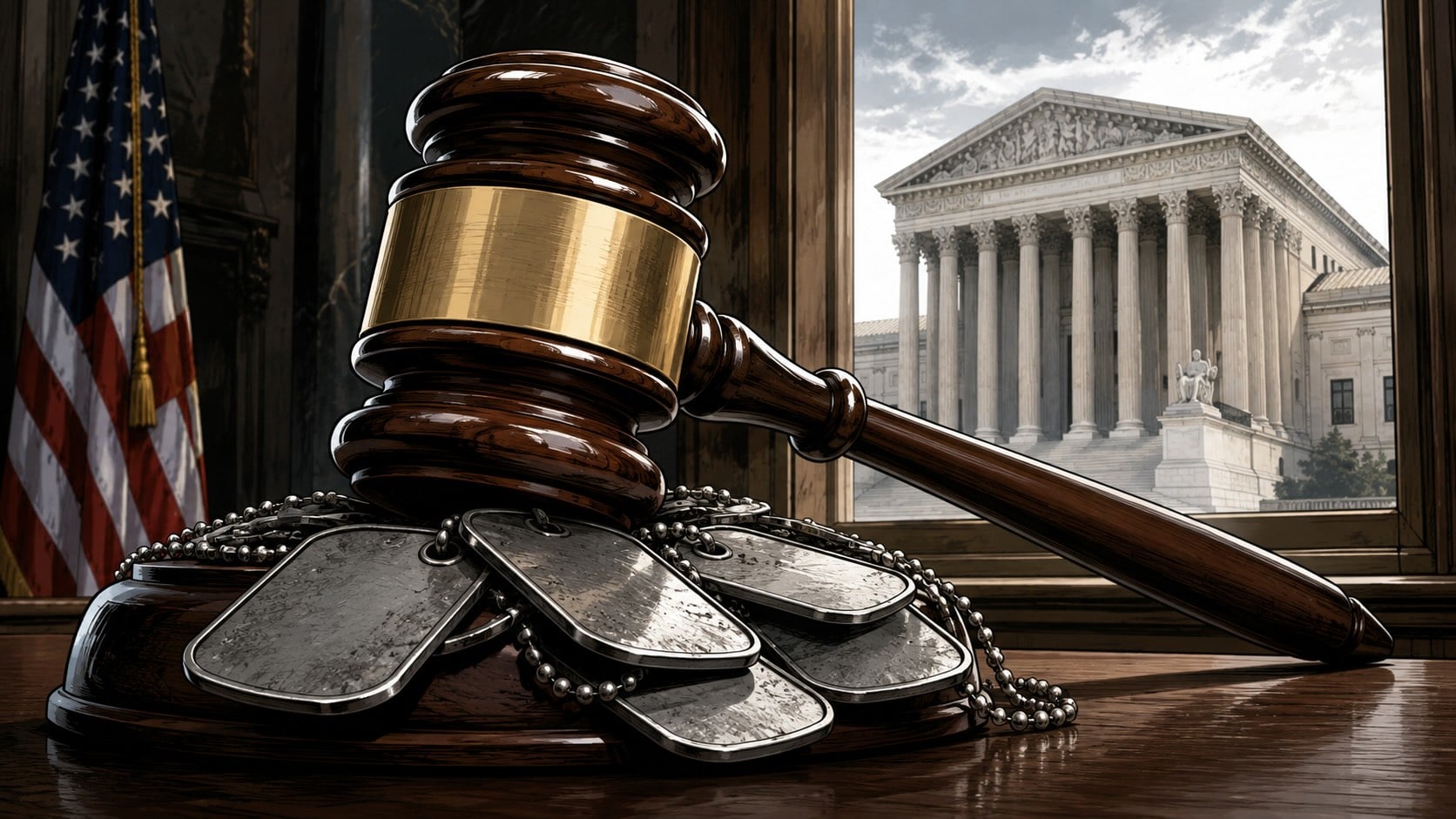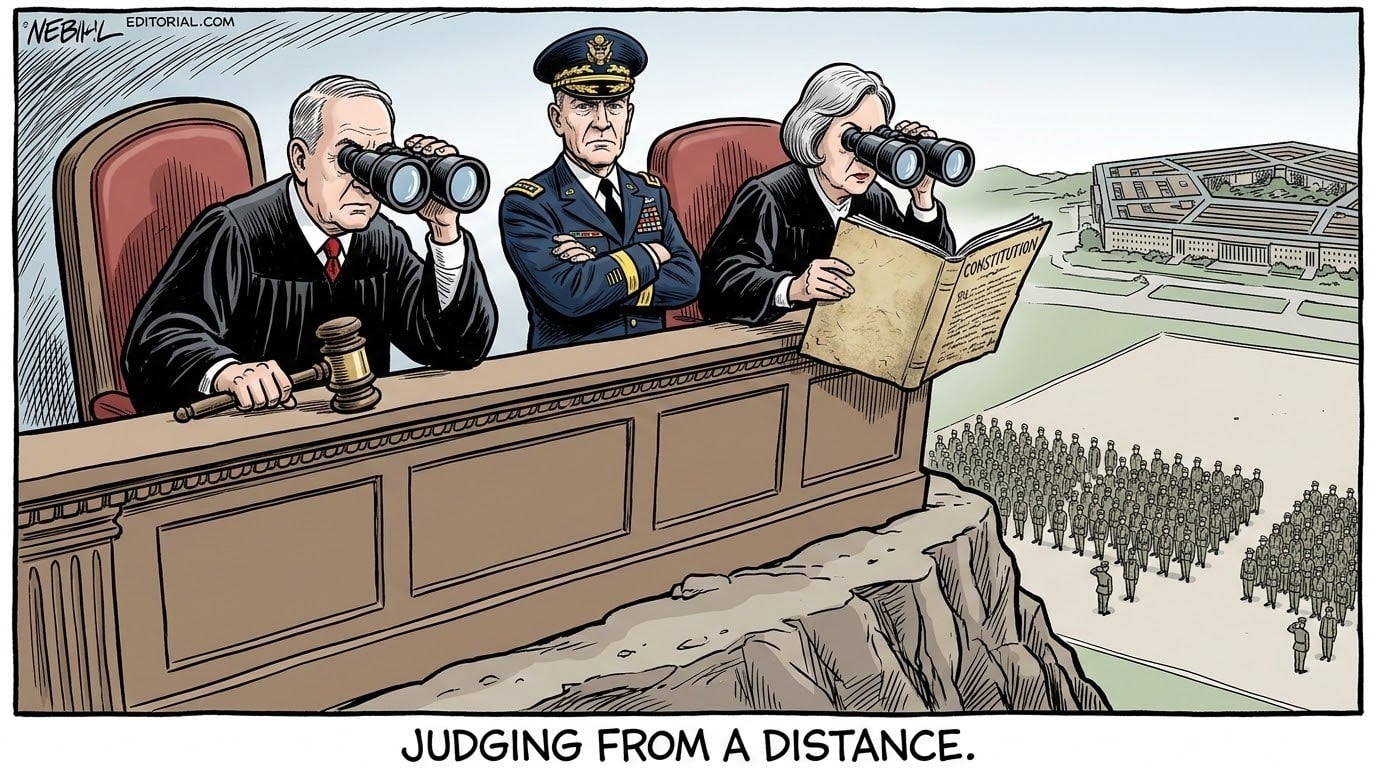

A federal appeals court ruled the Pentagon’s transgender military ban unconstitutional on June 1, calling the policy “driven by the bare desire to harm a politically unpopular group.” The D.C. Circuit Court of Appeals split 2-1, with two judges appointed by former Presidents Obama and Clinton forming the majority. The ban remains in effect. Secretary of War Pete Hegseth responded on social media with three words: “See you at SCOTUS.”
The ruling does not end the ban. It does not reverse a single discharge. What it does is set up the next fight over a question that matters beyond the courtroom: who decides who serves in the United States military? In a related matter two days after the transgender miltary ban ruling, the administration signed a separate executive order removing civil service protections from thousands of civilian federal employees. The principle is the same: the President, not the courts, decides who serves for the American people.
The Court Said the Transgender Military Ban Policy was Built on Animus, Not Readiness
Judge Robert Wilkins, appointed by President Obama, wrote the majority opinion. He found that the Hegseth policy “does not classify whether persons are eligible to serve in the military in a reasonable and evenhanded manner.” The policy disqualifies any person who has ever been diagnosed with gender dysphoria, regardless of when the diagnosis was made or whether they currently experience symptoms.
Wilkins wrote that President Trump “declared transgender people as categorically unfit for military service explicitly because of their gender identity,” and that the policy was “premised, at least in part, on a non-legitimate state interest to harm the politically unpopular group of transgender persons.”
Judge Judith Rogers, appointed by President Clinton, joined the majority on the core holding. Rogers partially dissented on a narrower question involving restrictions on new transgender recruits attempting to enlist.
The Transgender Military Ban Ruling Protects a Handful of Plaintiffs, Not the Full Force
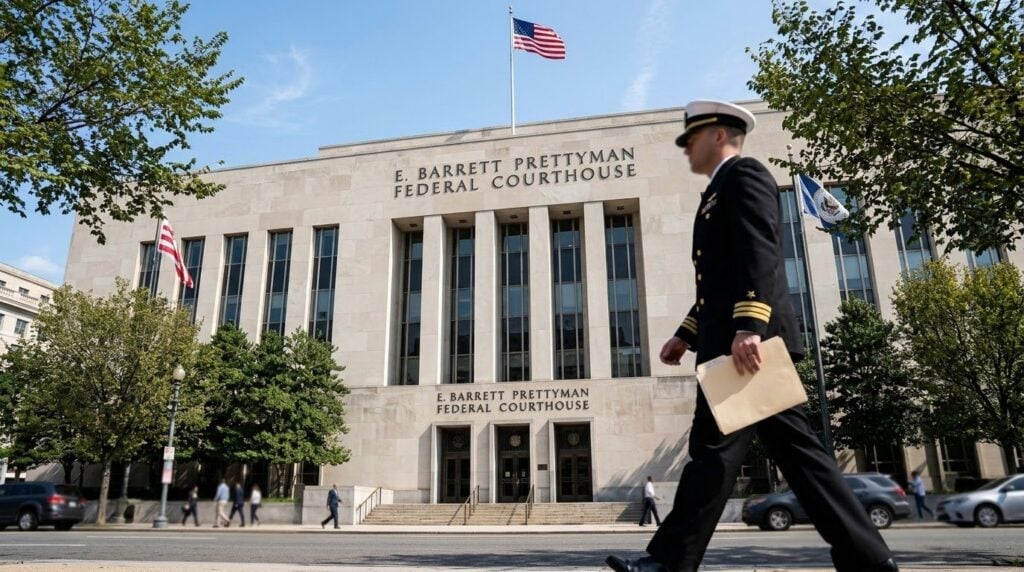
The practical effect is narrow. The court’s injunction only protects the named plaintiffs who are currently serving on active duty. It does not cover service members who were not part of the lawsuit. It does not allow new transgender recruits to enlist. The judges immediately stayed their own decision to give the administration time to seek further review.
That means the roughly 1,000 transgender service members who have already been involuntarily discharged during Trump’s second term remain discharged. The separation boards that have been processing removals since Hegseth issued his policy memo in February 2025 continue operating for everyone outside this lawsuit.
A class action motion that would extend the ruling to all transgender service members is scheduled for hearing on June 30. If the court certifies the class, the scope of the injunction expands. If it does not, the ruling remains limited to the named plaintiffs.
The Dissent Argued Courts Have No Authority Over Military Personnel
Judge Justin Walker, appointed by President Trump, wrote a sharp dissent. He argued the majority made “an unprecedented intervention into military affairs” and that federal judges do not have the expertise or the constitutional authority to override the Commander in Chief on questions of military personnel, such as enacting a transgender military ban.
“We have neither the expertise nor the authority to decide whether the military can exclude the plaintiffs from its ranks,” Walker wrote. “The Constitution assigns that authority to Congress and the Commander in Chief.”
Walker’s dissent is the framework the administration will carry to the Supreme Court. The argument is not about whether the ban is a good policy. It is about whether civilian courts can overrule military leadership on who is fit to serve.
Hegseth Signaled SCOTUS and the June 30 Hearing is Next
Hegseth’s response was not ambiguous. “See you at SCOTUS” signals the administration intends to take this to the Supreme Court, which already allowed the ban to take effect in May 2025 when it lifted a lower court injunction. The three liberal justices dissented at that time. The conservative majority did not explain its reasoning.
The June 30 class action hearing is the next procedural milestone. If the class is certified, the case becomes harder for the administration to contain, and the injunction would extend to all transgender service members currently on active duty. If it is not certified, the legal fight stays narrow while discharges continue for everyone not named in the lawsuit.
The question this ruling raises is not whether the ban survives. It is whether federal judges appointed by previous presidents can override the current Commander in Chief on military readiness decisions. The Supreme Court will answer that question, and the answer will matter for more than this single policy.
Frequently Asked Questions:
Did the appeals court overturn the transgender military ban?
No. The D.C. Circuit Court of Appeals ruled the ban is likely unconstitutional, but the ban remains in effect. The court stayed its own decision to give the administration time to seek further review, and the Supreme Court previously allowed enforcement to continue while litigation plays out.
How many transgender service members have been discharged?
Approximately 1,000 transgender service members have been involuntarily discharged during Trump’s second term under the Hegseth policy, which was implemented after the Supreme Court allowed the ban to take effect in May 2025.
Which judges ruled the transgender military ban unconstitutional?
Judge Robert Wilkins, appointed by President Obama, and Judge Judith Rogers, appointed by President Clinton, formed the 2-1 majority. Judge Justin Walker, appointed by President Trump, dissented and argued that courts lack the authority to override the Commander in Chief on military personnel decisions.
Will this case go to the Supreme Court?
Secretary of War Pete Hegseth responded to the ruling with “See you at SCOTUS,” signaling the administration’s intent to seek Supreme Court review. The Supreme Court already allowed the ban to take effect in a May 2025 order. A class action hearing is also scheduled for June 30, 2026, which could expand the scope of the ruling.Q: Does the ruling protect all transgender troops from discharge? A: No. The injunction only protects the named plaintiffs who are currently serving on active duty. It does not cover other transgender service members, and it does not allow new transgender recruits to enlist. Discharge proceedings continue for service members not named in the lawsuit.