
QUICK SUMMARY: The Justice Department has sued 30 states demanding unredacted voter rolls, including Social Security and driver’s license numbers. Federal courts, including Trump-appointed judges, have ruled against DOJ 16 times. Three Republican-led states, Utah, Kentucky, and West Virginia, are among those still refusing the DOJ voter roll lawsuits. DOJ has told a court it plans to run the data against DHS’s SAVE database.
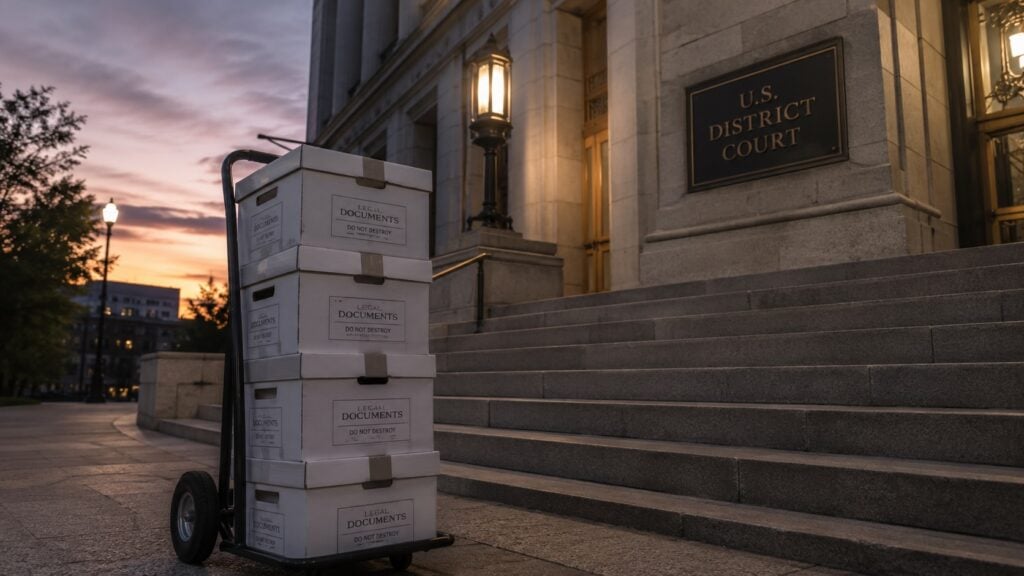
Sixteen federal judges, several of them appointed by President Donald J. Trump, have now ruled against the same demand from the Department of Justice: hand over your state’s complete voter roll, including Social Security numbers and driver’s license data. Sixteen losses. Zero wins on the merits. The Department keeps filing anyway.
What Is the Justice Department Actually Asking For?
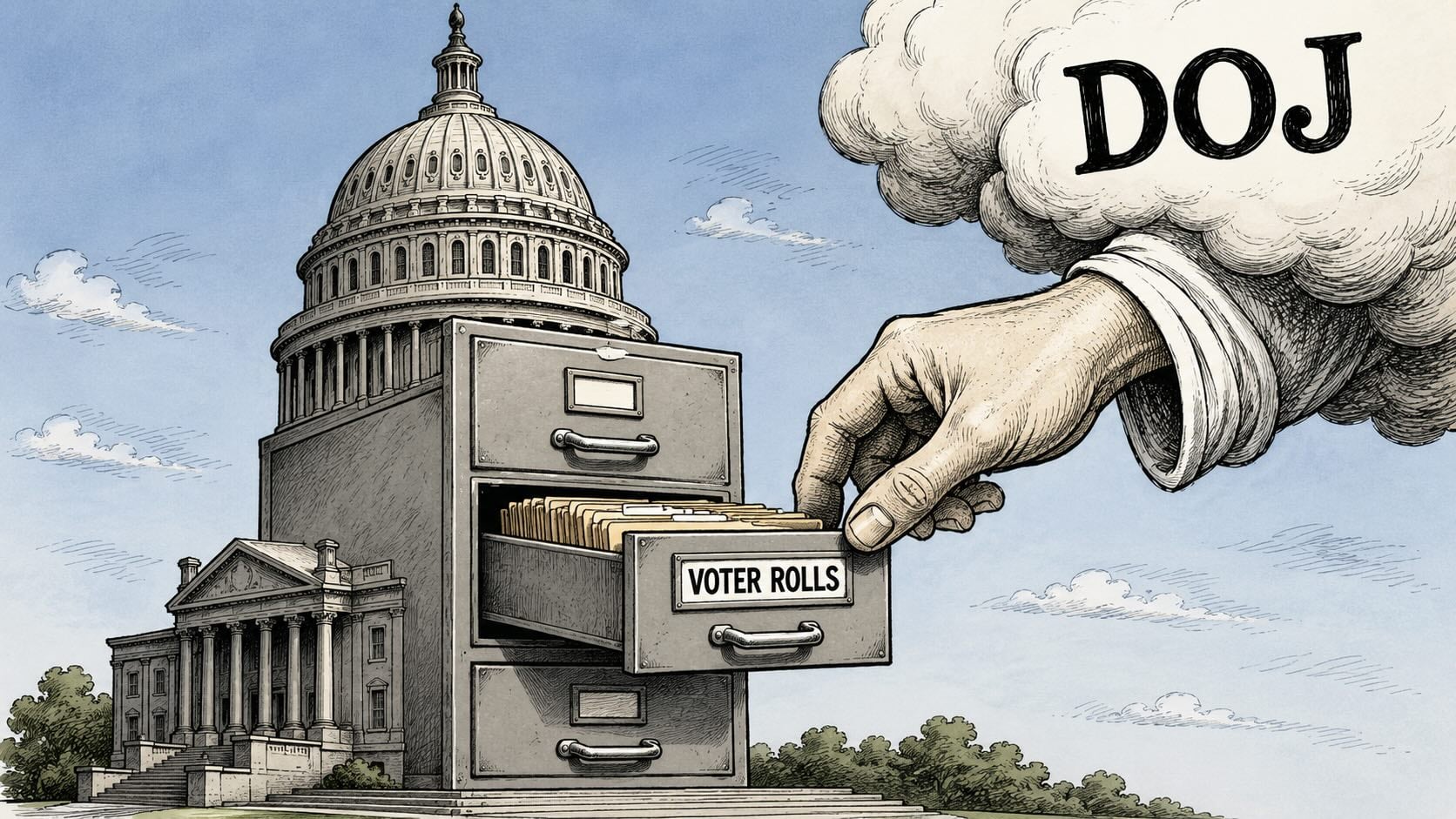
The request itself is straightforward, even if the legal fight over it isn’t. Since mid-2025, DOJ has asked all 50 states and Washington, D.C. for their complete, unredacted voter registration files: names, addresses, dates of birth, driver’s license numbers, and partial Social Security numbers. The Department cites three federal statutes, the Civil Rights Act of 1960, the National Voter Registration Act, and the Help America Vote Act, as its legal authority to collect and inspect the records.
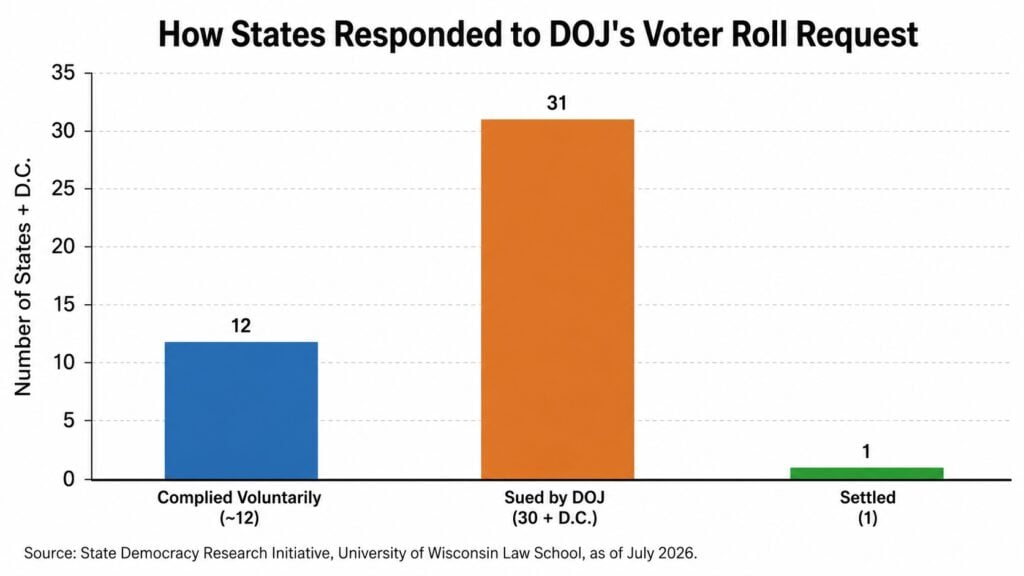
At least a dozen states, including Alaska, Arkansas, Indiana, Ohio, and Texas, handed the data over voluntarily, no lawsuit required. Oklahoma is a separate case: DOJ sued the state first, and Oklahoma agreed to comply only as part of a March 2026 settlement that ended the suit. Thirty states and D.C. did not comply at all, and DOJ has sued every one of them, according to a case-by-case count kept by University of Wisconsin Law School researchers.
Which States Have Said No, and Which Republicans Are Among Them?
This isn’t a blue-state-versus-Trump story, whatever the framing elsewhere suggests. Utah, Kentucky, and West Virginia, all led by Republican officials, are still refusing, named defendants right alongside California and New York, and several GOP officials have pushed back just as hard as their Democratic counterparts.
Utah Lt. Gov. Deidre Henderson didn’t mince words: “Neither state nor federal law entitles the Department of Justice to collect private information on law-abiding American citizens.” Kentucky Secretary of State Michael Adams put it in blunter terms still: “I will not voluntarily commit a data breach by providing Kentuckians’ personal data to the federal bureaucracy unless a court order tells me to.” West Virginia’s office was more direct: “Bring it on.”
How Many Courts Have Ruled Against DOJ So Far?
Sixteen separate federal district courts, in states from California to Connecticut, have dismissed DOJ’s lawsuits on the merits, a losing streak documented in the Brennan Center’s ongoing court tracker. U.S. District Judge David O. Carter, appointed by President Clinton, called the California case “unprecedented and illegal” and warned that centralizing this data “would have a chilling effect on voter registration.” DOJ is appealing most of those losses across five federal circuits. This pattern of federal courts checking executive-branch reach isn’t universal, though. The Supreme Court recently sided with the administration in a separate agency-power case, on a different question entirely: whether the president can fire independent agency officials at will.
What Does DOJ Plan to Do With Your Data at DHS?
In a hearing on the Rhode Island case, DOJ’s Acting Chief of the Voting Section told the court the Department plans to run the voter data it collects against DHS’s SAVE database, the system built to verify immigration status. The Civil Rights Division already has a standing memorandum of understanding with DHS covering SAVE checks for voter list maintenance. What the hearing added wasn’t new legal authority, which already existed, but confirmation DOJ is applying it to the voter data it’s collecting under this specific nationwide push. Common Cause has sued to challenge the broader effort.
The timing is notable. This surfaced the same month President Trump used a primetime address to make a related but separate China voter files claim, that Beijing acquired 220 million American voter records. That claim concerns data China allegedly already has. The SAVE cross-reference concerns what DOJ plans to do with data it’s collecting right now. The two stories share a subject, not a source.
What Happens to Your Data If Your State Already Complied?
If you live in one of the states that handed over full voter files voluntarily, your name, address, birthdate, and partial Social Security number are already sitting with the federal government. No court has yet ruled on how long DOJ can keep that data or what oversight governs its use. For a sense of how federal agencies have handled similar sensitive-data access in practice: a GAO review found gaps in the controls governing DOGE’s access to Treasury data. That question, not the lawsuit count, may end up mattering more than anything else in this fight.
Frequently Asked Questions:
Has DOJ actually won any of these lawsuits?
One state, Oklahoma, settled and agreed to hand over its data. No court has ruled in DOJ’s favor on the merits.
Which states are fighting DOJ despite being led by Republicans?
Utah, Kentucky, and West Virginia are the clearest examples, all with GOP secretaries of state or election officials refusing the request
What specific data is DOJ asking for?
Full name, home address, date of birth, driver’s license number, and the partial Social Security number tied to every registered voter.
Is this the same fight as the “proof of citizenship” voter registration cases?
No. Proof of citizenship is a separate legal fight over registration requirements, covered in our report on the citizenship registration ruling. This piece is about DOJ’s access to voter databases that already exist.
What is the DHS SAVE database, and why does it matter here?
SAVE is the federal system used to verify immigration status. DOJ has confirmed in court that it’s applying an existing DHS memorandum of understanding to cross-reference the voter data it’s collecting.
Can my state still refuse if it already said no?
Yes. Refusal so far has meant a federal lawsuit, not automatic compliance. Sixteen of those lawsuits have been dismissed by courts to date.