
Source: YouTube
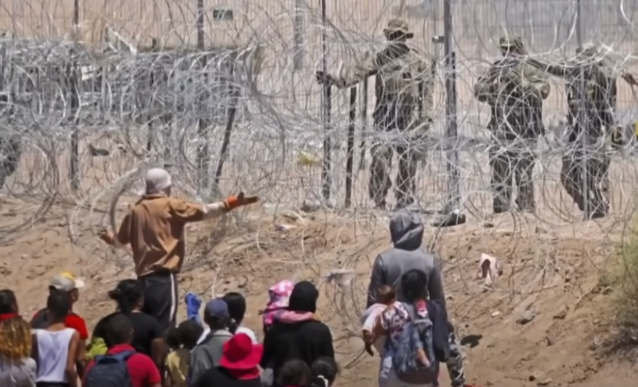
The Trump administration has unveiled a new Department of Homeland Security policy. All undocumented immigrants in the U.S. must submit themselves to the DHS registry and provide fingerprints and list their addresses. Those who fail to comply could face fines, imprisonment, or deportation, according to DHS Secretary Kristi Noem. This unprecedented move is being framed as a necessary enforcement of immigration laws, but legal experts and immigrant advocacy groups warn that the policy could lead to widespread fear, legal challenges, and unintended consequences for American communities.
A Return to an Old Immigration Law?
The administration is justifying the registry using the 1952 Immigration and Nationality Act, a decades-old law that has rarely been enforced. The law states that noncitizens must register with the federal government within 30 days of arrival or face criminal penalties. Until now, this provision had been largely overlooked. Trump’s team argues that this is not a new law—just an existing one that previous administrations failed to enforce.
However, legal scholars caution that reviving this law could lead to constitutional challenges. Some experts point to previous government registration programs, such as those targeting Japanese Americans during World War II and Muslims after 9/11, as historical precedents that led to mass civil rights violations. Immigration advocates worry that this registry could be weaponized to target individuals based on their appearance, language, or background, potentially leading to wrongful detentions of U.S. citizens and legal immigrants.
What Happens If Immigrants Don’t Register?
DHS officials have made it clear that failing to register could result in serious penalties. According to their statement, undocumented immigrants who do not self-report will face prosecution. While the initial penalties include fines or up to six months in prison, the administration has signaled that the registry will aid in identifying individuals for deportation.
Trump’s immigration team has also warned that self-reporting will not guarantee protection from deportation. This creates a dilemma for undocumented immigrants: do they comply with the registry and risk deportation, or refuse and face criminal charges?
How Will This Impact Communities and the Economy?
Many industries rely on undocumented workers, particularly agriculture, construction, and hospitality. If large numbers of immigrants are either deported or pushed further into the shadows, businesses may struggle to fill labor shortages and potentially drive up costs for consumers.
Additionally, this registry could discourage immigrants from reporting crimes or cooperating with law enforcement out of fear that their information could be used against them. Immigration advocates argue that this could make communities less safe, as undocumented individuals become more vulnerable to exploitation, trafficking, and abuse.
Legal Battles and Potential Backlash
Immigration lawyers and civil rights organizations are already preparing lawsuits to challenge the DHS registry. Critics argue that the program could violate due process rights and protections against self-incrimination. Some state governments may also resist cooperating with federal immigration enforcement, setting up another legal clash between Trump’s administration and cities that have declared themselves sanctuary jurisdictions.
Meanwhile, DHS is pressing forward with the program, urging undocumented immigrants to register online or in-person at federal immigration offices. Noem has warned that deportations will be aggressively enforced, making it clear that Trump’s immigration crackdown is far from over.
What’s Next for Immigration Policy?
Trump’s DHS registry is one of the most aggressive immigration policies in recent U.S. history. While the administration insists that it is simply enforcing existing laws, opposition from legal experts, state governments, and advocacy groups could lead to lengthy court battles. If the policy survives legal scrutiny, it could reshape how undocumented immigrants are tracked, detained, and deported in the years to come.
The coming months will determine whether this policy is a temporary enforcement measure—or the beginning of a much broader immigration overhaul.
Do you think the DHS registry is an effective immigration policy or an overreach of government power? Tell us what you think!