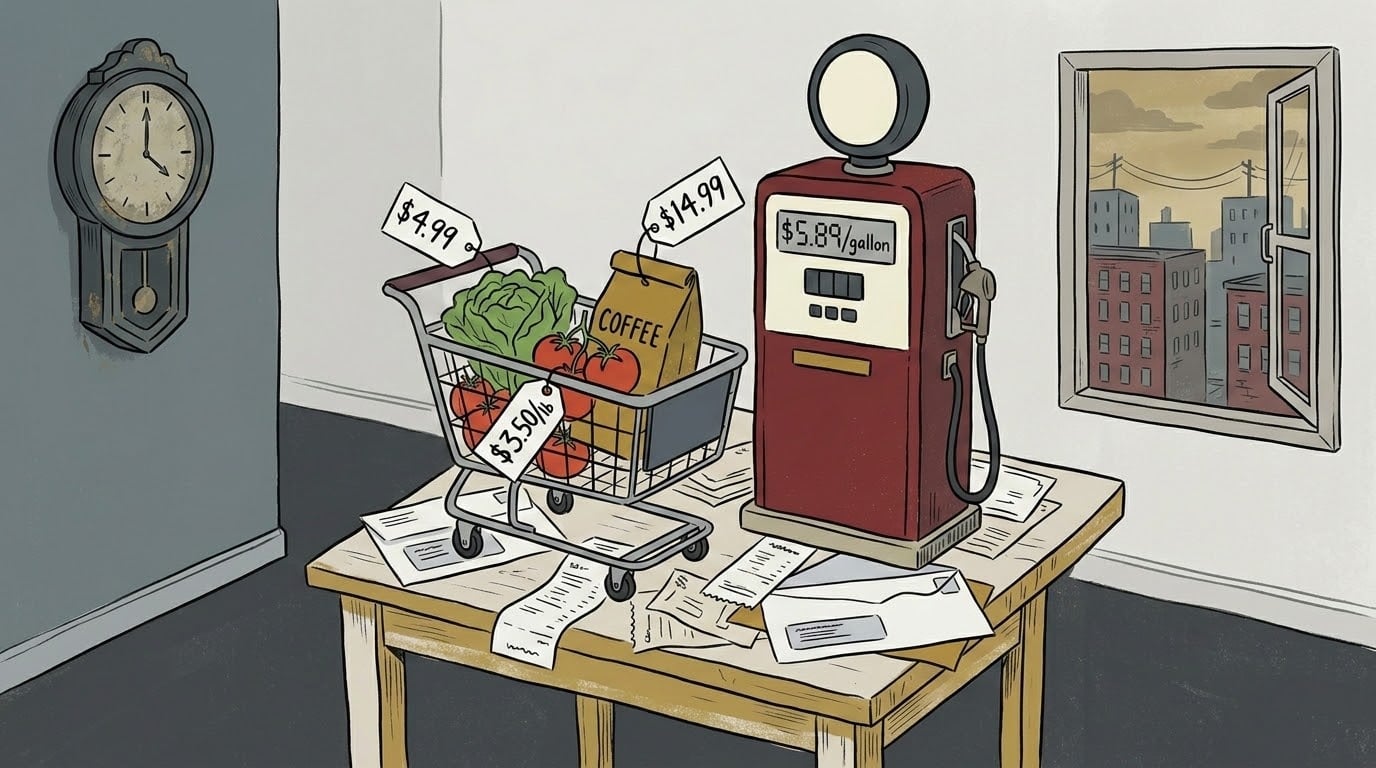

The Bureau of Labor Statistics put May inflation at 4.2% annually, the highest reading since April 2023, and President Donald Trump’s “I love the inflation” response to that number is now the most clipped, cropped, and weaponized soundbite in Washington. The full version of what Trump said tells a more complicated story. The quote is complicated. The number on your grocery receipt is not.
What Trump Actually Said in the Oval Office
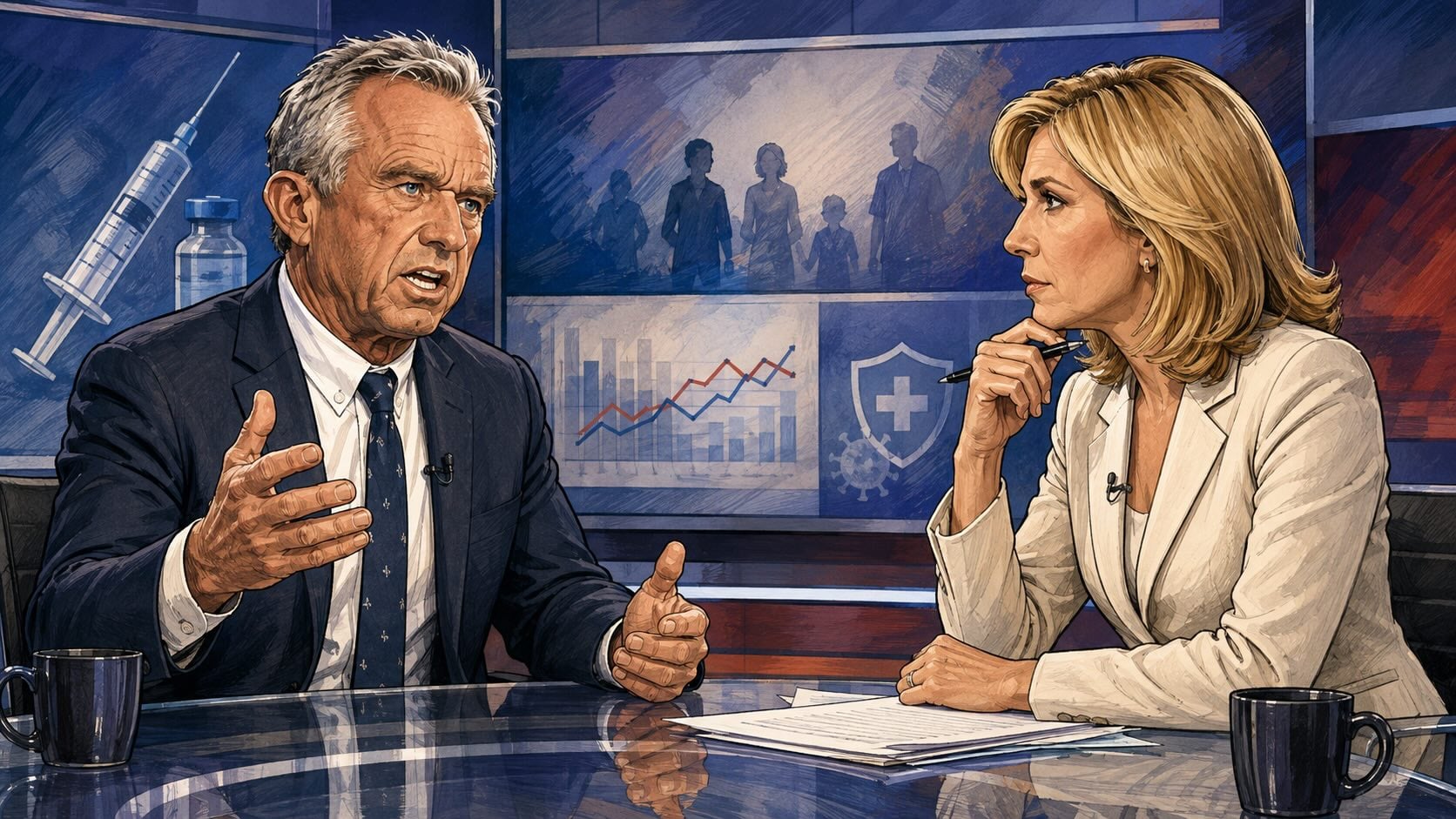
A reporter asked Trump whether he was concerned about the new CPI data. His response on camera: “No, I love it. The numbers were great. You know what I really love? I love the inflation. You know why? Because as soon as this war is over, when the war is over, it’s coming down, it’s going to come down like a rock.”
Trump argued that energy costs driven by the U.S.-Iran conflict account for the bulk of the current inflation spike, and that those costs will collapse once the war ends. He told reporters the U.S. has been moving oil through the Strait of Hormuz, describing it as a strategic operation, and framed the current inflation as a temporary wartime cost with a defined endpoint.
He later told the New York Post he meant he loved that the numbers were not even higher, saying “the numbers will come way down, that’s what I’m talking about” and “I’m always taken out of context.” House Speaker Mike Johnson backed that read, calling the framing “totally out of context” while also acknowledging that gas prices remain a pain point for American families.
That is the full record. Democrats moved immediately to clip the quote and post it without context. Some conservative outlets moved immediately to post the clarification without the quote. Neither version gives you what you actually need.
What the BLS Report Actually Shows
The May Consumer Price Index report, released by the Bureau of Labor Statistics on June 10, 2026, shows prices rising 0.5% month-over-month and 4.2% year-over-year. That annual rate marks the third consecutive monthly acceleration and the highest reading since April 2023.
Energy drove more than 60% of the monthly gain, with gasoline up 40.5% from a year ago, fuel oil up 58.9%, and energy overall up 23.5% year-over-year.
Food costs rose 3.1% annually. Within that category, specific items are running considerably hotter: tomatoes up 32%, lettuce up 25%, coffee up 17.5%. Core inflation, which strips out food and energy, came in at 2.9% annually, a new high since September 2025. The non-energy, non-food basket is also moving.
Real average weekly earnings fell 0.7% year-over-year in May 2026, the largest annual decline since February 2023. Inflation is outpacing paychecks for the second consecutive month. That gap is the practical definition of a purchasing power loss.
How Does 4.2% Inflation Affect Your Grocery Bill and Paycheck Right Now?
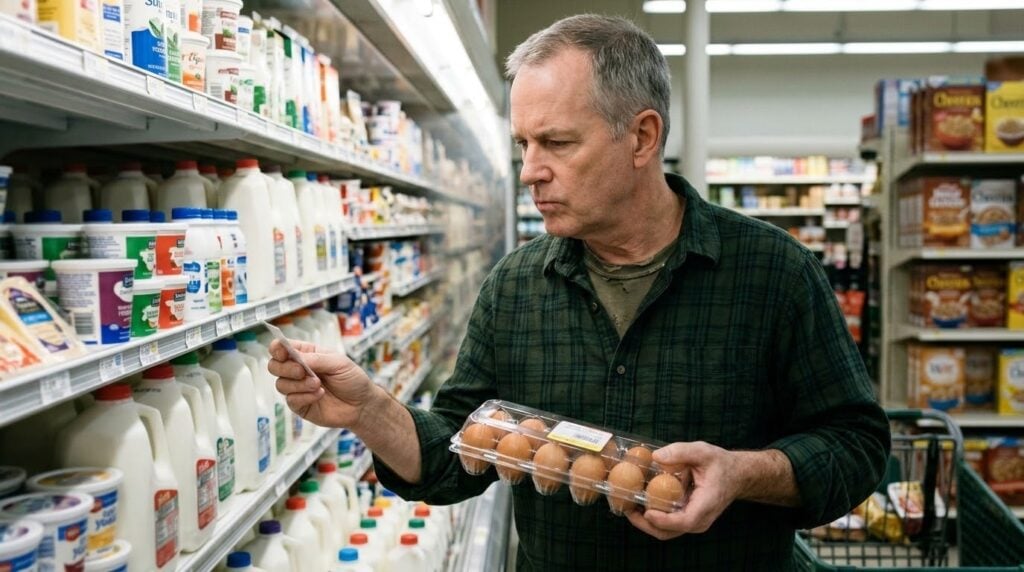
Trump’s war-rationale explanation may be accurate. The Iran conflict has disrupted global energy supply chains, and the correlation between the Strait of Hormuz disruption and the energy CPI is documented in the BLS data. When the war ends, energy prices may well drop sharply.
None of that changes what happens between now and then.
Inflation has accelerated from 2.4% in January to 4.2% in May, a 1.8 percentage point run-up in five months. For a household running retirement math on a fixed or near-fixed income, that trajectory compounds. Every month at 4.2% is a month in which the purchasing power of savings, Social Security income, and pension payments erodes in real terms. The war ending is not retroactive.
“Americans are getting squeezed financially,” said Heather Long, Chief Economist at Navy Federal Credit Union. “This isn’t just ‘bad vibes’ about the economy. There is real pain, especially for middle-class and lower-income households. It’s tough because so many basic items are seeing sizable price increases: gas, electricity, food, medical care.”
The war explains the energy component. It does not explain the food prices, the shelter costs, or the broader economy indicators moving in the same direction.
What Will the Fed Do With a 4.2% Print on June 18?
Federal Reserve Chair Kevin Warsh chairs his first rate-setting committee meeting on June 18, with the May CPI data on the table and the president publicly on record saying he is unconcerned about a 4.2% print.
Warsh and Treasury Secretary Scott Bessent have been in regular contact since Warsh’s confirmation. A rate hold at the June 18 meeting, the current market expectation, means CD yields, money market rates, and savings account returns do not improve.
Prices are climbing. The return on cash savings is not climbing with them. For anyone inside a 10-year retirement window, that combination is not an abstract policy question. It is a monthly math problem with a compounding answer.
How Have Retirement Savers Protected Purchasing Power During Prior Inflation Cycles?
When the CPI outpaces wage growth and the Fed holds rates, the historical response among retirement savers running 8 to 10 year windows has been a shift toward assets that maintain purchasing power in inflationary environments. Hard assets, including physical gold and silver, have functioned as inflation hedges in prior periods when real wages declined and the real return on cash savings went negative.
That is not a prediction about what markets do next. It is a documented pattern from prior CPI acceleration cycles. Whether it applies to your specific situation depends on your retirement timeline, your existing allocation, and your risk tolerance. A licensed financial advisor is the right resource for that conversation.
Frequently Asked Questions
What did Trump mean when he said “I love the inflation”?
Trump said “I love the inflation” in the Oval Office on June 10, 2026, after being asked whether he was concerned about the May CPI report showing 4.2% annual inflation. His full statement tied the number to the Iran war’s impact on energy costs, predicting inflation will drop sharply once the conflict ends. He later told the New York Post he meant he was relieved the numbers were not higher, and said he was taken out of context.
What is the current US inflation rate?
The US inflation rate in May 2026 is 4.2% annually, according to the Bureau of Labor Statistics Consumer Price Index report released June 10, 2026. That is the highest reading since April 2023 and the third consecutive monthly increase. Energy prices are up 23.5% year-over-year, driven by the Iran war’s impact on global oil supply.
How does 4.2% inflation affect retirement savings?
At 4.2% annual inflation, the purchasing power of fixed retirement income and dollar-denominated savings erodes in real terms each month. Real average weekly earnings fell 0.7% year-over-year in May 2026, the largest annual decline since February 2023, meaning inflation is outpacing income growth. For savers within 10 years of retirement, the compounding effect of sustained inflation above 4% represents a material reduction in what their savings will buy at retirement.
Will inflation go down after the Iran war ends?
President Trump predicted inflation will drop sharply once the U.S.-Iran conflict ends, citing the war’s role in driving energy costs higher. Energy prices account for more than 60% of the May monthly CPI increase. However, core inflation, which excludes food and energy, rose to 2.9% in May, suggesting that not all inflationary pressure is war-related. Whether and how quickly inflation declines after a peace deal depends on energy market recovery, global supply chain normalization, and Fed policy.
What can I do to protect my savings from inflation?
Options that retirement savers have historically used during periods of elevated CPI include Treasury Inflation-Protected Securities (TIPS), I-bonds, dividend-paying equities, and hard assets such as physical gold and silver. Each carries different risk profiles and tax implications. A licensed financial advisor can assess which options fit your specific retirement timeline and allocation. Goldco and Birch Gold Group are two companies that specialize in gold IRAs for retirement-focused investors navigating inflationary periods.
What is core inflation and why does it matter?
Core inflation excludes food and energy prices to show the underlying inflation trend. In May 2026, core CPI came in at 2.9% annually, a new high since September 2025. The figure matters because it shows inflationary pressure in the non-war-affected portions of the economy, suggesting the inflation problem is not entirely explained by the Iran war.
When is the next Fed meeting?
The next Federal Open Market Committee meeting is June 18, 2026, Federal Reserve Chair Kevin Warsh’s first rate-setting meeting since his confirmation. A rate hold is the current market consensus.
Reader Poll: