
Image source: YouTube
At 12:01 a.m. Eastern on Aug 7, the newest schedule of Trump tariffs took legal effect and applied to goods from more than sixty trading partners. The executive order sets “reciprocal” rates that mirror foreign levies, lifting some U.S. duties up to 41% while leaving a 10% floor for countries not named. With the change, importers handling everything from European steel to Brazilian beef now file higher duty payments at U.S. ports, marking the largest broad tariff hike since the 1930s.
How Customs Cashes the Tariff Check
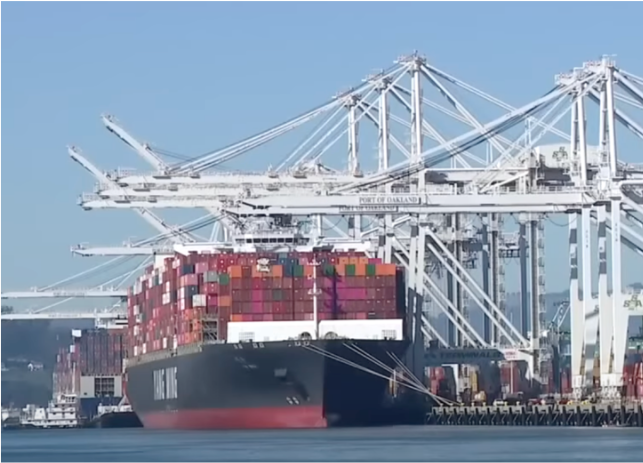
Customs and Border Protection collects the duty the moment an importer clears goods for domestic use. Importers write the check, not foreign exporters, and payment is required before cargo exits a bonded warehouse. Because the charge operates like any excise tax on inputs, it enters company balance sheets long before products reach store shelves, forcing firms to decide whether to absorb or pass along the added cost.
Who Absorbs the Added Cost?
Economists trace each tariff dollar through supply chains to find the final bearer of the cost. The Tax Foundation estimates American firms and households shoulder nearly the entire burden, cutting average purchasing power by about $1,300 a year. Retailers already report higher landed costs for furniture, clothing, and food, and many pass those increases to consumers. Meanwhile, some foreign suppliers accept slimmer margins to defend market share, and currency shifts occasionally offset a slice of the duty when exporting nations allow their currencies to weaken against the dollar. Even with those offsets, most published studies find price pressure settles largely inside the United States.
Evidence Consumers Carry the Load
Analysts point to several data points that show Americans usually pay most tariff costs:
- Prices on tariffed goods rose during the 2018–2019 trade war, confirming direct cost pass-through.
- Import volumes fell only modestly, yet consumer spending on affected items still climbed, showing shoppers accepted higher sticker prices.
- Firms that could not lift prices saw profit margins shrink and hiring slow, meaning American labor absorbed pain as well.
Additional research links tariff-driven price gains with faster inflation in targeted categories, reinforcing the consumer-cost conclusion.
When Exporters Pick Up the Tab
Opposing arguments focus on circumstances in which foreigners bear part of the burden:
- Exporters sometimes discount invoices to preserve long-standing contracts with U.S. buyers.
- Trade-dependent governments quietly subsidize strategic industries, cushioning end-market increases.
- Exchange-rate moves can offset a chunk of the duty when the seller’s currency weakens against the dollar.
These effects exist, yet empirical work finds they rarely exceed one-third of the total tariff value.
What the New Trump Tariffs Mean for Your Wallet
Campaign speeches often portray tariffs as penalties on foreign governments, and sympathetic outlets echo the claim. At the same time, global supply chains hide the link between a dockside tax and a supermarket receipt, leaving many voters unsure who pays. Summer polling shows Republican voters increasingly worry about higher prices, yet almost half still believe China pays the bill, a sign that messaging continues to shape perceptions.
Evidence from tariff episodes over the past seven years shows the “Trump tariffs” behave like domestic taxes with widespread pass-through. Exporters may absorb slices of the cost, but U.S. companies and households generally pay most of the bill. With rates now higher than any point since 1933, families could feel the pinch in autumn budgets and holiday shopping lists unless negotiators roll back duties or markets adjust.
Who do you believe pays for the Trump tariffs? Tell us what you think.