
Image source: YouTube
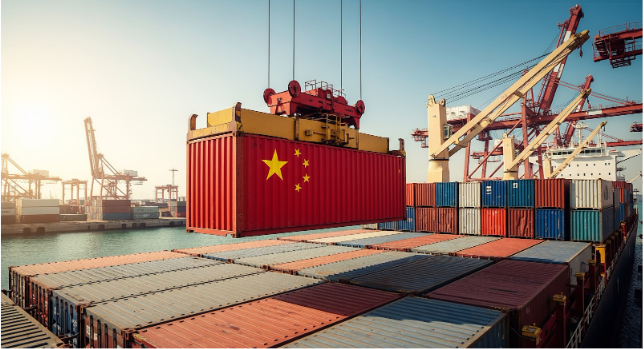
The China tariffs deadline moved 90 days after President Donald Trump signed an executive order late Monday, August 11, 2025, preventing higher duties from snapping back while talks continue, according to CNBC. On Truth Social, Trump said he signed the order and that “all other elements of the Agreement will remain the same,” leaving the existing tariff truce intact for now.
The extension means the China tariffs deadline now falls at 12:01 a.m. EST (0501 GMT) on November 10, 2025, giving both capitals fresh time to negotiate and avert an escalation. Reports indicate the prior deadline was set for just after midnight Tuesday, so the order arrived hours before higher rates would have kicked in, easing immediate pressure on importers and retailers.
What Changed When the Clock Resets
By moving the China tariffs deadline, the White House kept current rates in place and paused the scheduled snapback that many companies had already modeled into worst-case scenarios. Beijing matched the step with a parallel pause, signaling that both sides want space to keep talking without a tariff shock that could ripple through supply chains and holiday inventories. Trump’s post underscored continuity: “all other elements” stay as they are during the 90-day window.
Without the extension, analysts warned U.S. levies on some Chinese categories might have surged toward punitive levels while China readied retaliatory moves on U.S. exports. The new China tariffs deadline avoids that immediate escalation, steadies planning for fourth-quarter shipments, and reduces the risk of price spikes that could have hit consumers heading into the holidays.
What the China Tariffs Deadline Means for Households and Businesses
For importers, the extended China tariffs deadline supports near-term pricing and inventory decisions, especially for retailers stocking for November and December. Energy markets also took note as fears of trade-driven demand shocks eased; oil prices steadied on news of the 90-day truce, reflecting lower perceived risk to global growth from a tariff confrontation. Consumers, meanwhile, get a breather from potential pass-through costs that a snapback might have triggered.
For policymakers, the China tariffs deadline creates a defined window to test whether confidence-building steps can lead to a broader reset. Officials and outside watchers see potential for a Trump–Xi meeting later this year if negotiations hold momentum, but they also caution that headlines could shift quickly if talks stall or if either side signals new red lines.
To ground this, BNA’s Expert Panel points to Peter Schiff, an economist and market commentator known for analysis of inflation and trade-related price pressures; his background emphasizes risks from policy shocks to prices and growth. See his profile for credentials.
What to Watch Before the Next China Tariffs Deadline
First, calendar risk matters because the next China tariffs deadline lands just as U.S. retailers hit peak freight flows; any hint of slippage in talks could change pricing plans overnight. Second, counterpart signals matter because China’s Commerce Ministry moved in parallel, suggesting mutual interest in keeping negotiations alive a bit longer. Third, market reaction bears watching since sentiment can tighten financial conditions if traders price a renewed tariff shock as November approaches.
The bottom line is straightforward: this 90-day extension buys time, not certainty, and the China tariffs deadline still looms. Absent a broader deal, the same cliff returns at 12:01 a.m. EST on November 10, with real-world costs if higher duties snap back for importers, consumers, and supply chains tied to seasonal demand.
Should the White House use this 90-day window to convert the China tariffs deadline into a durable truce, or let higher duties snap back in November? Tell us what you think.