
Image Source: YouTube
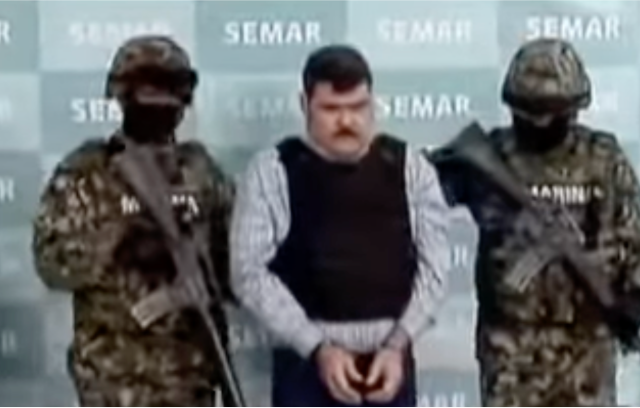
Mexico is transferring 26 suspects tied to a Mexican cartel network to U.S. custody under a Trump-era agreement. The U.S. Justice Department‘s acceptance of Mexico’s requirement that prosecutors would not seek the death penalty cleared the path for extradition flights that begin today. These handoffs place the high value defendants in U.S. federal courts where judges can decide detention and prosecutors can move on indictments. Because this operation is ongoing, officials have not released a full passenger list, yet news outlets have already cited notable names tied to several Mexican cartel hierarchies.
The extradition of Mexican Cartel Suspects Is Finally Happening
This transfer matters because federal custody simplifies control, evidence access, and witness protections. Early appearances can secure detention, preserve material, and limit communication among defendants. Moreover, proximity to prosecutors accelerates cooperation offers that expose Mexican cartel finance, logistics, and cross-border procurement. Because these cases span several districts, consolidation decisions will shape timing and leverage.
Among the Mexican cartel suspects included in the extradition flights are Abigael González Valencia of Los Cuinis, aligned with Jalisco New Generation Cartel, and Roberto Salazar, linked to a 2008 Los Angeles deputy killing. These names signal that the operation targets leadership figures and not only low-ranking couriers. Additionally, Mexico’s Attorney General’s Office acknowledged the transfer mechanics while withholding identities. This pattern reflects prior waves that moved quickly after similar assurances on the death penalty waiver.
U.S. Courts Have Their Hands Full With the Extradited Mexican Cartel Suspects
The suspects’ initial appearance in court will establish the identity, counsel, and detention posture. Prosecutors will argue risk of flight and danger to the community. Judges will weigh prior violence, cartel ties, and potential sentences. Therefore, early rulings will likely order detention for many defendants. Discovery schedules and protective orders follow, which limit sensitive disclosures that could aid a Mexican cartel network still at large.
To ground the enforcement lens, we note the perspective of Tom Homan, executive associate director for Enforcement and Removal Operations (ERO) of ICE, whose work centers on border enforcement and removal operations. His Heritage Foundation profile outlines decades in immigration enforcement that inform how custody, transport, and detention shape outcomes in transnational cases. This background helps readers understand why quick federal control can produce intelligence gains against a Mexican cartel structure.
How Mexico And Washington Reached This Deal And Why It Signals More
The administration applied pressure tied to security and trade while reiterating respect for Mexican sovereignty. Reportedly, Mexico accepted extradition after the United States agreed not to pursue capital punishment. Additionally, coordination improved after prior transfers earlier this year, which built trust in handling and custody conditions. Consequently, agencies aligned around a process that balances speed, safety, and courtroom readiness.
This cooperation does not end the threat. Mexican cartel hierarchies regenerate through money, weapons, and recruitment. However, synchronized arrests, extraditions, and financial cases can disrupt leadership cycles and slow operational tempo. Therefore, sustained action against laundering and procurement is essential if the public expects lasting impact beyond a one-day surge. The final section highlights the near-term markers that show whether this move delivers public-safety results.
Dockets, Detention, And Cooperation: What To Watch Out For This Week
Watch for custody confirmations, initial appearances, and detention orders within days. Next, look for superseding indictments that combine defendants or add charges based on fresh evidence. Additionally, early plea talks by lower level actors may produce cooperation that maps supply routes, brokers, and cash movement within Mexican cartel networks. Because witnesses face risk, courts will likely tighten protective measures to reduce intimidation or leaks.
Readers can track real progress through visible paperwork rather than rhetoric. Docket entries, hearing minutes, and protective orders provide concrete signals. Moreover, jurisdictional transfers will indicate how the Justice Department manages complexity. If cooperation yields actionable leads, expect coordinated arrests in feeder cells that support Mexican cartel distribution in U.S. cities.
Does the extradition of 26 suspects tied to a Mexican cartel make you more confident in border security and federal prosecutions? Tell us what you think.