
Image source: YouTube
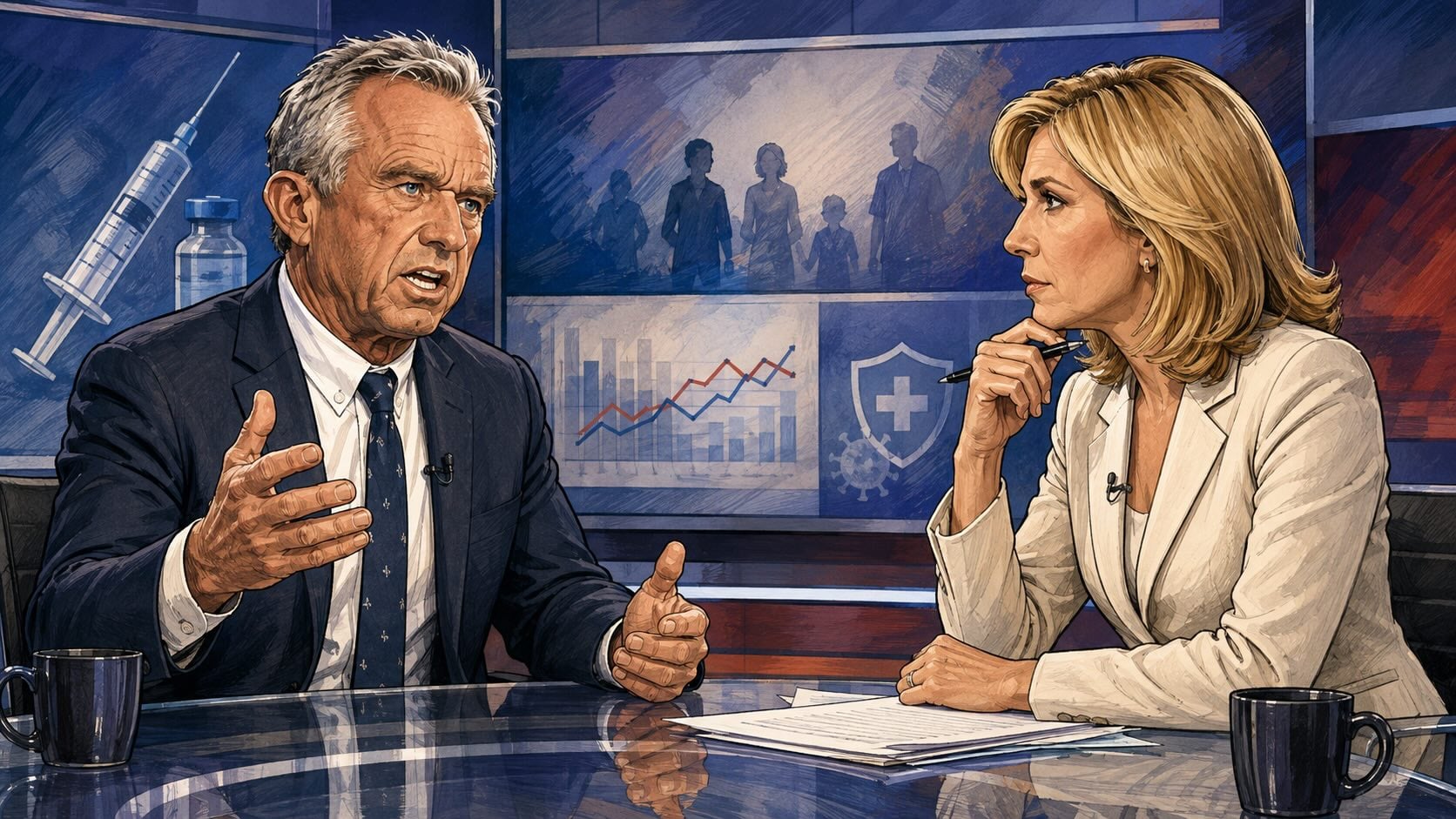
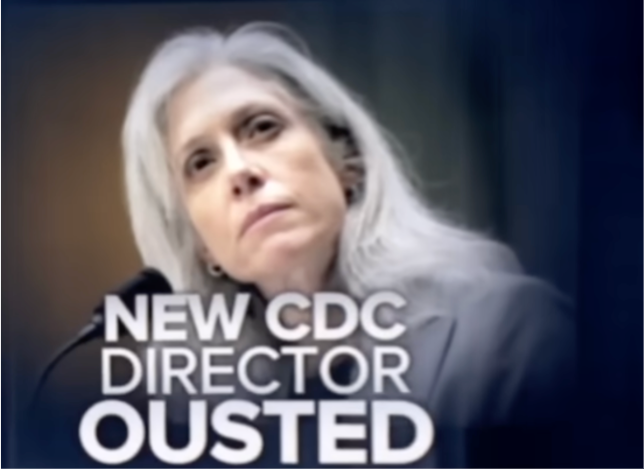
The White House said late Wednesday that it had fired Susan Monarez, the recently appointed CDC director, after a confrontation with Health Secretary Robert F. Kennedy Jr. The move set off a standoff after Monarez’s lawyer said she would not step down, leaving the nation’s top public health agency in limbo.
The confrontation unfolded after Kennedy reportedly tried to remove Monarez directly, citing disagreements over vaccine policy and CDC authority. According to administration officials, tensions boiled over in a closed-door meeting earlier this week, leading the White House to announce her dismissal. However, Monarez’s refusal to accept that decision has created a situation without precedent for the CDC.
A Power Struggle Inside the Trump Administration
The dispute highlights an unusual power struggle inside the Trump administration. Kennedy, a longtime critic of vaccines and federal health agencies, was appointed to lead the Department of Health and Human Services earlier this year. His appointment raised concerns among medical experts about the politicization of science and the independence of public health institutions.
By challenging the CDC director, Kennedy has escalated those concerns. Monarez, who was confirmed only months ago, is the first woman to serve as permanent CDC director in more than a decade. Her refusal to resign signals that she believes the White House’s decision was improper, and her lawyer has suggested she may pursue legal remedies to remain in office.
The unusual standoff pits the White House and a cabinet secretary against one of the government’s most prominent public health officials. Analysts say the conflict could paralyze the CDC at a time when it remains responsible for tracking disease outbreaks, guiding vaccine policy, and coordinating state-level health responses.
What the Firing Means for the CDC’s Credibility
Beyond the political battle, the leadership vacuum raises concerns about the agency’s credibility. For decades, the CDC director has served as a trusted voice during public health crises, speaking directly to the public and coordinating with states. If the role is left in dispute, confidence in the agency’s guidance could weaken further.
The clash also underscores how much control the White House now seeks over the CDC. Traditionally, the director has operated with some independence, although technically serving at the president’s pleasure. Monarez’s refusal to step down suggests she intends to challenge whether her removal was carried out lawfully, adding a legal dimension to the controversy.
The broader context is Kennedy’s ongoing campaign to reshape federal health policy. As HHS secretary, he has sought to rein in CDC authority, pushing for more oversight of vaccine approval processes and greater transparency in data reporting. Supporters say his approach addresses longstanding concerns about accountability, while critics warn it undermines scientific integrity.
Aftermath of the CDC Director’s Firing
The White House has not announced an interim replacement for Monarez. Officials have said only that Kennedy will assume oversight of CDC operations until the leadership dispute is resolved. Public health advocates warn that this uncertainty could delay urgent programs, from preparing for flu season to monitoring new outbreaks overseas.
For now, the fate of the CDC director’s office remains unclear. Whether Monarez steps aside, fights in court, or forces a political compromise, the episode highlights how a public health role once defined by expertise has become a battleground for political power.
Should the White House and RFK Jr. be allowed to fire the CDC director, or does Susan Monarez deserve to fight her removal? Tell us what you think.