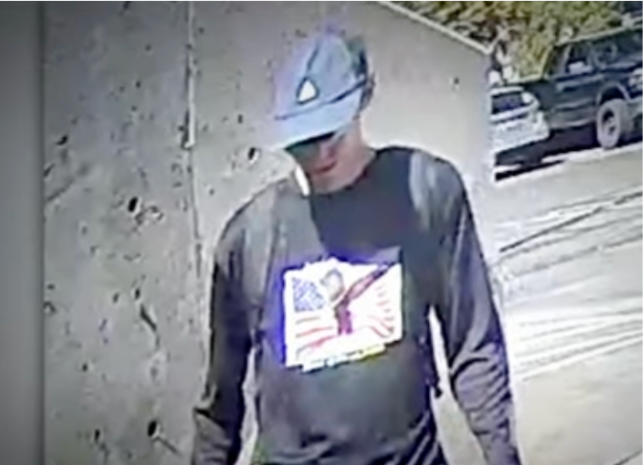

Image Source: YouTube
Yesterday, Utah County officials released Tyler Robinson’s text messages and presented them as evidence on the planning and motive behind the killing of conservative commentator Charlie Kirk. The communications, sent to Robinson’s roommate, describe how he prepared a rifle, explain his frustration with Kirk’s rhetoric, and reveal his efforts to conceal involvement. Prosecutors argue these details strengthen the case for premeditated murder, while others caution they still leave questions unanswered.
Robinson’s messages include descriptions of his rifle preparations. He told his roommate that he had hidden the gun in a bush wrapped in a towel and later retrieved it before Kirk’s event. He referenced adding a scope and engraving bullets, details that officials interpret as proof of detailed planning. Robinson admitted that he had been preparing for more than a week, which prosecutors say undermines any defense of a spontaneous act. The texts are being used to show clear intent.
Tyler Robinson’s Text Messages and Motive
The content of the messages also points to Robinson’s frustration with Kirk’s public statements, especially on LGBTQ+ and transgender issues. He told his roommate that “some hate can’t be negotiated,” describing Kirk’s rhetoric as intolerable. Utah Governor Spencer Cox said Robinson’s leftist views often clashed with his conservative family, creating personal and political tension. Prosecutors now argue these communications prove the shooting was politically motivated. They see them as a direct link between ideology and violence.
Officials emphasize that Robinson’s anger was not expressed only once. His texts suggest that frustration had been building over time. By citing Kirk’s language in his explanations, Robinson created a narrative in which his beliefs justified the shooting. Investigators argue that this link between rhetoric and action establishes ideology as the core motive.
Remorse and Efforts to Conceal
After the shooting, Robinson’s tone changed dramatically. He apologized to his roommate, called them “my love,” and asked that the incriminating messages be deleted. He also urged caution about interactions with law enforcement. Prosecutors interpret these actions as evidence of guilt and awareness. They claim Robinson’s mix of remorse and secrecy shows he recognized the seriousness of what he had done and sought to minimize proof of his role.
Investigators say the concealment strengthens the case for premeditation. The attempts to delete evidence, combined with clear expressions of guilt, are seen as proof that Robinson acted deliberately. For prosecutors, these details add another layer of intent, combining ideology, planning, and conscious efforts to erase evidence.
Questions That Remain Unanswered
Despite their detail, the texts do not resolve every question about Robinson’s actions. They show planning, ideology, and concealment, but they do not prove whether he acted completely alone. Authorities have not yet determined whether online groups or extremist influences contributed. Nor do the texts explain Robinson’s psychological state. His remorse could indicate guilt, inner conflict, or instability. Without further evidence, these factors remain uncertain.
The release of Tyler Robinson’s text messages provides both clarity and ambiguity. They underscore his anger at Kirk’s rhetoric, his preparation of the rifle, and his attempts to cover his tracks. Prosecutors argue they confirm ideology as the motive. Yet they also highlight gaps, leaving investigators and the public with open questions about what else influenced Robinson’s actions.
Do Tyler Robinson’s text messages reveal his true motive? Tell us what you think.