
Source: YouTube
The Senate has moved a step closer to defunding PBS, NPR, and hundreds of local public media outlets. On Tuesday, lawmakers voted 51-50 to advance a rescission bill that would eliminate $1.1 billion in federal funding already allocated to the Corporation for Public Broadcasting (CPB). Vice President JD Vance cast the tie-breaking vote after three Republican senators joined Democrats opposed to the measure. The package, backed by President Donald Trump and promoted by Office of Management and Budget Director Russell Vought, forms part of a wider effort to pull back more than $9 billion in federal spending. Alongside foreign aid and health programs, public media has emerged as a key target.
Why Defunding PBS and NPR is part of Trump’s Agenda
Trump and his allies have repeatedly accused public media of partisan bias. During his first term, Trump proposed defunding PBS and NPR, but these attempts failed to pass. This time, the effort has gained traction under a Republican-led Congress more aligned with his fiscal and political agenda.
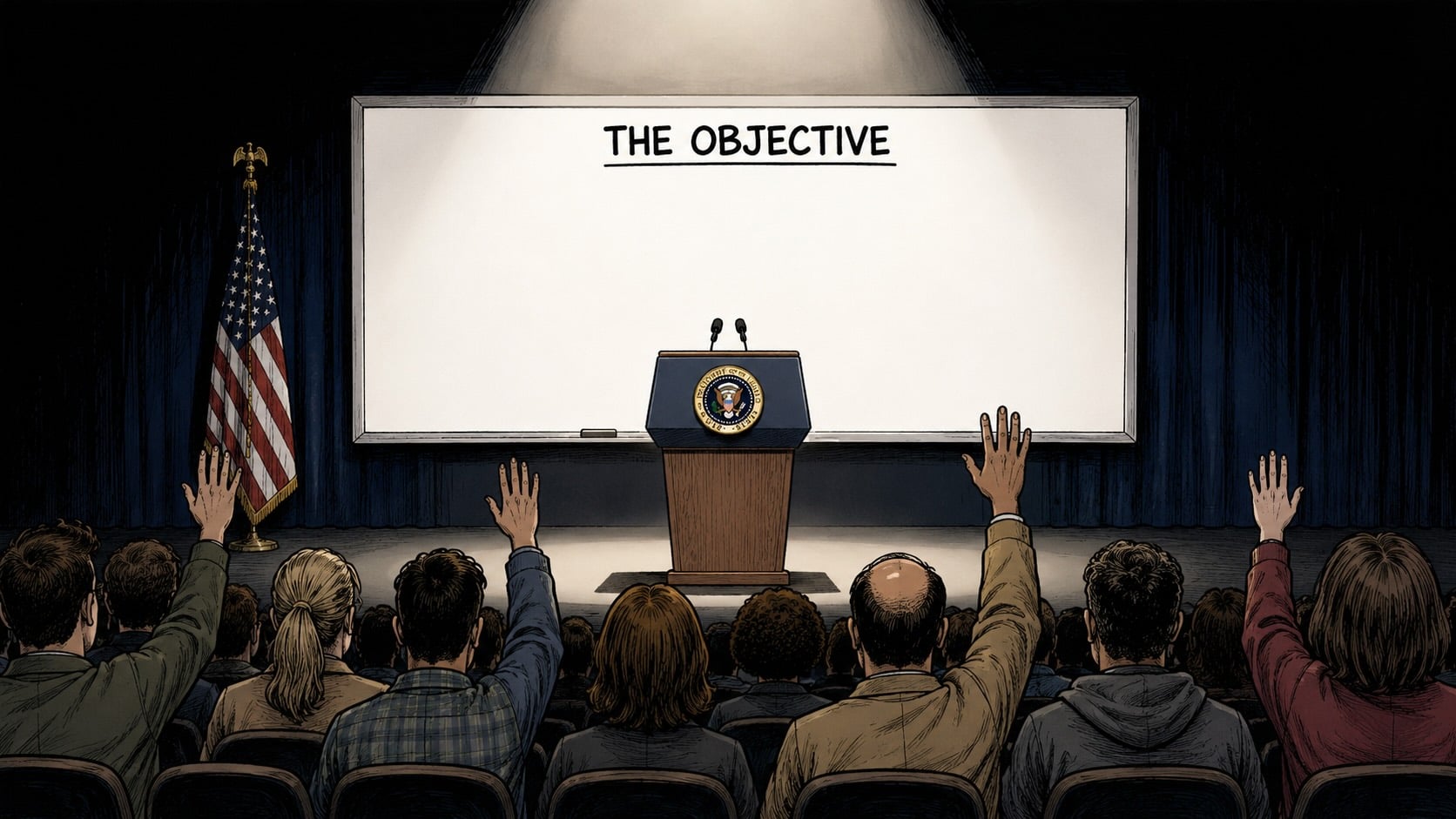
Speaker Mike Johnson defended the move by calling public media “biased” and outdated. “They pretend to be objective. They have for a long time. And the people don’t need to fund that,” he told reporters. Johnson also cited the changing media landscape, pointing to the wide availability of alternative news sources as justification for eliminating taxpayer support.
Pushback From Within the GOP
Despite White House pressure, not all Republicans support the plan for defunding PBS and NPR. Senators Lisa Murkowski, Susan Collins, and Mitch McConnell broke ranks in opposing the bill. Murkowski criticized the White House for treating Congress as a rubber stamp and warned that gutting CPB funding would hurt rural and Native communities that depend on public broadcasting for emergency alerts, educational programming, and civic information.
Senator Mike Rounds of South Dakota was initially undecided but eventually voted in favor after the administration pledged to preserve funding for tribal radio stations in his state. Rounds said these stations, many of which rely almost entirely on CPB grants, are critical for public safety in remote areas.
What Happens if The Government Succeeds in Defunding PBS and NPR?
Note, however, that the CPB does not produce content. Instead, it provides essential operating grants to more than 1,500 public television and radio stations. Without this support, many smaller stations could face deep programming cuts or complete shutdowns. While NPR and PBS receive a minority of their funding from federal grants, many local affiliates, especially in rural areas, derive more than half their revenue from CPB allocations.
If the cuts are enacted, they would begin in October. The full rescission package still needs a final vote in the Senate before returning to the House for final approval. If not passed by Friday, the original funding allocations will remain in place.
Impact on Ordinary Americans
For millions of Americans, especially in low-income and rural communities, local public stations are a primary source for weather alerts, educational shows, and local government coverage. The planned cuts would narrow access to those services. Critics argue that the savings are minimal compared to the broader budget and come at the expense of public goods.
Supporters of the rollback say defunding PBS is a necessary step in reining in federal overreach and cutting unnecessary spending. They argue that in a modern media environment, publicly funded journalism is neither essential nor neutral.
Do you support the effort to rescind funding for PBS and NPR? Tell us what you think.