
Image Source: YouTube
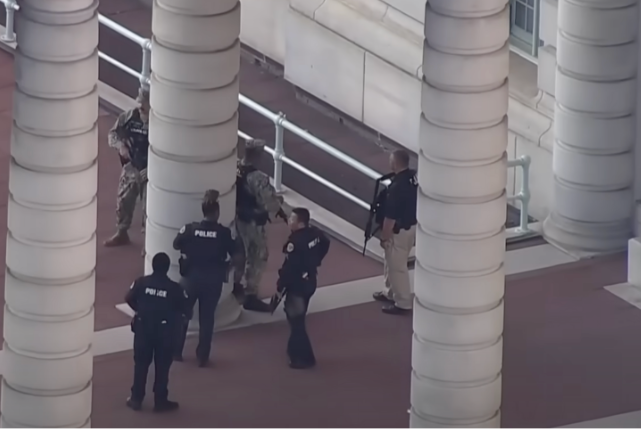
The United States Naval Academy in Annapolis, Maryland, was locked down Thursday after an anonymous online post claimed an active shooter was on campus. Military officials later confirmed the report was false, but the response injured both a midshipman and a law enforcement officer. The false shooting showed how misinformation and rushed security actions can combine to create real harm.
Naval Support Activity Annapolis received the alert at 5:07 p.m. and immediately initiated lockdown procedures. Security personnel, supported by Annapolis police, sealed the campus and moved to clear Bancroft Hall, the dormitory where all midshipmen live. Officials explained that rapid action is standard for active-shooter situations, stressing that hesitation could cost lives.
False Shooting Report Leads to Injuries
During the building sweep, officers encountered resistance that escalated into a physical altercation. A midshipman was injured in the confrontation, and a law enforcement officer was also hurt. Both were transported for treatment and later declared stable. No shots were fired, but the episode left visible consequences that extended far beyond a false alarm.
The lockdown lasted several tense hours as worried parents and Annapolis residents gathered outside the gates. Communication was limited, and rumors spread quickly online. By late evening, authorities confirmed that the campus was secure and that no gunman had ever been present. Regular operations resumed the following day, but students described the event as one of the most disruptive moments in recent memory.
A Growing Pattern of False Threats
The Naval Academy incident is part of a wider surge in hoax threats affecting schools and universities across the country. Maryland institutions have endured bomb scares and false shooter reports in recent months. Historically Black colleges nationwide have also been frequent targets of similar threats. Each case forces security officials to weigh the urgency of fast action against the risks of overreaction.
Security experts argue that swift responses remain essential, but Annapolis highlighted the dangers when misinformation drives decisions. Injuries sustained during the lockdown illustrate how even well-intended actions can cause harm when threats prove baseless. Academy officials announced they will review procedures for assessing online tips and determining how to protect students without exposing them to unnecessary danger.
Accountability Demands After Annapolis
Local leaders and military officials acknowledged the need for improvements in coordination and communication. Faster verification methods and clearer chains of command may help prevent future injuries during false alarms. Security analysts also suggested that better digital monitoring could detect hoaxes earlier, sparing communities from fear and disruption.
For midshipmen, their families, and the surrounding Annapolis community, the lockdown created lasting unease. The false shooting began with a lie, but the consequences were real. Now the question of accountability has come to the forefront, as citizens demand clarity on who should answer for what happened—the hoaxer alone, or also those whose response left people injured.
Who should be held accountable for the recent Naval Academy false shooting incident? Tell us what you think.