
Image source: YouTube
The debate over whether to federalize Washington D.C. intensified after a Monday-night assault outside Union Station sent two workers from Elon Musk’s DOGE task force to the hospital. Washington Metropolitan Police say Edward “Big Balls” Coristine, a nineteen-year-old technologist hired to identify government inefficiencies, stepped in during an attempted carjacking. Two fifteen-year-olds struck him with metal rods, stole his phone, and livestreamed part of the incident, according to a police statement. Both suspects were arrested on felony assault and robbery charges. President Donald Trump responded Tuesday, warning that continued violence could prompt him to federalize Washington D.C. and dispatch up to three thousand National Guard troops under federal command.
Rising D.C. Violence Fuels Federal Pressure
Recent shootings, carjackings, and high-profile assaults have dominated local headlines. At a White House gaggle, senior aides cited “persistent upward trends” in violent crime as justification for a possible takeover. They pointed to Article I, Section 8 of the Constitution, which grants Congress authority over the capital. Aides said the Justice Department is “reviewing federal options” but declined to give a timeline.
Mayor Brandon Todd urged collaboration, emphasizing ongoing efforts to hire more officers, expand surveillance, and support community programs. In interviews with NPR and CNN, Todd argued that stripping home rule would deny seven-hundred-thousand residents their limited local voice and risk harming city-federal cooperation.
Why Federalize Washington D.C.?
Washington D.C. is a federal district, not a state. Congress granted partial home rule in 1973, yet it kept veto power over local legislation and budgets. Unlike governors, the mayor cannot activate National Guard units without White House approval. Supporters of federalization say this structure creates gaps when local resources lag, while opponents insist that elected leaders must remain accountable for day-to-day policing.
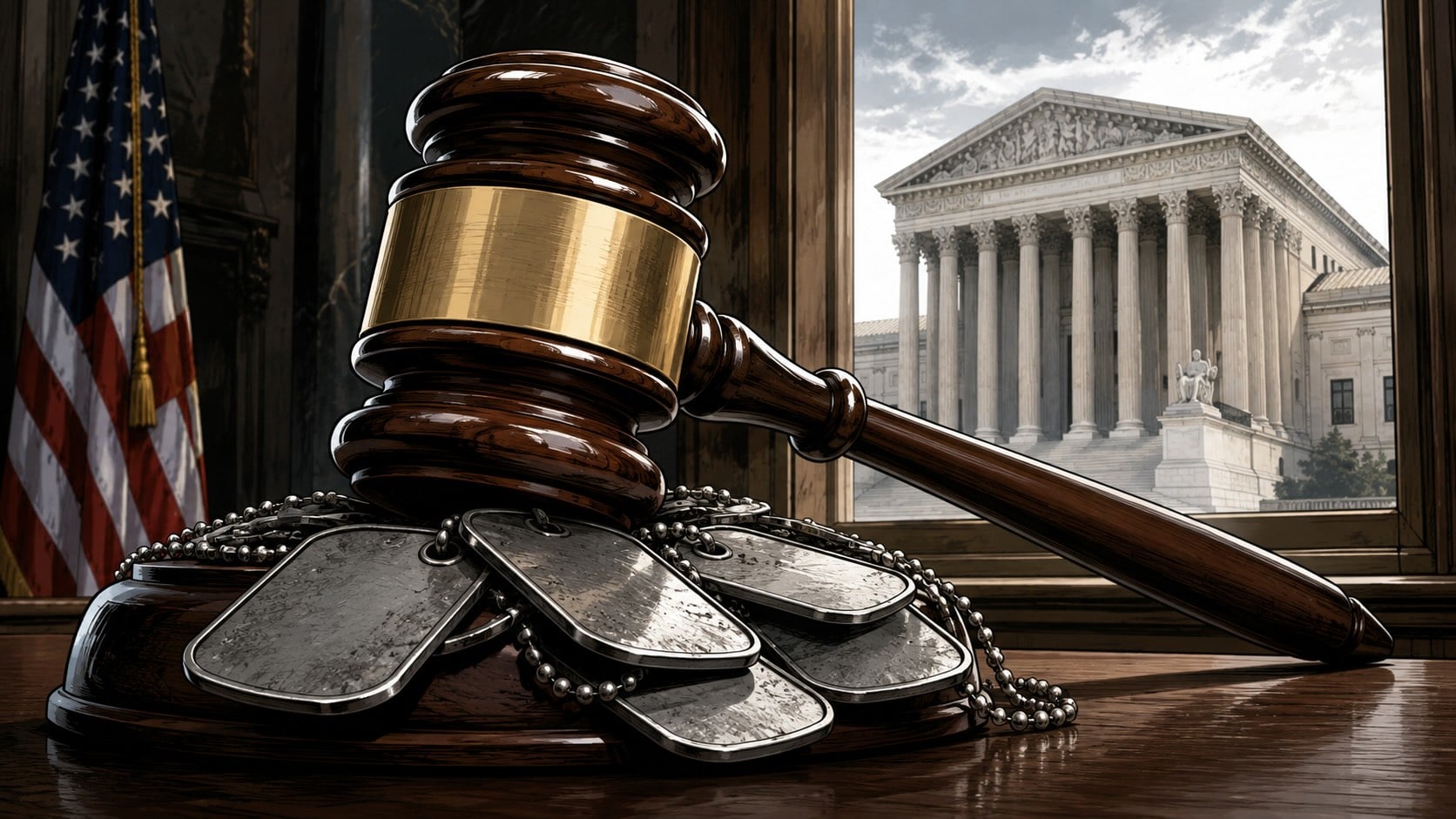
Legal scholars interviewed by The New York Times note that a president may order short-term Guard deployments under the Insurrection Act, but a lasting governance change would require legislation. That step would place the issue squarely before a divided Congress. Civil-rights groups warn that a troop presence on city streets could escalate tensions, especially during demonstrations.
Trump to Give an Ultimatum EO Before the Feds Step In
According to Politico, advisers are discussing an executive order that would let Guard units support police in designated zones, strengthen coordination with the U.S. attorney’s office, and assess whether further steps are needed. A senior official told CNN that any decision “will hinge on public-safety metrics” but gave no specifics. Local lawmakers have started drafting resolutions to protect home-rule powers, and at least one House committee chair signaled plans for oversight hearings if federalization advances.
Business leaders remain divided. Some downtown property owners welcome potential Guard patrols that could reassure late-shift workers and tourists. Restaurant associations caution that curfews or checkpoints might reduce evening foot traffic. Meanwhile, community advocates focus on victim support for Coristine and his colleague, who were released from the hospital Tuesday night, according to an NPR update citing medical personnel.
The Justice Department’s review is expected to conclude within weeks. If officials recommend federal action, the president could issue an order, seek funding for Guard deployment, and request congressional backing for any long-term change. Should city initiatives stem violence in the interim, federalization may remain a threat rather than a directive.
How should Washington D.C. tackle its surge in violent crime? Tell us what you think.