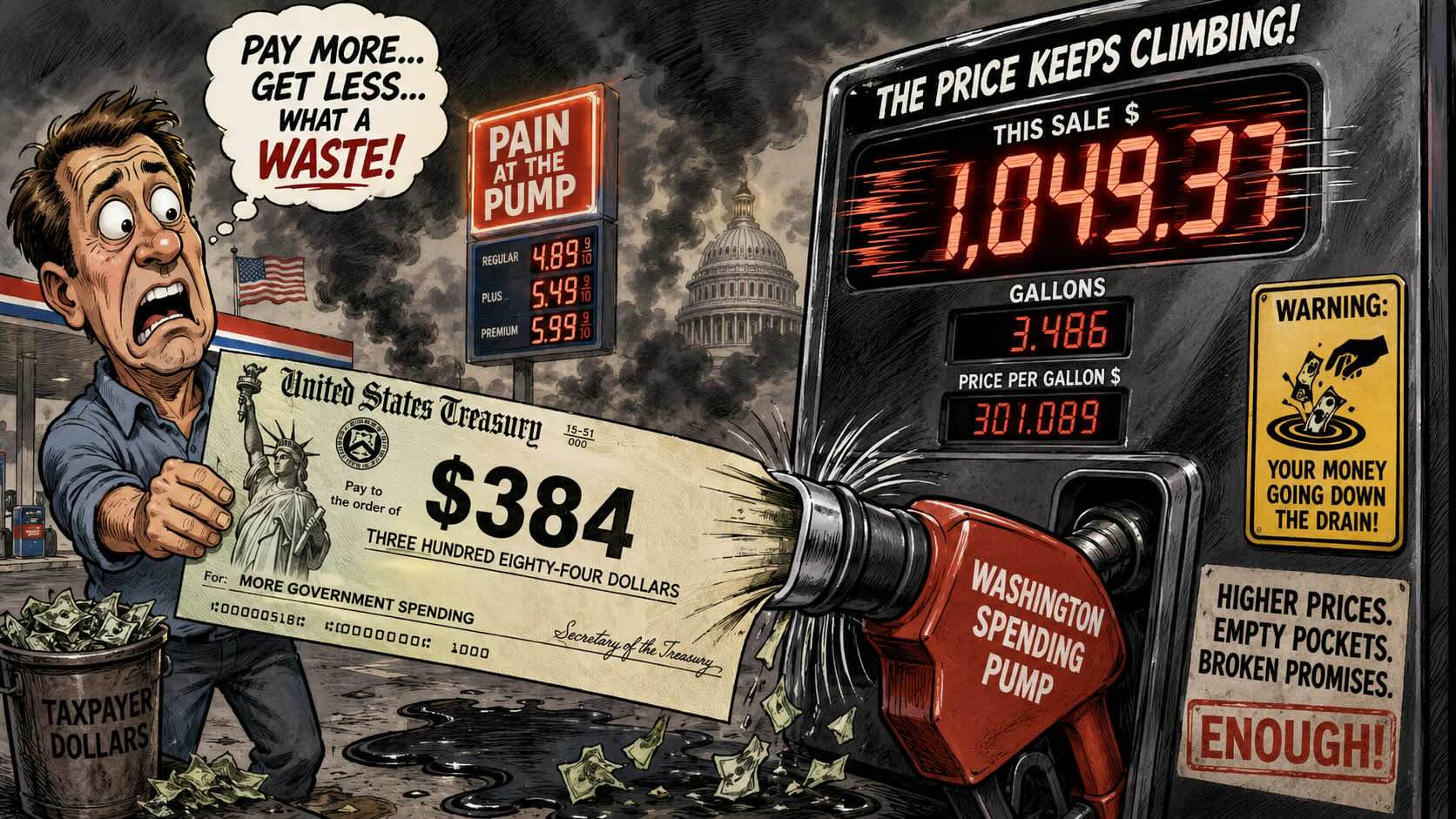

On May 29, Moody’s Analytics put a number on something millions of households were already feeling. The average American family had spent $447.19 more on energy since the Iran war began. That erased the $384 average boost from this year’s tax refund, the one the Trump administration promoted as the largest refund season in U.S. history under the Big Beautiful Bill.
That was seven weeks ago. The number has only gotten worse.
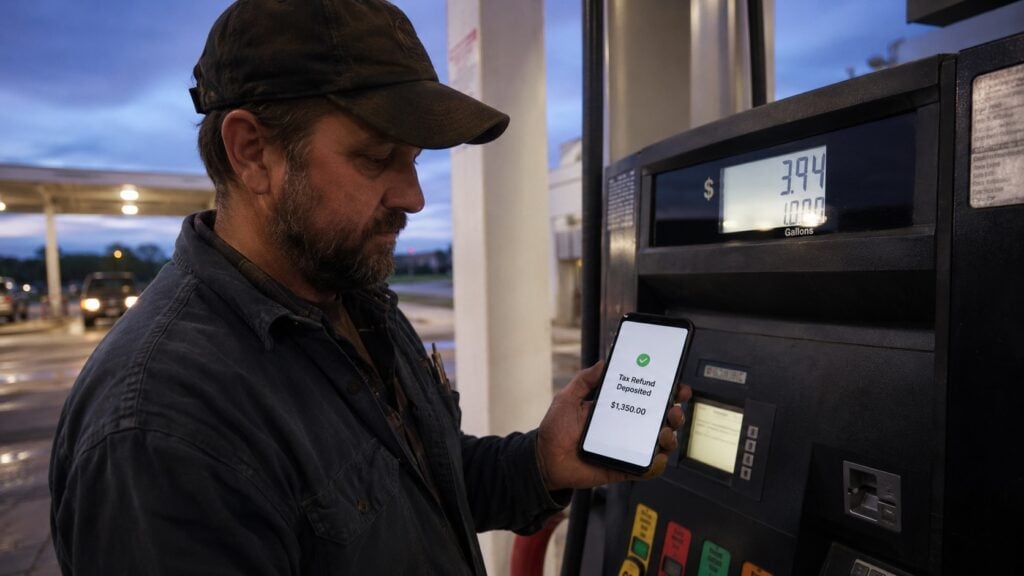
Gas peaked at $4.56 a gallon on May 21, right when Moody’s ran that calculation. A ceasefire brought relief through June, with prices dropping to $3.83 by the Fourth of July. Then the ceasefire unraveled. The U.S. military has carried out multiple waves of strikes on Iranian targets in recent days, and a naval blockade is back in place near the Strait of Hormuz. The national average sits at $3.94 a gallon as of today, climbing back toward May’s damage.
Moody’s Household Cost Estimate Has Tripled Since May
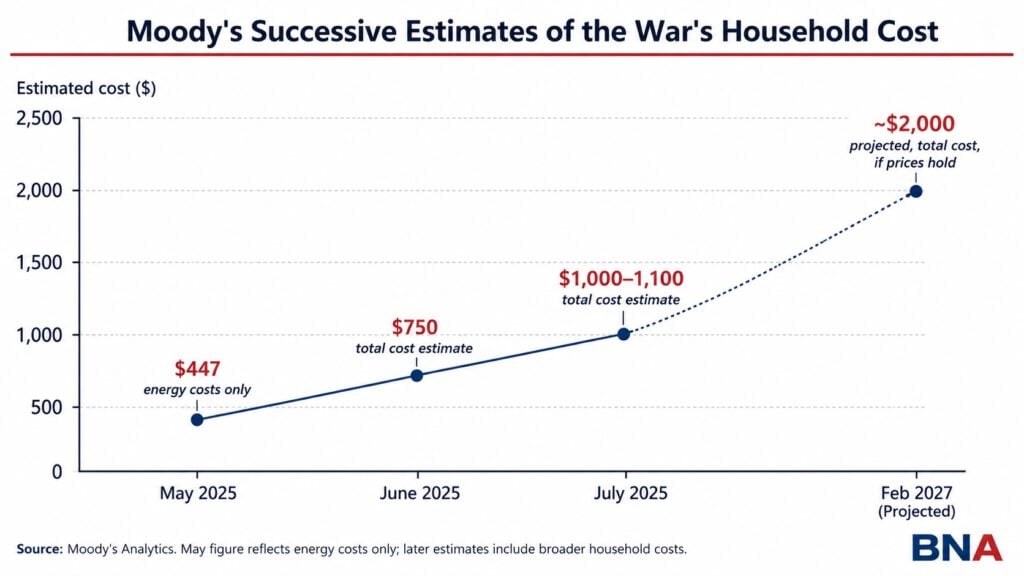
Mark Zandi, Moody’s chief economist, has updated his household cost estimate three times since the war began on February 28. In May, it was $447, energy costs alone. By June, it was $750. By July, writing in the Philadelphia Inquirer and repeating the figure on NPR, Zandi put the total household cost at $1,000 to $1,100: $300 in gas, $200 in higher grocery and shipping costs from pricier diesel, $100 in airfare, $250 in taxpayer-funded military spending, and $150 in higher interest costs from inflation that hasn’t cooled.
Zandi’s own projection: if prices hold where they are, the average household could be out nearly $2,000 by the one-year mark of the war, next February. That’s a projection, not a certainty, tied to a condition Zandi stated directly.
Why Lower-Income Households Feel It Most
Goldman Sachs found that households in the bottom income quintile spend roughly four times as much of their after-tax income on gasoline as households at the top. The same households depend more on their tax refund to cover basic expenses. When the refund gets absorbed by the pump before it ever reaches savings or debt payments, the math doesn’t just break even. It goes backward.
The Strategic Reserve Has No Room Left to Give
There’s a reason the country had so little room to absorb this shock. The U.S. Strategic Petroleum Reserve sits at roughly 319 million barrels, its lowest level since 1983. That’s not a decision made this year. It’s a cushion that wasn’t rebuilt across multiple administrations, and it means less buffer exists now if the current escalation continues.
Washington’s Response, and Why Nothing Has Passed Yet
The White House has called the price spikes “temporary disruptions” tied to Operation Epic Fury, the military campaign against Iran. Trump has posted on Truth Social that gas retailers must cut prices “IMMEDIATELY,” and predicted prices will return to “Record Low” levels once the campaign concludes. Those are administration claims about the future. The documented trend, so far, is the opposite: seven weeks of updates from Moody’s, and every one has been higher than the last.
Congress has floated a federal gas tax holiday, with Republican Sen. Josh Hawley and Rep. Anna Paulina Luna both introducing bills to suspend the 18.4-cent tax. Neither had passed as of this writing.
For a household that was told to expect the largest tax refund season in U.S. history, the ledger right now reads simply $384 in, and more than double that gone at the pump, with no fixed end date.
Frequently Asked Questions:
Is it true that high gas prices wiped out tax refund gains we made this year?
Yes, according to Moody’s. As of May 29, the average household had spent $447 more on energy since the war began, more than the $384 average refund bump.
How much has this cost me in total?
Moody’s July estimate puts the total household cost at $1,000 to $1,100, including gas, groceries, airfare, and higher interest costs tied to inflation.
Are things going to get worse?
Possibly. Moody’s projects close to $2,000 per household by next February if prices stay where they are. That’s a projection, not a locked-in number.
Why wasn’t the country better prepared for this?
The Strategic Petroleum Reserve is at its lowest level since 1983, a gap built over multiple administrations, not just this one.