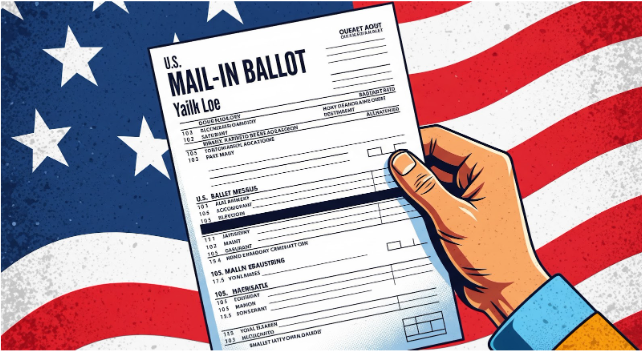

Yesterday, President Donald Trump renewed his personal attacks on mail-in ballots and vowed to end the practice of using them before the 2026 midterms. He posted a Truth Social tirade that framed the push as a national “movement” and paired it with criticism of electronic voting machines.
Previously, Republican leaders spent tens of millions of dollars in 2024 to persuade skeptical conservatives that mail-in ballots were safe and necessary for competitive turnout. That effort urged early requests, ballot tracking, and prompt returns to blunt Democratic advantages in vote-by-mail.
What an Executive Order Could and Could Not Do
States administer elections under their own constitutions and statutes, so a federal order targeting mail-in ballots would face immediate suits. Courts would weigh the Elections Clause, federalism principles, and the separation of powers well before any change reached voters. Because litigation calendars move fast in election cases, emergency motions would likely arrive within hours of an order.
Even if agencies issued guidance to narrow absentee eligibility or drop-box access, state laws and consent decrees would remain the starting point. Therefore, practical outcomes would depend on injunctions, venue choices, and how appellate panels sequence stays through fall 2026.
Trump’s Messaging Versus 2024 GOP Investment
Party strategists must now decide whether to keep promoting mail-in ballots in states where rules favor convenience and high participation. Otherwise, they risk shrinking their own early-vote pipeline while opponents bank leads through absentee returns. Meanwhile, county officials will continue to publish deadlines, signature standards, and cure procedures that campaigns must follow regardless of rhetoric.
Because many battlegrounds lean on mail-in ballots for seniors, military voters, and people with weekday constraints, operational choices carry real vote costs. Moreover, ballot harvesting rules vary by state, so campaigns must tailor training and compliance to local statutes rather than national slogans.
Two Voter Timelines in Parallel
Voters should track two timelines that now run in parallel. First, courts will decide whether any federal order can override state control of mail-in ballots before statutory deadlines. Second, state officers will update absentee guidance, including application windows, postmark rules, and curing steps. As a result, the safest path is to request and return mail-in ballots early under current state law while monitoring court orders that could narrow options.
Campaigns will not abandon mail-in ballots unless courts allow sweeping federal changes. Instead, they will adapt scripts, chase ballots with text and phone outreach, and segment messaging for frequent absentee voters. Still, confusion can depress participation, so clear instructions from election offices and campaigns matter in the final weeks.
Should states hold the line on mail-in ballots against a federal order, or should Washington set national rules for 2026? Tell us what you think.