
Quick Summary: Several Republican senators have publicly criticized President Trump’s threat to destroy Iranian civilization, but none have voted to limit his war powers. The 60-day War Powers deadline expires around April 28. Congress votes next week on a resolution that could either authorize the operation or end it. The Strait of Hormuz closure has already cost U.S. households roughly $92 each in higher fuel prices.
Republican opposition to the Iran war grew louder this week, but the votes to grant the President war powers have not moved.
A handful of Republican senators went on the record to say President Donald Trump crossed a line. Sen. Lisa Murkowski of Alaska called his threat to annihilate Iranian civilization “an affront to the ideals our nation” stands for. In a podcast, Sen. Ron Johnson of Wisconsin said that he hoped Trump was “using this as bluster.” Sen. John Curtis of Utah wrote publicly that he would not support funding the war past 60 days without a congressional vote. Sen. Susan Collins of Maine said boots on the ground would require House authorization. Rep. Nancy Mace of South Carolina posted she would not back ground troops “even more so after this briefing.”
Strong words. Every one of them was placed on the record.
Now check the votes. Murkowski and Johnson have both voted against every Democratic war powers resolution brought to the Senate floor. The gap between what these Republicans are saying and what they are doing in their official capacity is not a small one. It is the whole story. Will the Republican opposition to the Iran War amount to something? More importantly, should it?
The 60-Day War Powers Deadline Is Three Weeks Away
Operation Epic Fury began on February 28. The 1973 War Powers Resolution gives any president 60 days before Congress must either authorize operations or they must end. That deadline for Trump lands on April 28, three weeks away.
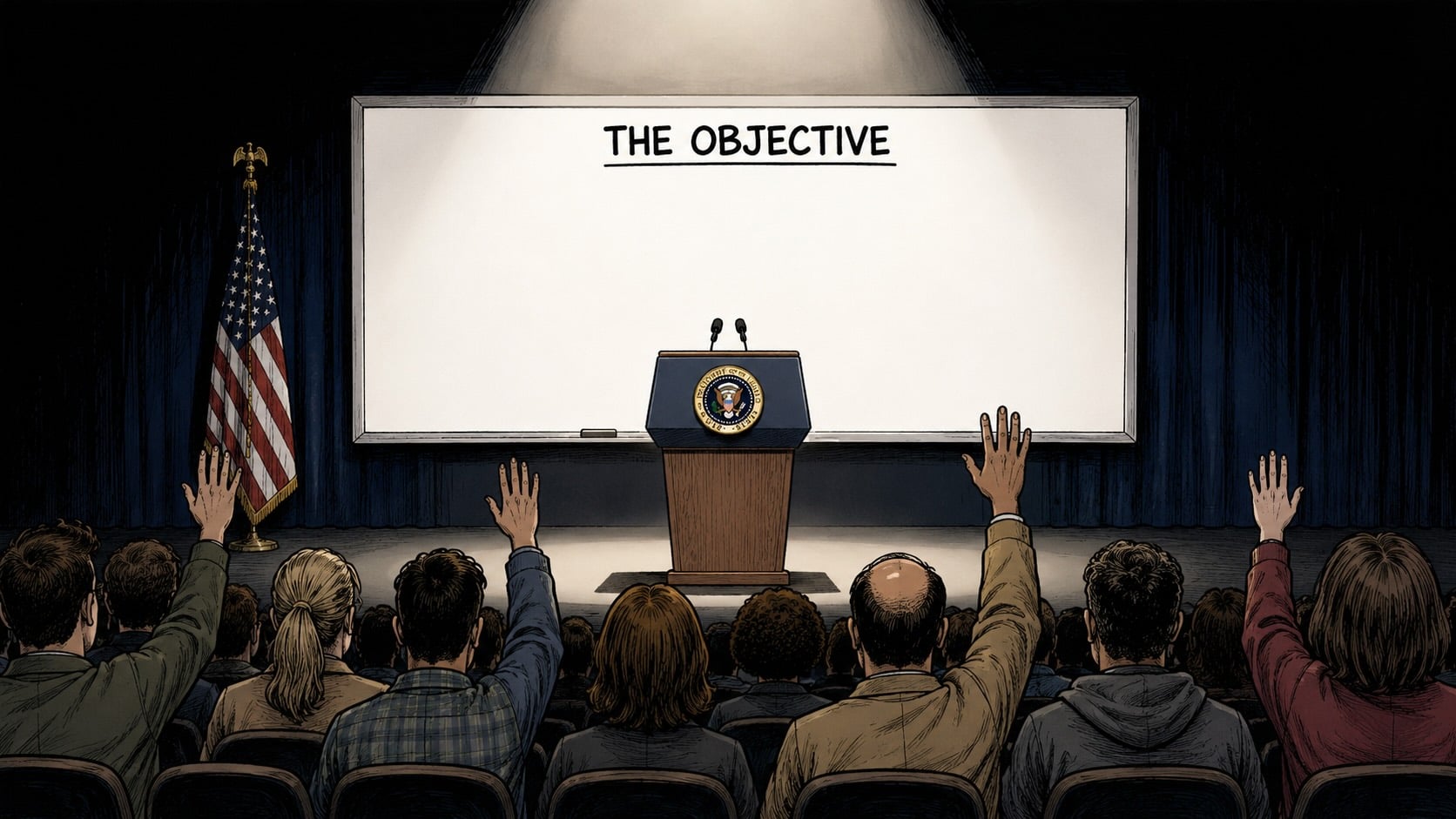
Congress returns this week. Senate and House Democrats will force war powers resolution votes. In the last House vote in early March, two Republicans crossed over. Three Democrats who previously opposed the measure have since indicated they may switch, which shifts the math.
Rep. Mike Rogers of Alabama chairs the House Armed Services Committee. He left a closed-door Pentagon briefing this week, telling reporters the administration needs to be “more forthcoming,” then sent a follow-up text making clear his frustration had “NOTHING to do with Operation Epic Fury” and that he fully supports the operation.
That is the tell. When the most powerful committee member on war funding separates his frustration from his support, the Republican Party’s fracture has a ceiling.
Republican Opposition to the Iran War Is Also Opposition to Your Gas Bill
This is not a story that stays overseas.
The American Enterprise Institute estimated the Strait of Hormuz disruption has already cost U.S. households roughly $92 each in higher fuel prices through April 1. Fertilizer cost spikes are running $131 million above normal for U.S. farmers, and those costs move to the grocery shelf. One outside estimate puts the total war cost so far at nearly $30 billion. The White House has not provided a detailed accounting.
One young conservative put the personal calculation directly: “We remember what 2022 was like. We had high gas prices. We had the threat of military intervention in a European war. And we’re not falling for the same trap.”
That sentiment is showing up in the polls. Fox News found 90% of MAGA Republicans support the Iran operation. Among non-MAGA Republicans, that number drops to 52%.
Johnson and Thune Haven’t Said a Word about Growing Republican Opposition to the Iran War
Speaker Johnson and Majority Leader Thune have said nothing publicly about Trump’s “whole civilization” statement. They control the floor schedule. Their silence is not neutral. It is a decision about what gets a vote.
The war powers resolution next week is the only number that matters right now. If Republicans who called Trump’s rhetoric an affront vote no anyway, the fracture is talk. If three or four cross over, the math on the $200 billion war funding request changes.
April 28 is the legal deadline. Your gas bill is already in the story. Republican opposition to the Iran war is real. The question is whether the people you voted for will put their votes where their statements have been.
If you want to understand what is actually driving this conflict and what U.S. involvement in Iran has historically cost, this book is the best place to start.


As an Amazon Associate, we earn from qualifying purchases. This does not influence our editorial coverage.
Frequently Asked Questions
Which Republicans have publicly broken with Trump on Iran?
Six members went on record: Sen. Lisa Murkowski (R-AK), Sen. Ron Johnson (R-WI), Sen. John Curtis (R-UT), Sen. Susan Collins (R-ME), Rep. Nancy Mace (R-SC), and Rep. Kevin Kiley (I-CA, formerly Republican). All criticized Trump’s “whole civilization” threat. None have voted for a war powers resolution.
What is the 60-day War Powers clock?
The 1973 War Powers Resolution requires the president to end military operations within 60 days unless Congress authorizes them. Operation Epic Fury began on February 28, putting the legal deadline around April 28. Congress votes on a war powers resolution next week when it returns from recess.
How is the Iran war affecting gas and grocery prices?
The American Enterprise Institute estimates the Strait of Hormuz closure has cost U.S. households roughly $92 each in higher fuel costs through April 1. U.S. farmers are absorbing $131 million in extra fertilizer costs. Both figures are already reflected in current prices, not future projections.
Are Republican leaders in Congress pushing back on Trump?
No. Despite growing Republican Party opposition to the Iran war, Speaker Johnson and Majority Leader Thune have not publicly commented on Trump’s “whole civilization” threat. Both control the congressional floor schedule. Without a move from leadership, the War Powers Resolution next week is expected to fail the same way previous attempts have.