
Image Source:YouTube
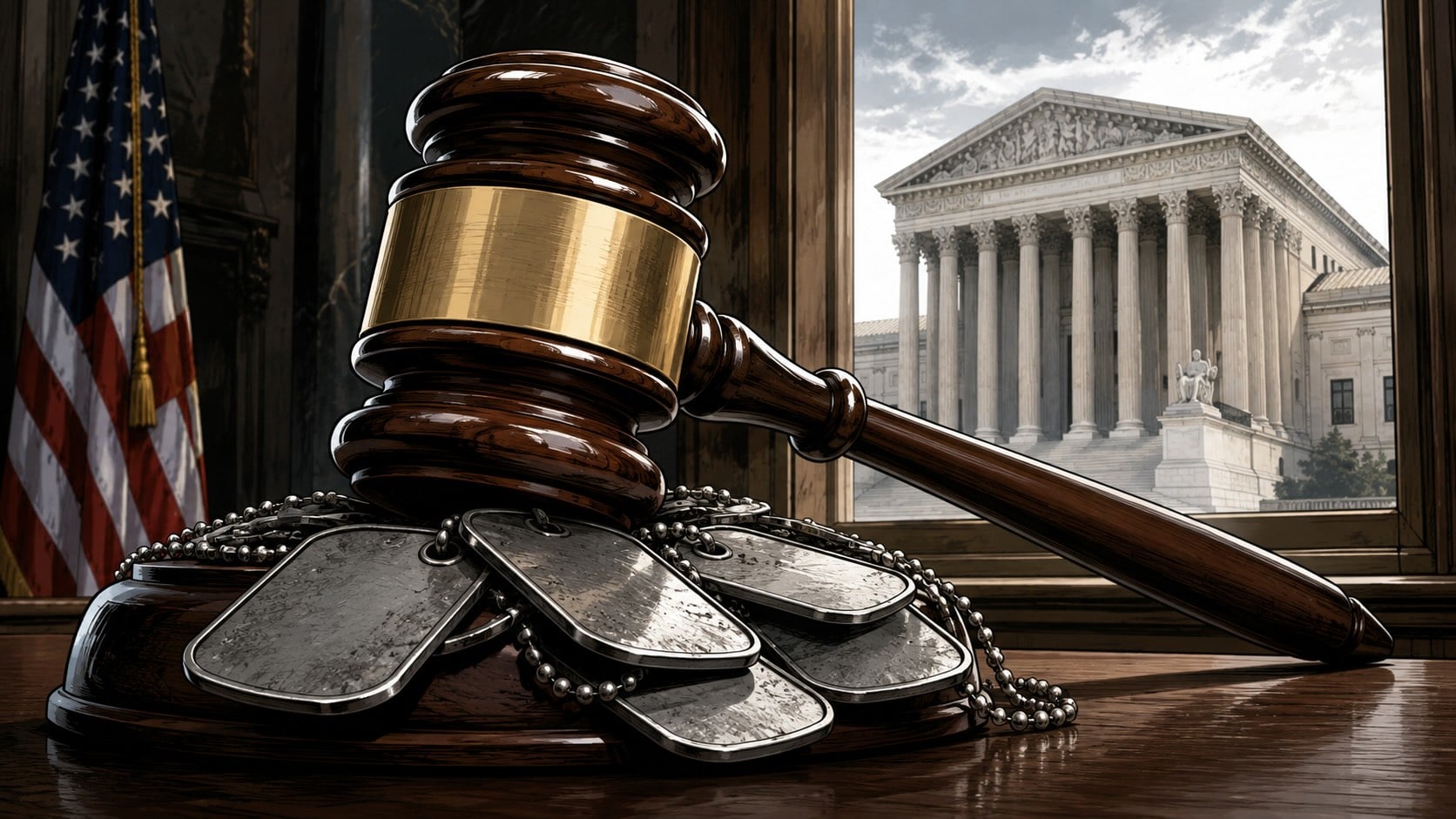
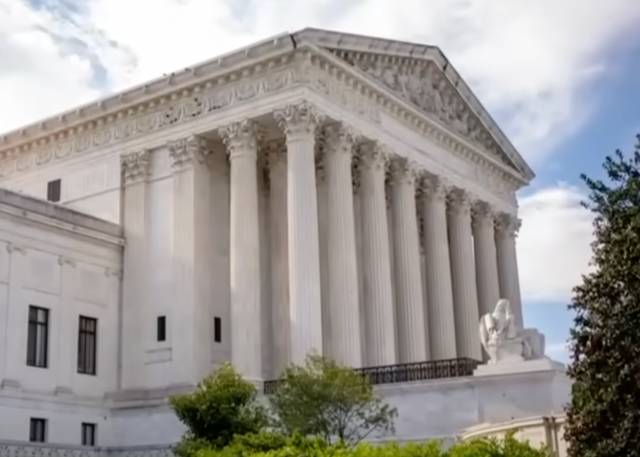
The Supreme Court’s recent decision to permit the Trump administration’s immigration raids in California has sparked heated debate across the country.
Advocacy groups challenged the raids, arguing that federal officers stopped suspected illegal immigrants without proper justification. In its ruling, the Court sided with the administration, opening the door for continued enforcement actions that critics see as harmful to immigrant communities.
Justice Brett Kavanaugh, writing for the majority, clarified the Court’s position on racial profiling concerns. He stressed that ethnicity alone cannot serve as the basis for suspicion. At the same time, he explained that ethnicity can be considered a factor when combined with other indicators. This statement has drawn scrutiny from civil liberties groups who fear it creates room for discriminatory practices, despite the Court’s assurance that limits remain in place.
Federal Authority and State Resistance
The Trump administration has consistently argued that immigration enforcement is a matter of federal jurisdiction, not state control. California’s government has long resisted such actions, passing sanctuary laws to restrict cooperation between local law enforcement and federal agents. The Supreme Court ruling now weakens the state’s ability to limit immigration raids, reinforcing Washington’s authority to set policy even when states disagree.
The ruling also signals a broader shift in how the Court views the balance of federal and state power in immigration matters. While California officials warned of damage to community trust, the administration celebrated the decision as a necessary tool for public safety. Supporters argue that immigration raids target individuals who may pose risks, while critics counter that families and long-time residents often become collateral damage.
Legal and Political Implications
The Court’s decision is expected to fuel new political battles in California and across the nation. Immigrant rights advocates have vowed to continue challenging what they call racial profiling in disguise. They argue that the ruling legitimizes selective enforcement and undermines constitutional protections against unreasonable searches and seizures.
Politically, the decision arrives at a sensitive moment as immigration policy continues to dominate national debates. For the Trump administration, the ruling is a victory that reinforces its stance on strict border control. For California leaders, it is another test of their commitment to sanctuary policies and their willingness to confront federal power directly.
Impact on Communities
The immediate impact of renewed immigration raids will be felt most strongly in California’s migrant communities. Families already living under fear of detention now face greater uncertainty. Community organizations warn that the raids could discourage residents from seeking medical care, reporting crimes, or sending children to school out of fear of detection.
At the same time, supporters of the Court’s decision argue that federal officers are acting within the law and focusing on those who entered the country illegally. They believe the raids are a necessary step to restore order and uphold immigration laws. The divide between these perspectives underscores the continuing tension between national security priorities and the protection of civil liberties.
Looking Ahead
The Supreme Court’s decision ensures that immigration raids will continue in California, but the debate over their fairness is far from resolved. Advocacy groups plan to monitor how federal officers apply the ruling in practice, ready to bring new challenges if patterns of discrimination emerge. The ruling also sets a precedent that could influence enforcement in other states, further intensifying national debates about immigration and constitutional rights.
As the raids proceed, both supporters and opponents will look for evidence to bolster their arguments. For now, immigrant communities brace for heightened enforcement, while political leaders on both sides prepare for the next chapter in a battle that shows no sign of ending. Do you believe the Supreme Court’s decision on immigration raids strikes the right balance between enforcement and civil rights? Tell us what you think.