
Image Source: YouTube
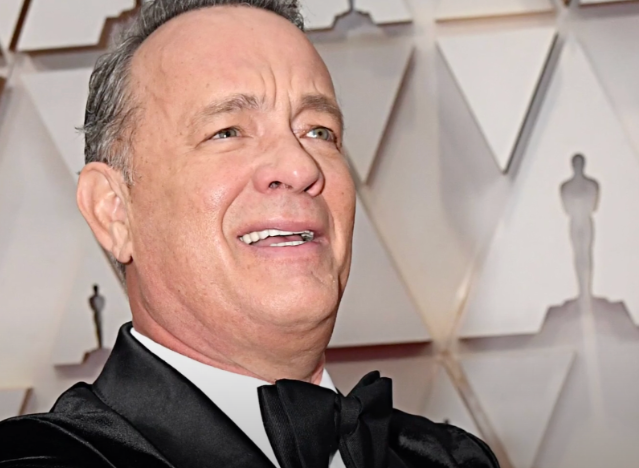
The West Point Association of Graduates has canceled a planned ceremony honoring Tom Hanks with the Sylvanus Thayer Award, just weeks before it was scheduled to take place. The announcement, reported by the Washington Post and confirmed by various news outlets, fueled speculation about the reasons behind the reversal. The award, first given in 1958, recognizes an “outstanding citizen of the United States whose service and accomplishments in the national interest exemplify personal devotion to the ideals expressed in West Point’s motto: Duty, Honor, Country.” Hanks, a two-time Academy Award winner, was announced as the 2025 recipient in May. His career in film and public life has often been tied to portrayals of American history, military service, and civic responsibility.
Reversal Sparks Debate
The decision to withdraw the honor comes at a time when public recognition of cultural figures is often seen through partisan lenses. While the alumni association has not publicly explained the cancellation, reports suggest internal disagreements about Hanks’ political views may have played a role. His past support for voting rights initiatives and outspoken political positions have drawn both praise and criticism.
Observers note that the award’s purpose is to celebrate devotion to national ideals rather than political alignment. Critics of the cancellation argue that the association’s move undermines the values of service and unity the award was meant to highlight. Supporters counter that the alumni organization retains discretion over its choices and that decisions should reflect its membership.
History and Impact of the Sylvanus Thayer Award
The Sylvanus Thayer Award previously went to presidents, generals, and public leaders whose careers reflected commitment to the United States. Past recipients include Dwight D. Eisenhower, Margaret Thatcher, and former Supreme Court Justice Sandra Day O’Connor. By adding cultural figures like Hanks to the roster, West Point expanded the award’s scope to include contributions through art and public storytelling.
Canceling the 2025 event has revived questions about how West Point defines “service in the national interest” and whether the award should remain focused on military and political leaders. Alumni are reportedly divided, with some pressing for transparency on the decision while others argue that private associations should not be forced to honor figures who may not reflect their values.
For Hanks, the abrupt cancellation adds a complicated note to a career often tied to depictions of American duty and sacrifice. Whether the association’s decision will influence his public standing remains unclear, but the move has already sparked national discussion about politics, tradition, and who gets to define civic honor.
Should organizations like West Point adjust their honors based on a recipient’s political views? Tell us what you think.