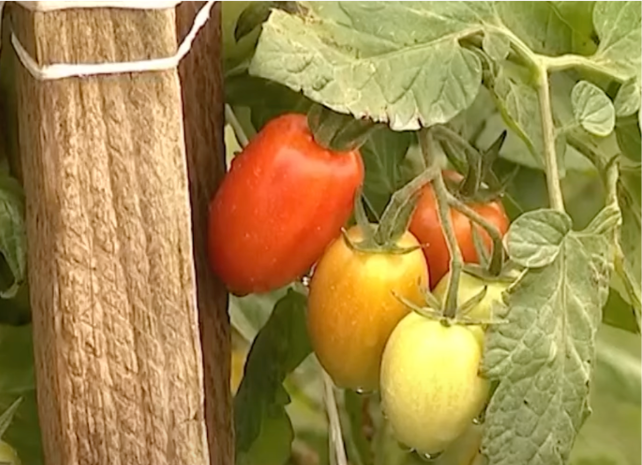

Source: YouTube
The Trump administration has ended a longstanding trade agreement with Mexico and will now impose a 17% tariff on most fresh tomato imports. Officials announced the move Monday, citing years of undercut pricing that hurt American farmers. The United States currently imports roughly 70% of its tomatoes from Mexico, according to the Florida Tomato Exchange.
Commerce Secretary Howard Lutnick defended the policy shift as necessary to restore balance. “Mexico remains one of our greatest allies, but for far too long our farmers have been crushed by unfair trade practices that undercut pricing on produce like tomatoes. That ends today,” he said in a statement.
Tariffs Expected to Impact Tomato Prices and Demand
Tomato prices may soon reflect the new trade barrier. Field-grown tomatoes cost about $1.70 per pound as of May 2025. Timothy Richards, agribusiness professor at Arizona State University, projects a retail price increase of nearly 10% as a result of the duty, with demand falling by about 5%. In regions more dependent on Mexican imports, consumers could see prices climb even higher. The Florida Tomato Exchange called the policy a major win for domestic agriculture. “This is an enormous victory for American tomato farmers and American agriculture,” said the group’s vice president, Robert Guenther.
But restaurant owners, importers, and grocery executives are warning of disruption. California restaurateur Teresa Razo said the new duty could force her to raise menu prices or cut staff. “I give it three months, and then we go bankrupt,” she told CNN.
A Collapse of the 2019 Tomato Suspension Agreement
The tariff ends the 2019 Tomato Suspension Agreement, which required Mexican growers to follow pricing rules to avoid anti‑dumping penalties. The Commerce Department had announced in April that it would exit the deal after receiving complaints that it failed to protect American growers. The original plan involved 20.9% duties, but the final tariff was set at 17%.
U.S. growers claim repeated violations made the agreement ineffective. Supporters of the duty argue that technological improvements and domestic production diversity can meet demand. However, groups like the U.S. Chamber of Commerce disagree. They say the decision jeopardizes an $8.3 billion supply chain and could trigger retaliation.
Consumer Prices and Food Industry Effects
Tomatoes are a grocery staple and a base ingredient in countless dishes. Many U.S. companies rely on imported varieties such as Romas, grape tomatoes, and vine‑ripened types. The Fresh Produce Association of the Americas said, “We are saddened that American consumers will have to pay a tomato tax for a reduced selection of the tomatoes they prefer.”
Some businesses may absorb the extra costs to retain customers, but that won’t be sustainable across the industry. California’s Apollonia’s Pizza, for example, uses Mexican tomatoes for toppings and California‑grown tomatoes for sauce. Owner Justin De Leon said he’s watching the market closely but hopes the situation stabilizes soon.
Not all companies will be affected equally. Heinz, for example, uses only domestically grown tomatoes in its ketchup, and DiGiorno pizzas use sauces made from California tomatoes. Still, the broader restaurant and grocery sectors expect cost pressures, particularly in areas where Mexican imports dominate.
Will Mexican Tomato Producers Retaliate?
Mexico’s government criticized the move as unfair and counterproductive. Officials said the growth in tomato exports stemmed from quality, not manipulation. Mexico’s economic ministry signaled ongoing negotiations, but warned the tariff would “only affect the pockets of American consumers.”
Analysts say the risk of retaliation remains. If the trade conflict escalates, more U.S. goods could face foreign duties, complicating the domestic economy. Federal Reserve Chair Jerome Powell told lawmakers that tariffs would likely push prices higher but noted the scale of consumer impact remains unclear.
How do you deal with the rise in tomato prices? Tell us what you think!