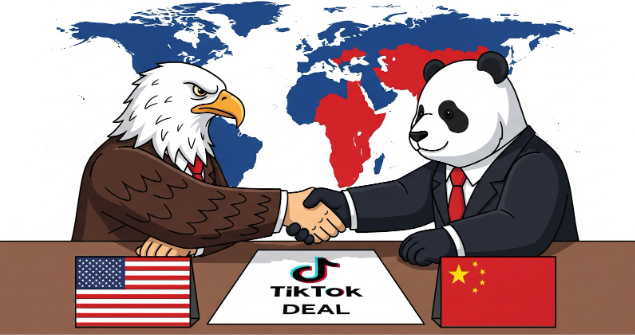

U.S. President Donald Trump and Chinese leader Xi Jinping are scheduled to hold a phone call Friday to finalize the long-awaited TikTok deal. The agreement would separate the video app from its Beijing-based parent company, ByteDance, in order to avoid a ban in the United States. The arrangement comes after years of tension over TikTok’s ownership, security risks, and influence on American culture.
The call is expected to confirm the outline of the deal, which would force ByteDance to give up control of TikTok’s U.S. operations. U.S. officials have long raised alarms that Chinese ownership could expose American user data to Beijing’s government. For the Trump administration, the deal provides a chance to claim victory on both national security and digital safety. For Xi, it is a step toward easing tensions with Washington without losing China’s pride in its most successful global app.
Why TikTok Became a Flashpoint
TikTok’s immense popularity turned it into more than just a social media platform. With over 170 million U.S. users, it became a cultural hub for news, trends, and political expression. Lawmakers warned that Chinese ownership posed unacceptable risks. ByteDance denied that claim, insisting data was stored securely and insulated from Beijing. Yet the app’s influence during elections and protests kept it under scrutiny.
Previous attempts to force a sale stalled in the courts, leaving the company in limbo. Trump has now pushed harder, arguing that a formal deal is the only way to resolve the issue. Supporters in Congress say the agreement would protect Americans while keeping TikTok available. Critics warn that such a move could expand government control over what citizens use online.
What Comes Next if the Deal Is Sealed
If the TikTok deal goes through, U.S.-based management would oversee data storage, algorithm safeguards, and user protections. The administration argues this will end security concerns while preserving the platform’s cultural role. ByteDance may retain a limited interest, but decision-making authority would shift to American oversight.
The outcome of Friday’s call could ripple beyond TikTok. Analysts say the deal may influence future technology disputes between Washington and Beijing. It could also shape broader trade talks, where tariffs and market access remain contentious. If successful, the agreement could demonstrate that both governments are willing to compromise, at least temporarily, in an otherwise strained relationship.
Still, doubts remain. Some lawmakers believe China will resist full divestment, while others warn the U.S. may accept only symbolic changes. Legal challenges from ByteDance could continue even after the call. For citizens, the uncertainty means TikTok’s fate will remain unresolved until concrete steps are visible.
Should the U.S. move forward with the TikTok deal? Tell us what you think.