
President Donald Trump signed an executive order Monday directing the Justice Department to pursue prosecutions against those who burn the American flag. The move fulfills one of Trump’s long-standing promises to defend national symbols and push back against acts of protest that many Americans view as disrespectful.
The executive order, published on the White House website, instructs federal prosecutors to bring charges under existing statutes whenever flag burning occurs on federal property or in connection with federally funded activities. Trump described the measure as a defense of patriotism, saying that no American should stand by while the nation’s flag is desecrated.
Supporters of the order argue that flag burning is not speech but an attack on the country itself. They contend that strong measures are needed to protect the symbols of freedom that countless Americans have fought and died for. Conservative commentators immediately praised the move as long overdue, calling it a clear statement that respect for the flag is central to American unity.
Trump Defends the Flag as a National Symbol
Trump has repeatedly framed flag burning as unpatriotic and corrosive to national identity. At the signing, he said that protecting the American flag is about honoring veterans, service members, and ordinary citizens who see the flag as a sacred emblem of the nation’s sacrifices. His administration emphasized that other democracies enforce strict rules against desecration of national symbols, suggesting the United States should follow suit.
The president also linked the action to broader themes of law and order, portraying the executive order as a safeguard against chaos in public spaces. The order comes amid an election-year push to highlight contrasts between Trump’s agenda and progressive policies he argues weaken American traditions.
Legal and Political Challenges Ahead
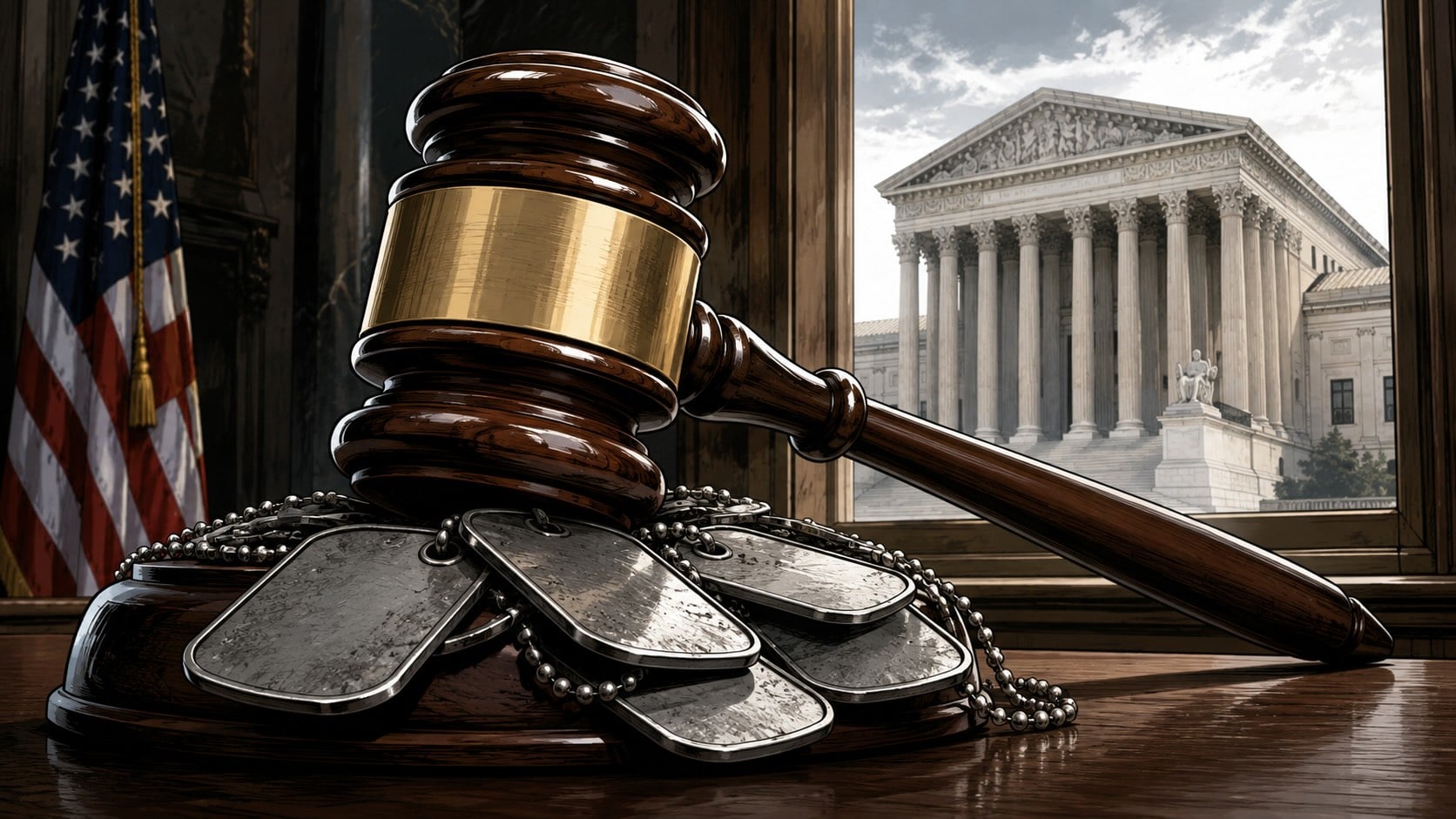
Despite the symbolism, the order faces immediate constitutional hurdles. The Supreme Court ruled in Texas v. Johnson (1989) that burning the American flag qualifies as protected political expression under the First Amendment. Legal experts say Trump’s directive will likely trigger lawsuits, with courts forced to determine whether federal prosecutors can act on cases the Court has already said fall under free speech.
Democratic leaders quickly denounced the move as political theater. Critics said Trump is manufacturing controversy to appeal to his base while ignoring more pressing issues. Civil liberties groups vowed to challenge the order in court, calling it a violation of free expression.
Governor Gavin Newsom of California described the executive order as “an unconstitutional stunt,” while Senator Dick Durbin of Illinois argued that patriotism cannot be legislated. The American Civil Liberties Union issued a statement calling the move “a direct attack on the First Amendment.”
A Political Battle Over Patriotism
The order has already sparked a national debate over where the line between patriotism and free speech should be drawn. For Trump’s supporters, the issue is clear: defending the American flag reflects core values of loyalty and respect. For his critics, the action represents government overreach and a disregard for established constitutional law.
Whether the executive order withstands legal challenges remains uncertain. What is clear is that Trump has placed the flag at the center of his political message, reinforcing his appeal to voters who see themselves as defenders of traditional American values.
Should flag burning be prosecuted as a crime, or does the First Amendment make it untouchable? Tell us what you think.