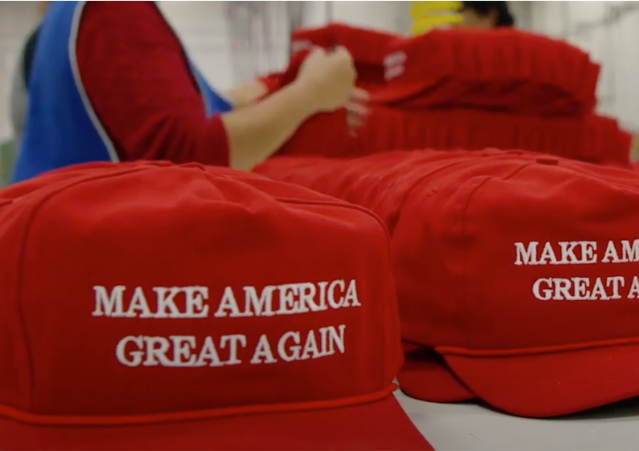

Source: YouTube
The Trump Organization is suing online vendors over fake MAGA merchandise, citing trademark violations on marketplaces including Amazon, Walmart, and eBay. The complaint, filed in federal court in Florida, accuses unnamed sellers of flooding these platforms with knockoff goods featuring Trump-related branding. These allegedly unauthorized products range from hats and mugs to shirts and flags, many of which use slogans such as “Trump 2028.”
This lawsuit represents the latest step in President Donald Trump’s long-standing effort to monetize his brand and protect its commercial value. The Trump Organization currently offers official merchandise, including a gold T1 smartphone, through its own storefront. According to filings, the company claims that the sale of counterfeit goods misleads consumers and damages the integrity of the brand. The legal team is pursuing a Schedule A case, which allows them to target numerous sellers in bulk and potentially recover damages through settlements without incurring extensive legal fees.
MAGA Merchandise Profits Spark Legal Action
Sales of Trump-branded products have proven to be a lucrative enterprise. According to marketing data from Omnisend, nearly 9,000 sellers on Amazon generated around $140 million in revenue in the months leading up to the previous election. This includes a wide array of items, from novelty toilet paper and calendars to coffee mugs and campaign memorabilia. Of course, the popularity led to an outbreak of fake MAGA merchandise from opportunists wishing to make a quick buck.
By contrast, products linked to Kamala Harris pulled in only $26 million during the same period. The disparity highlights the popular demand for Trump-related merchandise, particularly among his base. However, this demand also attracted opportunistic third-party sellers looking to profit from the MAGA label without authorization.
The Trump Organization argues that the availability of fake MAGA merchandise on major retailer sites undermines the brand’s legitimacy. As part of the lawsuit, it is asking the court to compel online platforms to shut down the vendors’ accounts and destroy the fake inventory. Amazon, Walmart, and eBay have yet to comment on the case.
Trump’s Trademark Strategy and the MAGA Brand
Trump’s brand is one of the most visible political trademarks in America. Over the years, his organization has registered dozens of trademarks under the TRUMP and MAGA names, including for use on clothing, accessories, mobile phones, and even sports equipment. Beyond political memorabilia, his business empire has expanded to include golf courses, real estate, and digital ventures.
Official sales have become a significant revenue stream. While exact figures vary by year, licensing deals and merchandise sales have contributed millions of dollars to the Trump Organization’s bottom line. Legal experts note that protecting the MAGA brand helps preserve not just profits but the political identity attached to Trump’s image. It is also a way to centralize control over messaging ahead of the 2026 midterms and the 2028 campaign cycle.
Wider Implications for Online Marketplaces
The case against fake MAGA merchandise taps into broader issues about online commerce. Marketplaces like Amazon and eBay have faced growing pressure to crack down on counterfeit goods, particularly in high-profile categories such as fashion, electronics, and now politics. In 2023, Amazon alone removed over six million suspected counterfeit listings. However, enforcement remains uneven and often reactive.
The Trump Organization’s decision to seek legal relief using Schedule A litigation follows a pattern seen in trademark enforcement circles. It allows plaintiffs to go after entire networks of sellers using a single filing, which can be effective when large platforms struggle to police third-party listings proactively.
For Trump supporters, this case also brings attention to the importance of buying officially licensed products. Beyond authenticity, the lawsuit signals a warning to fake MAGA merchandise vendors hoping to ride the right-wing wave without securing permission. For major platforms, the fallout could lead to tightened listing policies around politically branded items.
Do you agree with Trump’s decision to trademark and monetize the MAGA movement? Tell us what you think!