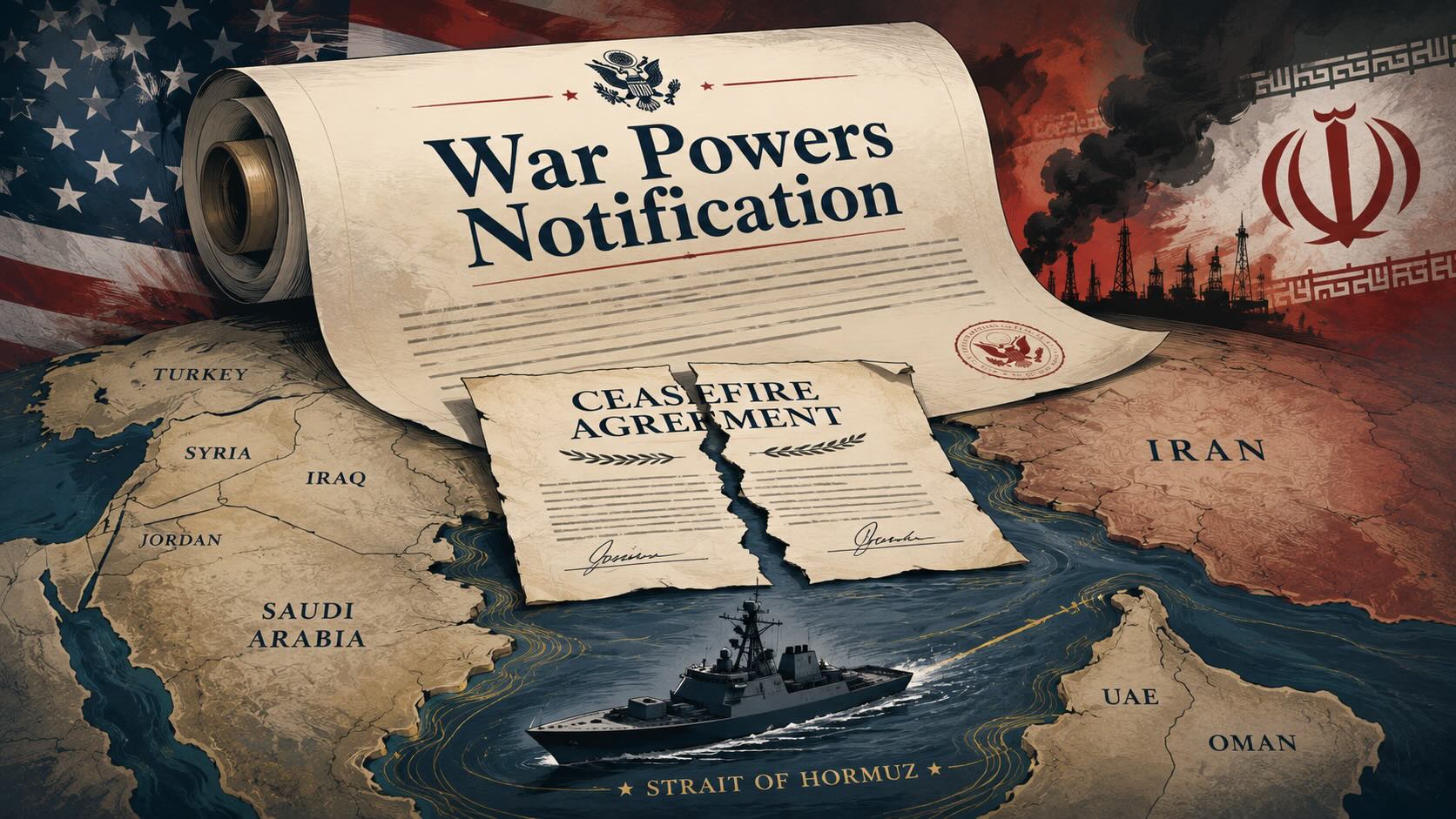

President Donald Trump has formally notified Congress that the United States resumed military action against Iran, ending a ceasefire that had held since April. The two-page letter dated July 10 tells lawmakers the strikes began July 7 after Iran attacked commercial ships transiting the Strait of Hormuz. The letter is the clearest sign yet that the deal Washington and Tehran signed in June has broken down.
Why Did the Ceasefire Collapse Into Resumed Military Action Against Iran?
According to CBS News, Trump’s letter reported that Iran struck neutral-flagged vessels in the Strait on July 6 and 7, violating the June memorandum of understanding. BNA covered the ceasefire’s decline in real time as talks between Washington and Tehran started fraying weeks earlier. The president said he ordered “defensive strikes” on Iranian military and coastal targets in response, and he declared the April ceasefire over during remarks at the NATO summit the same week.
U.S. Central Command said forces have now struck Iran on three consecutive nights, hitting sites including Bushehr, Bandar Abbas, and Abu Musa. Iran’s Revolutionary Guard says it disabled two tankers it called “rogue” for ignoring warnings in the Strait. The UAE says Iranian missiles also hit two of its tankers, killing one crew member. Neither side’s casualty or damage claims are independently confirmed, and BNA is treating both as contested until verified.
What Can the Hormuz Blockade Actually Accomplish?
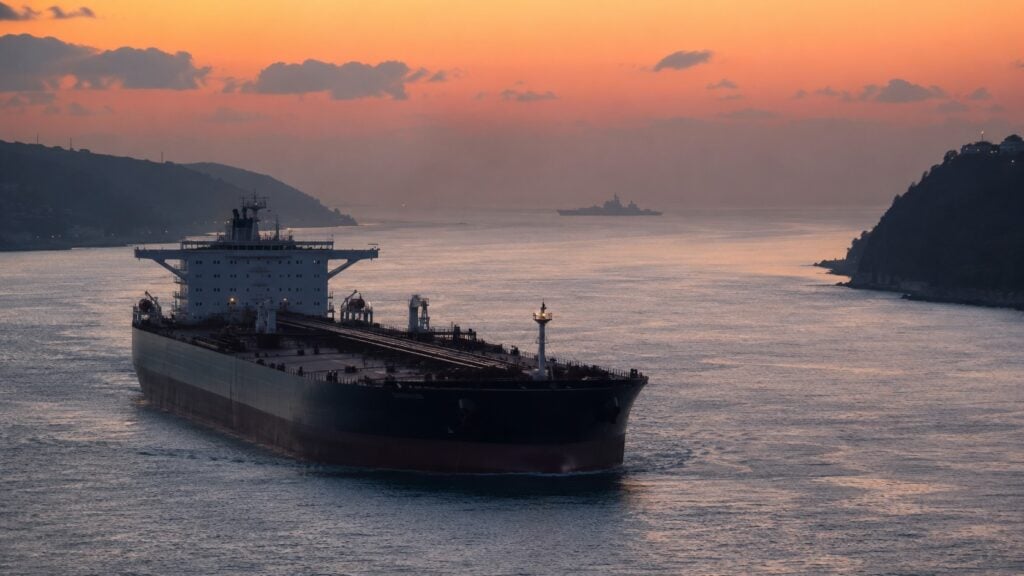
Trump also announced the U.S. will reinstate a naval blockade of Iranian ports, effective 4 p.m. Eastern on July 14, and will charge a 20 percent fee on cargo shipped through the Strait in exchange for what he called safe passage. Roughly one-fifth of the world’s oil moves through that waterway, which is why control of the Strait has become as important to this war as the strikes themselves.
Will the Hormuz Blockade Push Gas Prices Higher?
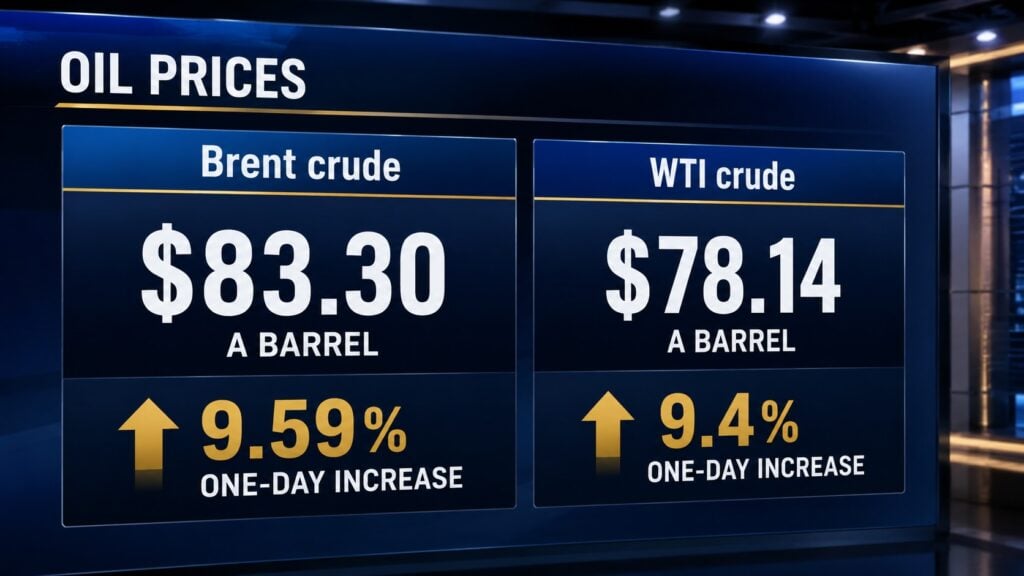
Oil prices reacted immediately this week. Brent crude jumped more than 9 percent to settle near $83 a barrel, its biggest one-day move in years. Price jumps like that show up at the pump within days. BNA has been tracking the this war’s impact on the fuel pump since gas prices first spiked earlier this year.
Does Trump Need Congress to Keep Fighting?
Here is the part getting less attention than the strikes themselves. Trump’s original War Powers notification for this war was filed back on March 2. Under the War Powers Resolution, that notification starts a 60-day clock for getting authorization from Congress, with a possible 30-day extension. That window already ran out months ago. The administration’s position is that the April ceasefire “terminated” hostilities, so the clock stopped, and July 10’s letter opens a brand new one.
Not everyone in Congress agrees that is how the law works. Republican Rep. Thomas Massie has said the war “never stopped” and accused the administration of gaming the deadline. Sen. Adam Schiff introduced a new war powers resolution the same day the letter went public.
The House and Senate already passed a symbolic measure last month calling for U.S. forces to leave the fight, which Trump dismissed as “meaningless.” Whether he actually needs a new vote from Congress to keep going is a live legal fight, not a settled one, and Roll Call’s reporting on the resolution lays out both readings of the law.
Is Trump’s Own Base Turning on the War?
This war began in February on the promise that it would run four to six weeks. That deadline passed long ago, and the split inside Trump’s coalition is not new. Podcast host Joe Rogan told listeners this week that “this war is not something anybody that’s conservative wanted.” Sen. Rand Paul, one of four Republicans who broke with Trump on last month’s war powers vote, said diplomacy “backed by strength is the right path forward.” Trump dismissed that kind of criticism back in March, telling journalist Rachael Bade that “MAGA is Trump” and that his critics do not speak for his coalition. That fight has simmered for months. This week’s letter did not start it, but it puts it back in front of the base.
None of that changes what happened this week. The letter is real. The blockade starts today. The 60-day clock argument is unresolved. What BNA readers are watching for now is the same thing they have watched since DOGE started: whether the guardrails on this kind of power still mean anything, or whether “limited and measured” becomes the label attached to whatever comes next.
Marcus Reed is a defense correspondent and national security journalist covering military policy, border enforcement, and the institutional decisions the mainstream press underreports.
Frequently Asked Questions
What did Trump’s letter to Congress actually say?
The letter told lawmakers that military action against Iran resumed on July 7. It also described the planned strikes as limited and defensive, and said no U.S. ground troops are involved.
Why did the ceasefire end?
Trump’s letter says Iran attacked commercial vessels in the Strait of Hormuz on July 6 and 7, which violated the memorandum of understanding signed in June.
Does Trump need Congress to approve this new action against Iran?
Whether Congress needs to approve this is legally disputed. The administration says the April ceasefire paused the legal clock, so a new 60-day window just opened. Some lawmakers say the war never legally stopped and the clock ran out months ago.
Will the resumed military action against Iran affect gas prices further?
Likely yes in the near term. Oil jumped more than 9 percent in a single day after the blockade announcement, and the Strait of Hormuz carries close to a fifth of the world’s oil supply.
Are U.S. ground troops involved?
Trump’s letter states ground forces are not involved in the current strikes.