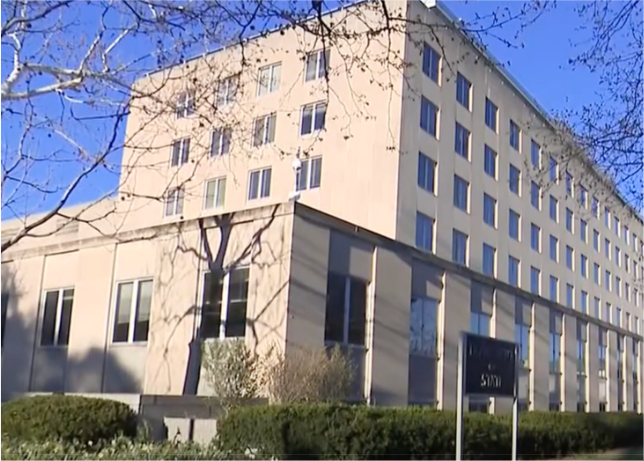

Image source: YouTube
The U.S. State Department said more than 6,000 Student visas were revoked for overstays, criminal offenses, and alleged support for terrorism. According to a Fox News report, officials cited roughly 4,000 revocations tied to assault, DUI, or burglary, and between 200 and 300 linked to “support for terrorism,” with added scrutiny of students involved in pro-Palestinian activism. As a result, many American universities are bracing for fallout as revoked student visas threaten to disrupt classes and research programs. Campus officials say sudden cancellations could derail degrees mid-semester, strand students abroad, and trigger costly legal disputes.
What The Numbers Mean For Campus And Law
The State Department told outlets the 6,000 figure reflects 2025 actions across categories: overstays, criminal encounters, and national-security flags. Meanwhile, officials emphasized ongoing checks, including social-media vetting and country-of-concern screening under recent directives. However, critics warn that linking activism to “support for terrorism” risks chilling speech and driving legal challenges.
Because revocation ends visa validity but not necessarily immediate removal, students must confirm SEVIS status with their designated school official. DHS guidance lists termination reasons and directs F-1 students to depart within set windows after termination; failure to do so can trigger unlawful presence bars. Therefore, institutions should push clear, written advisories.
Policy Basics: How Student Visas Get Revoked
SEVIS termination or status violations can follow unauthorized drops below full course load, unauthorized work, or overstays beyond the I-94 “Admit Until Date.” Additionally, arrest or certain charges can prompt revocation even before a conviction. Consequently, students should monitor I-94 records, keep enrollment current, and document any authorized reductions.
Travel adds risk when records show termination or when interviews pause. DHS advises against international travel until SEVIS returns to Active status; otherwise, reentry may fail. Moreover, campus offices note that a terminated record often requires immediate departure, with limited or no grace periods depending on category.
Protests, Scrutiny, And The 2025 Enforcement Climate
Fox News reports that students tied to pro-Palestinian protests drew heightened scrutiny, and that a senior official cited fundraising for Hamas among examples. Reuters similarly reports terrorism-support allegations among hundreds of cases but notes questions about underlying adjudications. Because wording matters, schools should separate peaceful protest policies from prohibited conduct training.
Looking ahead, universities will coordinate legal clinics, travel holds, and rapid-response checklists for international students. Meanwhile, students should keep copies of I-20s, maintain full-time status, confirm addresses in SEVIS, and use official channels to check case updates. Therefore, both sides can reduce avoidable revocations even as federal enforcement intensifies.
Should universities defend student speech while tightening compliance to protect Student visas, or should they support aggressive revocations tied to protests? Tell us what you think.