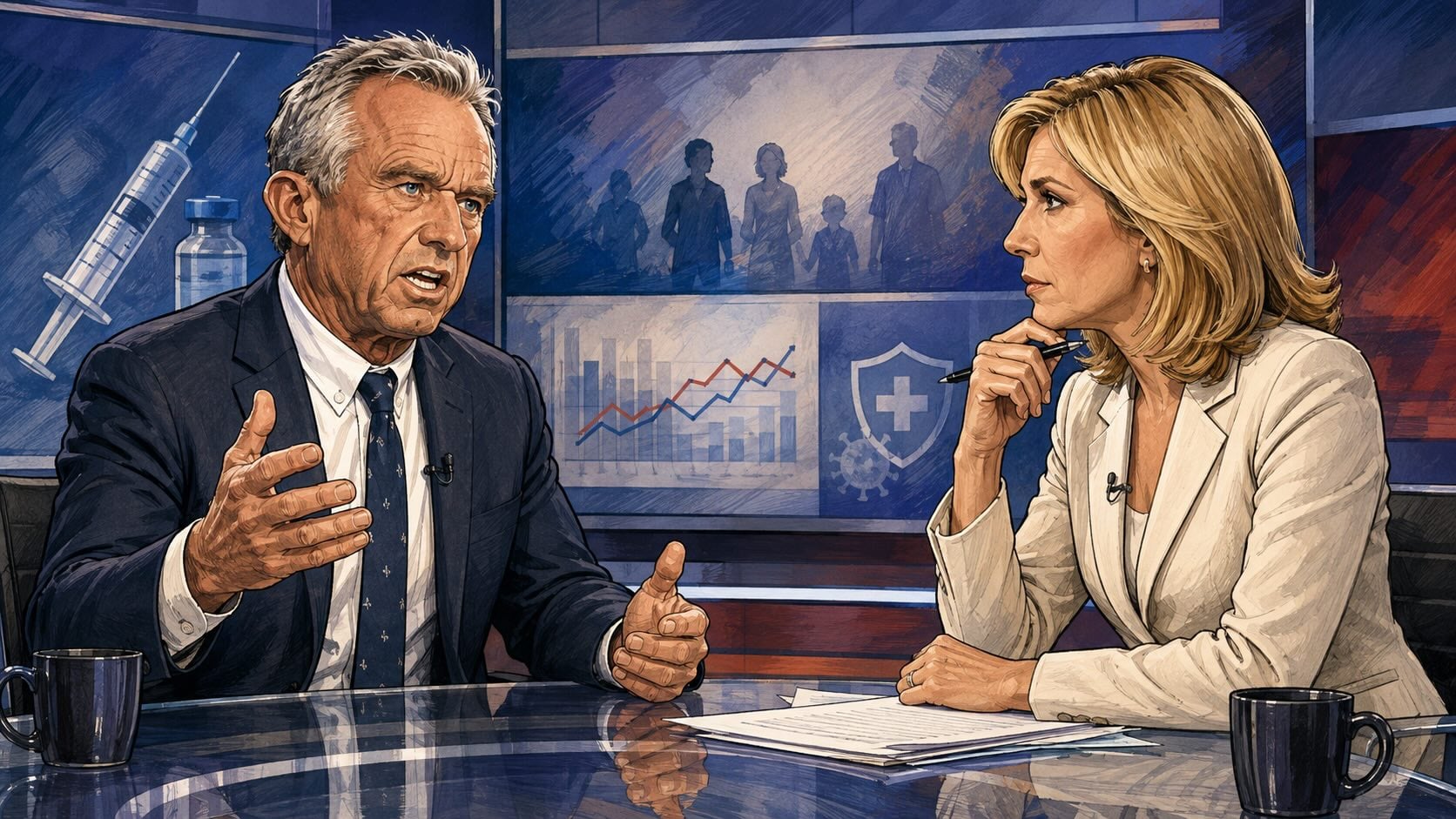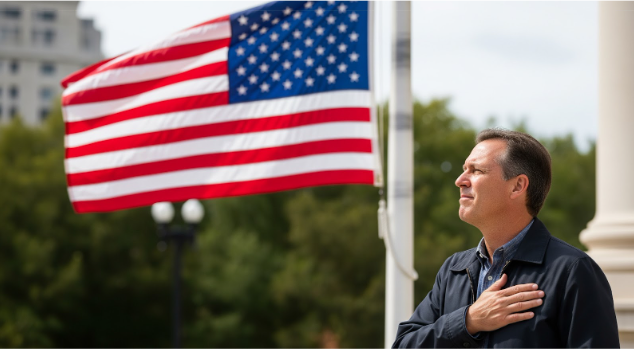

In the aftermath of conservative activist Charlie Kirk’s murder, hate speech has become the center of a fierce national debate. President Donald Trump and Attorney General Pam Bondi argue that hateful rhetoric fuels violence and should face stronger consequences. Their critics counter that even offensive and disturbing speech must remain protected under the First Amendment to preserve democratic debate. This conflict highlights the ongoing struggle to define the limits of free speech in America.
Statements from the administration revealed a growing willingness to blur those boundaries. Bondi initially vowed on a podcast to “target” anyone engaging in hate speech. After backlash, she clarified that her focus was on threats of violence, which the Supreme Court has long recognized as exceptions to the First Amendment. Still, her language stirred concerns that the government might punish citizens for speech deemed offensive. Trump added to the firestorm by describing a past libel settlement as proof of “hate speech” against him.
Before turning to the political consequences, it is necessary to consider how the law distinguishes between free expression and punishable speech.
How the Courts Define Hate Speech
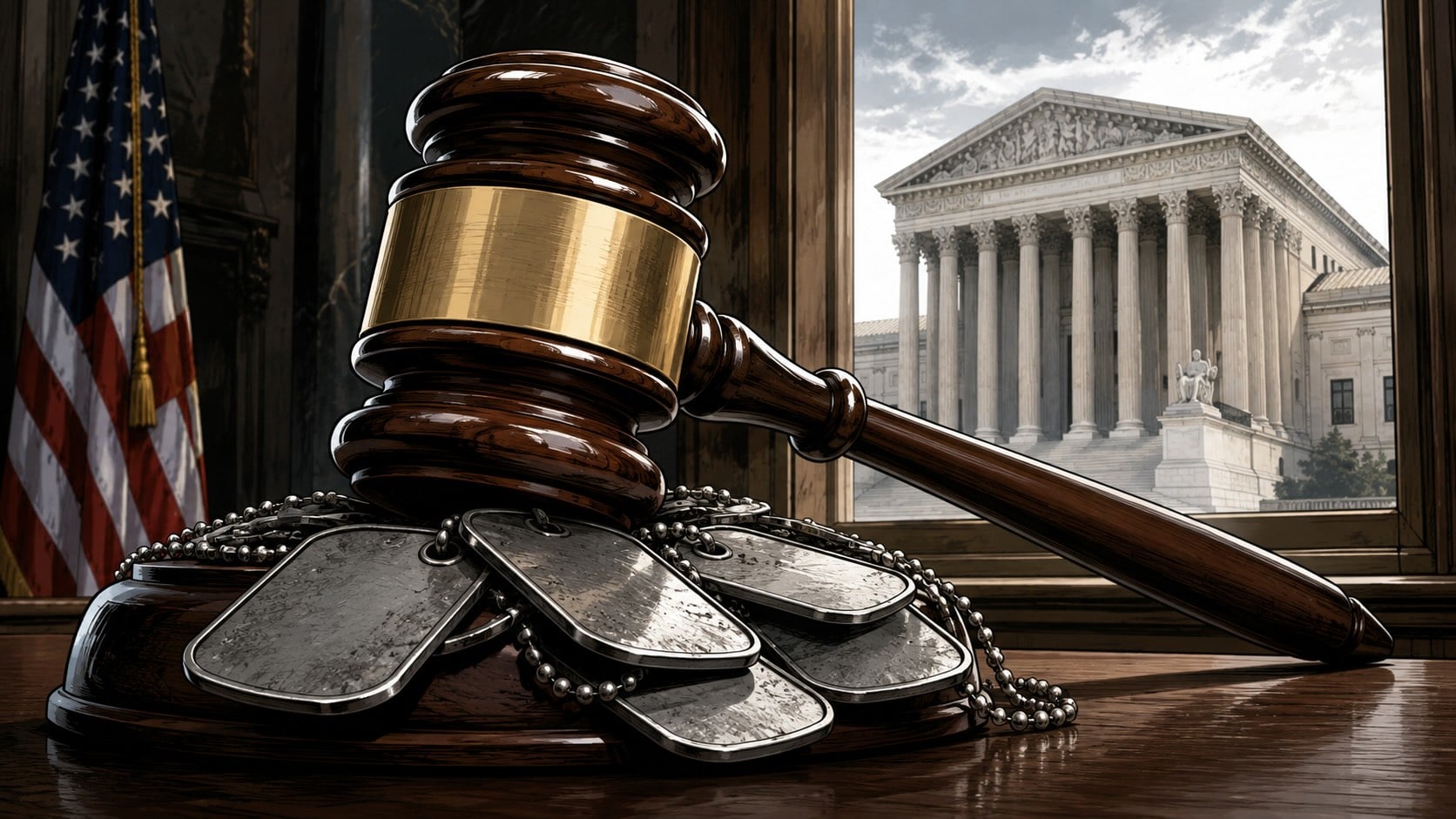
The U.S. Supreme Court has repeatedly rejected the idea that hate speech is a separate category unprotected by the First Amendment. In 2017, Justice Samuel Alito wrote that the government has no authority to suppress speech simply because it offends. Earlier rulings defended the rights of the American Nazi Party to march in Skokie and the Westboro Baptist Church to protest at military funerals, even though their messages inflicted deep pain. Chief Justice John Roberts explained that “speech is powerful” and can wound, but that power cannot justify censorship.
Exceptions exist only in narrow areas. Speech that incites imminent violence is unprotected, as defined in the 1969 Brandenburg case. Similarly, “true threats” of violence can be punished, though even here the Court recently insisted on proving intent or recklessness to avoid chilling lawful debate. These rulings show the strong constitutional shield that protects even hateful or offensive ideas.
Political Pushback and Public Concerns
Despite these precedents, calls to criminalize hate speech have grown louder. Bondi’s comments drew sharp rebuke from Justice Sonia Sotomayor, who warned that conflating offensive expression with criminal conduct undermines democratic freedoms. Speaking at New York Law School, she argued that America risks forgetting the difference between a president and a king. Her remarks underscored the fear that aggressive moves against speech, even when framed as protecting victims, could set dangerous precedents.
For many Americans, the question is no longer academic. Protests, social media clashes, and heated rhetoric create daily friction between free expression and public safety. Supporters of stronger restrictions argue that unchecked hate speech poisons public life and fuels division. Defenders of broad First Amendment protections insist that limiting speech opens the door to government overreach, silencing dissent and eroding liberty.
This clash is not likely to fade. As Trump presses forward with efforts to designate Antifa and pursue hate speech restrictions, and as justices and critics push back, citizens face difficult questions about what freedoms they are willing to risk. The balance between protecting people from harm and preserving open debate remains unsettled — and central to the future of American democracy.
Should America pass laws to criminalize hate speech? Tell us what you think.