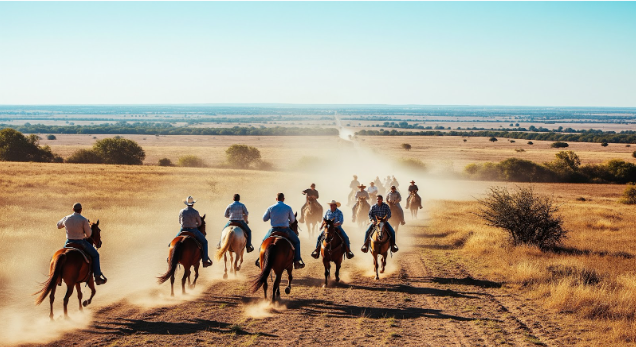

Source: to prevent a vote on a new congressional map designed to expand Republican power in Washington. More than 50 Democratic members of the Texas House traveled to Illinois on Sunday, depriving Republicans of the quorum needed to pass legislation during a special session called by Governor Greg Abbott.
The proposed map, unveiled by the Republican majority and backed by President Donald Trump, would create five additional Republican-leaning districts. This change could increase the GOP’s share of Texas’s 38 U.S. House seats from 25 to 30. Nationally, Republicans hold a narrow 219–212 majority in the House of Representatives. The redrawn districts would consolidate Democratic areas in cities such as Houston, Dallas, and Austin, while expanding Republican-leaning rural areas into those districts.
Why the New Map Benefits Republicans
The GOP proposal targets areas where Democrats currently hold competitive seats, including parts of the Rio Grande Valley and multiple Houston-area districts. In Austin, two Democratic-held districts would be combined into one, forcing incumbents to run against each other. In the Dallas area, Democratic Congresswoman Julie Johnson’s district would absorb Republican-leaning rural counties, making re-election more difficult.
Republicans argue that they are allowed to redraw maps for partisan advantage between the normal ten-year redistricting cycles. They also contend that the changes better reflect recent voting patterns. Critics say the plan dilutes minority voting strength, calling it an attack on Black and Hispanic representation in Congress.
If approved, the map could secure GOP control of additional U.S. House seats for years, strengthening the party’s position in the 2026 midterms and beyond. Trump carried all five of the proposed new districts by at least 10 percentage points in the last presidential election.
Texas Democrats’ Gameplan: Run out the Clock
By leaving Texas, Democrats are using one of the few tools available to block the plan: denying the two-thirds quorum required to pass legislation in the 150-member chamber. They have pledged to remain out of state until the special session ends later this month.
In a statement, Democratic caucus chair Gene Wu defended the move as necessary to oppose a “rigged system” that ignores their constituents. Supporters in the national party have praised the walkout as an act of political courage. Illinois Governor JB Pritzker has promised to protect the visiting lawmakers from any attempts to force their return.
This is not the first time Texas Democrats have used this tactic. In 2003, they fled to Oklahoma in an unsuccessful attempt to block a Republican redistricting plan. In 2021, they left for Washington, D.C., to oppose new state election rules, but the legislation passed after they returned.
Political and Legal Fallout
Governor Abbott has threatened to remove absent Democrats from office if they do not return. He cited a 2021 opinion from Attorney General Ken Paxton suggesting courts could allow the governor to replace lawmakers who forfeit their seats by leaving to deny a quorum. Abbott also warned that members could face felony charges for raising funds to pay the $500 daily fines imposed under House rules for unexcused absences.
Paxton has said he would use “every tool” to bring the Democrats back to the Capitol. Republican leaders maintain that the session is also meant to address other urgent issues, including disaster relief for recent flooding and restrictions on cannabis products. Democrats counter that redistricting should not take precedence over responding to the state’s ongoing recovery needs.
Mid-cycle redistricting is rare, typically occurring only after a U.S. Census. Opponents say this year’s plan is an overtly partisan move that undermines public trust in fair elections. Proponents see it as a legitimate exercise of legislative power to secure long-term political advantage.
Whether the Democrats’ strategy will succeed remains uncertain. If they can remain out of Texas until the session ends, the map will not pass this round. However, Republicans could attempt to push it through in a future session once they regain the quorum needed to vote.
Do you agree with the Texas Democrats’ decision to deny a quorum to block the proposed congressional map? Tell us what you think.