- Donald Trump has again advocated for profiling of Muslims inside the United States.
- He suggested monitoring where they live, where they work, where they pray, to gather as much information on possible radicalization.
- Many Republicans disagree with this form of monitoring based on religion and race.
- However, in a poll forty-nine percent of people who participated said they agreed with the surviellance tactics.
Donald Trump suggested Sunday that it would be in the United States best interest to start profiling Muslims that are inside the country.
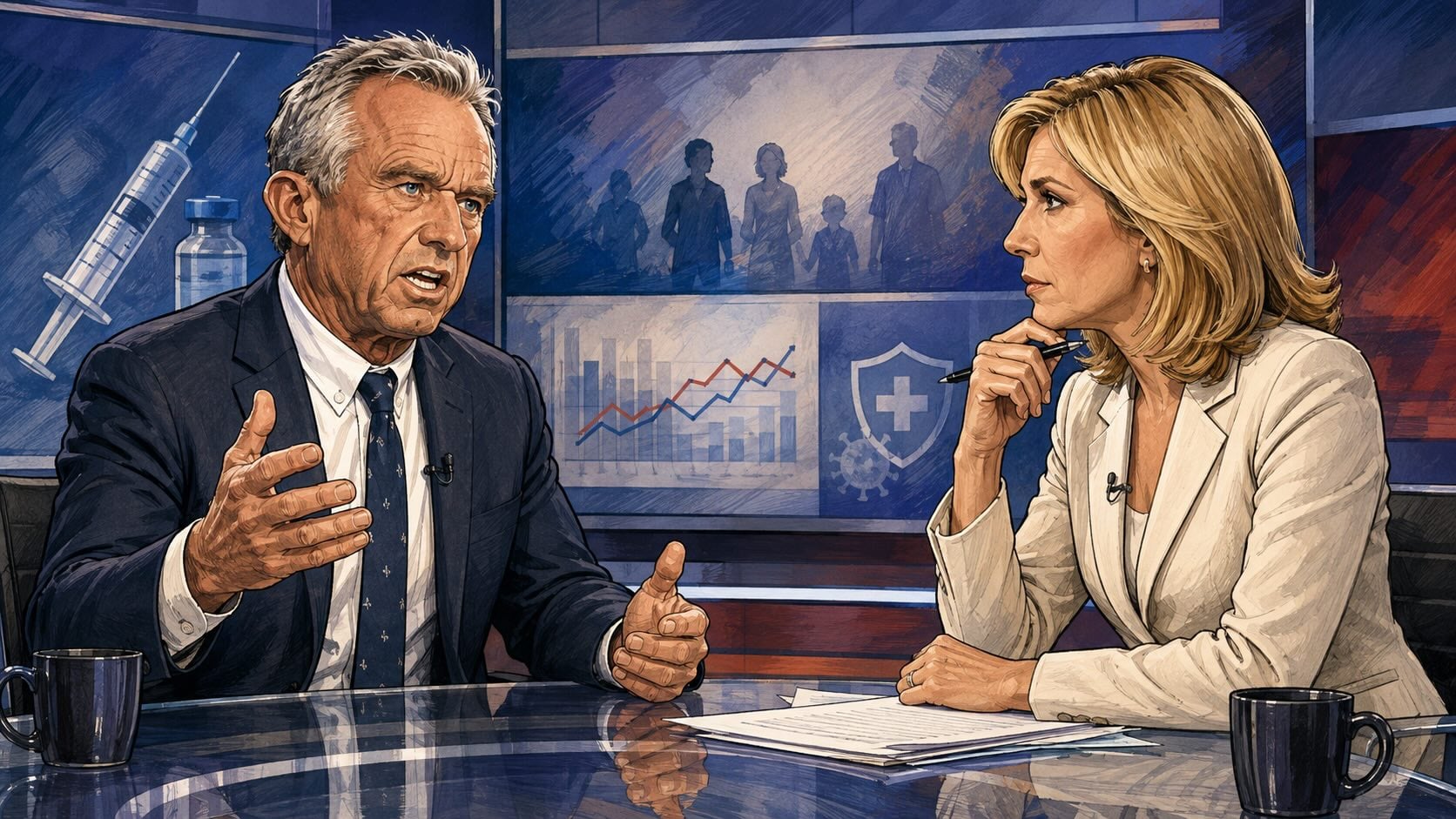
Trump went on CBS’s Face The Nation and said, “We really need to look at profiling…it’s not the worst thing to do.” He also added that he “hates the concept of profiling, but we have to use common sense.”
This approach to fighting terrorism follows his ban of Muslims from entering the United States. Since the attack in Orlando Trump has only become more assertive with his views on countering terrorism. After the attack, he came charging out against Muslims saying that they know where terrorists are and are refusing to tell the authorities of their location. Not only did he point the finger at Muslims, he also added any country that has a history of terrorism.
Trump also said that the government should investigate mosques that are inside the United States, in the vein of the New York Police Departments Demographics Unit. The unit spied on mosques and Muslims around the city, and gathered information like where they lived, shopped, worked and played. They also were known to put undercover officers in mosques so they could monitor the sermons.
They quickly abandoned the program after complaints and law suits.
Although Trump’s policies have always relatively consisted of restricted immigration and a careful eye on Muslims, he is continuously getting disapproval from other Republicans including the Speaker of the House Paul Ryan.
However, forty-nine percent of people who took part in a poll by AP-GfK said they approve of surveillance on Muslims to gain information on possible radicalization. Forty-seven percent said they disapprove.
Many see this form of profiling, whether for the greater good or not, to be unconstitutional and discrimination against race and religion.
Whatever you see it is, the fact of the matter is, we need to get ahead of these attacks of terror. In whatever manner possible.