
Image Source: YouTube
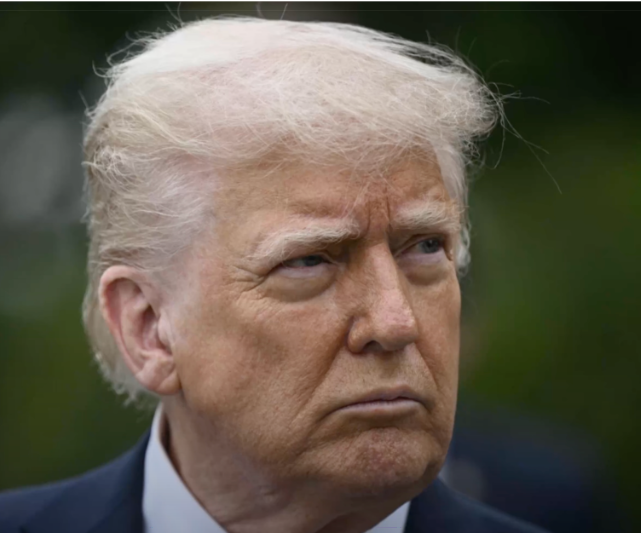
President Donald Trump announced Monday that his administration would impose a 100% tariff on all foreign-made movies entering the United States. The move, which extends his broader protectionist trade agenda into the entertainment industry, could upend the global structure of Hollywood’s film business and threaten long-standing partnerships with international producers.
A Tariff That Reaches Beyond Traditional Trade Policy
Trump’s proposed tariff on foreign-made movies echoes earlier measures targeting cars, steel, and consumer goods. This time, however, the focus falls on cultural products rather than manufacturing. “We’re not going to let American stories be replaced by imports,” Trump said during a White House press briefing. “If studios want to sell in America, they need to film in America.”
The 100% tariff, if enacted, would apply to all feature films produced outside the United States and distributed in domestic theaters or through streaming platforms. Industry analysts say the measure could have sweeping effects on global co-productions and international releases. Many American studios rely heavily on overseas partners for financing, special effects, and filming locations that lower production costs.
Hollywood Faces Trade Shock
The announcement sent shockwaves through Hollywood, where several studios have spent years building joint ventures with production companies in Canada, the United Kingdom, and Asia. These collaborations are now at risk if the tariffs are implemented. Executives from major studios warned that the policy could reduce the number of international projects and limit creative exchange.
“Global cooperation is at the heart of filmmaking today,” said one senior producer at a major studio who requested anonymity. “A 100% tariff would not only inflate costs but also isolate the U.S. from the artistic and financial benefits of collaboration.”
Foreign film distributors also voiced alarm. Representatives from European and Asian film councils said the measure could effectively shut out foreign titles from American theaters, crippling smaller independent studios that rely on U.S. audiences. Some compared the proposed tariff to cultural protectionism of the past, when governments sought to limit foreign influence through restrictions on imported media.
A Blow to the Global Film Economy
The global film industry generates hundreds of billions of dollars annually, and international markets now account for more than two-thirds of major studios’ revenue. The 100% tariff on foreign-made movies would disrupt that flow by forcing companies to rethink distribution strategies. Analysts warned that retaliatory measures could follow, with other countries imposing tariffs or restrictions on American films in response.
Economists noted that such a trade fight could hit the very industry the policy aims to protect. “Hollywood depends on global access,” said Daniel Ives, an entertainment sector analyst. “If foreign governments respond with matching tariffs, U.S. studios could lose billions in box-office revenue abroad.”
Meanwhile, Trump supporters praised the plan as a bold attempt to restore American dominance in film production. “We need to bring jobs back to U.S. soil,” said former trade adviser Peter Navarro. “This tariff makes that clear.”
Cultural Nationalism Meets Global Commerce
Trump’s decision highlights a broader trend of linking cultural identity with economic protectionism. While his tariffs on steel, cars, and electronics were designed to support domestic industries, this latest policy pushes nationalism into the cultural realm. Critics argue that such moves risk stifling creativity and alienating foreign partners.
“Cinema is one of America’s strongest exports,” said media historian Susan Whitmore. “Turning inward could damage both the economy and the country’s soft power.” Despite strong opposition from Hollywood, the administration has not ruled out formal implementation. Trade officials said details of the policy will be released later this year, pending review by the Commerce Department and the U.S. Trade Representative’s office.
Should the U.S. impose a 100% tariff on foreign-made movies to boost domestic film production? Tell us what you think.