
President Donald Trump’s 10% tariff on nearly every import into the United States expires by law at 12:01 a.m. on July 24. However, the president cannot extend it any more. Only Congress can do that, and no bill to do it exists.
Before you celebrate, know this: the U.S. Trade Representative’s office already has the next tariff written, investigated, and sitting on USTR Jamieson Greer’s desk with a finalization deadline landing today, July 20. It targets up to 46 countries. It carries no expiration date at all.
What’s actually ending this July 24
The 10% import tariff is called a Section 122 tariff, named for the 1974 trade law that authorizes it. President Trump signed it in February, hours after the Supreme Court struck down his broader tariff power under a different law. Section 122 comes with a hard limit built into the statute: 150 days, and not one day more, unless Congress votes to extend it. That clock runs out July 24.
The U.S. Court of International Trade ruled Section 122 unlawful on May 7, 2026. Collection has continued only because that ruling is stayed while the case is on appeal, and the government’s opening brief is due July 21, one day before the tariff expires anyway.
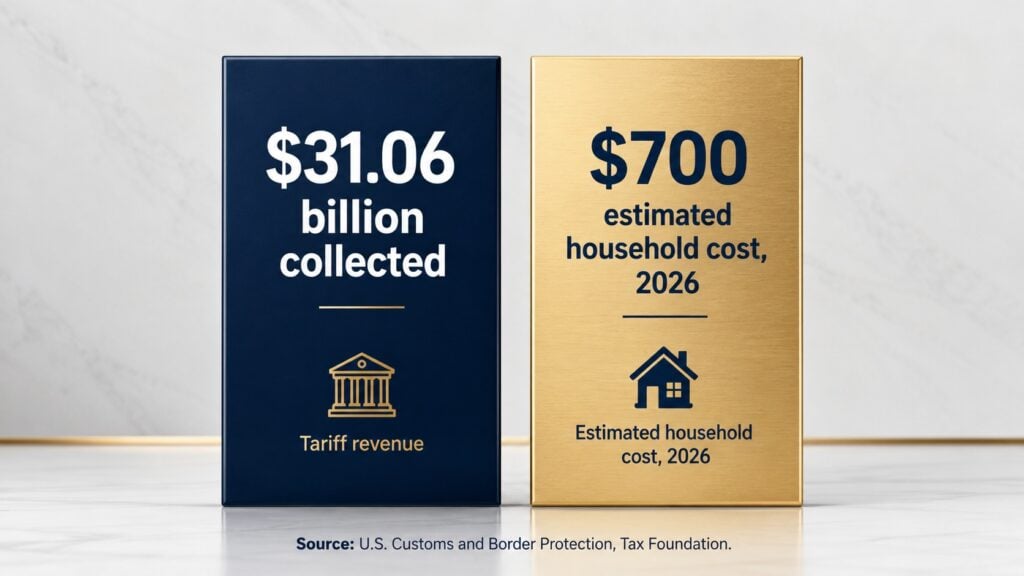
Since February, this tariff has pulled in $31.06 billion from U.S. importers, according to Customs and Border Protection data. The current tariff has generated $31.06 billion since February. That comes on top of $3 billion a day in interest the government already pays to service the national debt.
A replacement tariff is already lined up to replace the 10% import tariff
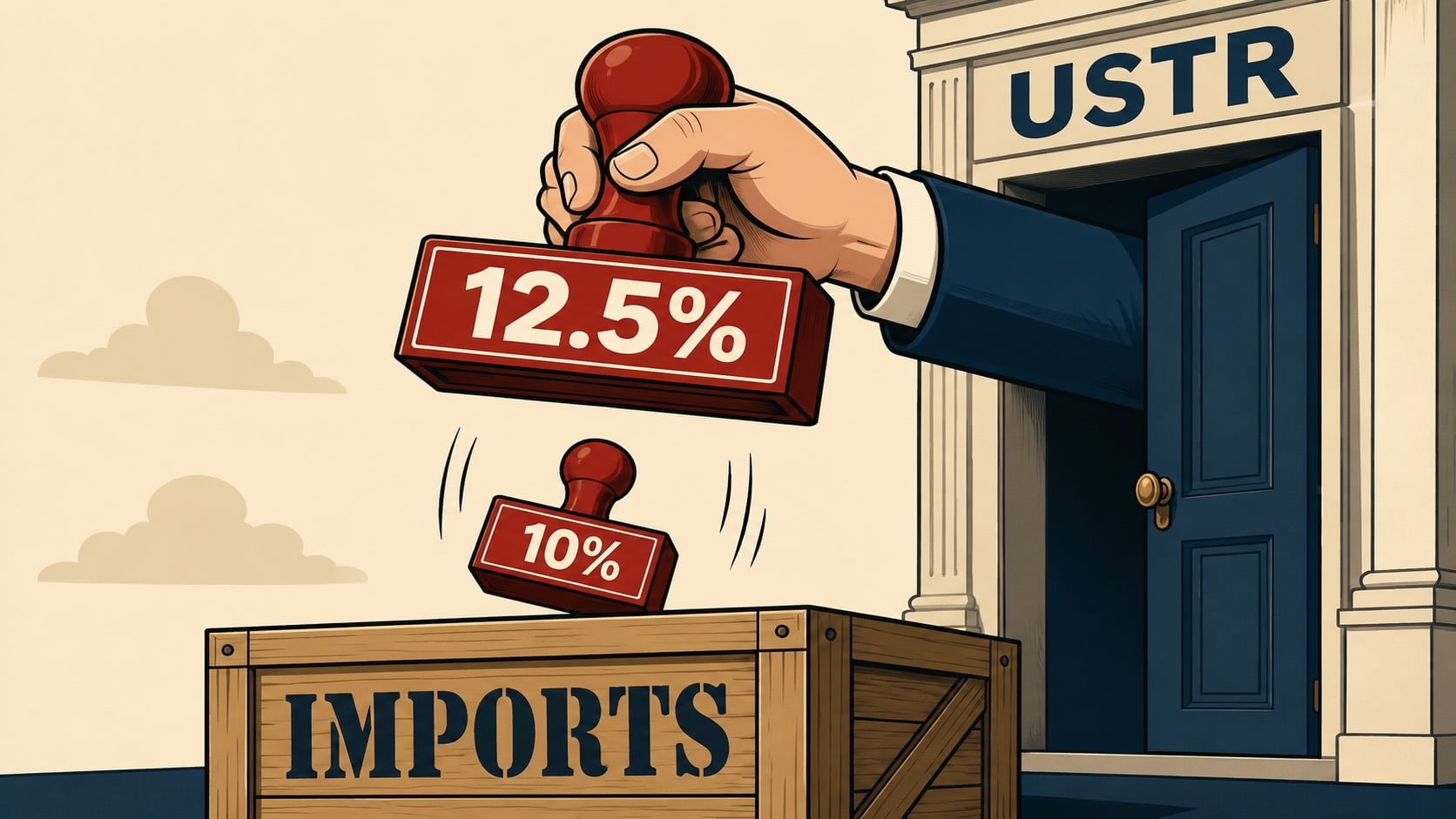
While Section 122 winds down, USTR has been running a separate investigation into 60 countries over forced-labor practices in their supply chains. That investigation wrapped up in June. USTR has proposed new levies of 10% on countries without a ban on forced-labor imports, and 12.5% on countries with a ban they don’t enforce. The proposal covers 46 countries, including China, Vietnam, India, Japan and South Korea.
Unlike the tariff expiring July 24, this one has no built-in end date. Congress isn’t part of the decision either way. This is executive branch to executive branch: one office’s deadline running out, another office’s replacement running in.
What new 10% import tariff will cost you

The Tax Foundation estimates tariffs added $1,000 to the average American household’s costs in 2025, and projects $700 in added costs for 2026, even accounting for this expiration. This week’s inflation report already showed grocery prices climbing even as gas prices dipped, and that dip is reversing. Add rising grocery and electric bills and your gas refund disappearing, and a tariff “expiration” that swaps into a same-size tax isn’t relief. It’s a rate swap.
If you’re within striking distance of retirement, that swap lands on top of Social Security’s 2032 shortfall and a program already under pressure from restructuring. The June jobs report showed 720,000 people leaving the workforce entirely. None of these numbers move in your favor if the tariff swap goes through quietly.
A note on why this isn’t a Congress story
Some coverage frames the expiration as a fight with Congress. It isn’t. Congress has the sole legal authority to extend Section 122, and no extension bill is even pending. The story is that the White House and USTR built the next tariff before the current one expired. The sunset date on your calendar was never going to mean an actual tax cut.
Frequently Asked Questions
Does President Trump have the power to extend the 10% tariff past July 24?
No. Section 122 caps any single use at 150 days by statute. Only Congress can extend it, and no extension bill is currently moving.
Will prices go down with the expiration of the 10% import tariff after July 24?
Not for long, if at all. USTR has a replacement tariff of 10% to 12.5% on up to 46 countries ready to take effect around the same date, with no built-in expiration.
How much has the current 10% import tariff already cost?
The current 10% import tariff has generated $31.06 billion in revenue since February, according to Customs and Border Protection.
What’s the difference between the current 10% import tariff and the next one?
The current tariff, Section 122, expires automatically by law. The proposed replacement, Section 301, has no expiration date and can only be changed by USTR or the courts.
Is the current 10% tariff facing any legal challenge?
Yes. The U.S. Court of International Trade ruled it unlawful in May 2026, but the ruling is stayed pending appeal, so collection has continued.